


As an Amazon Associate, Sumizeit earns from qualifying purchases.
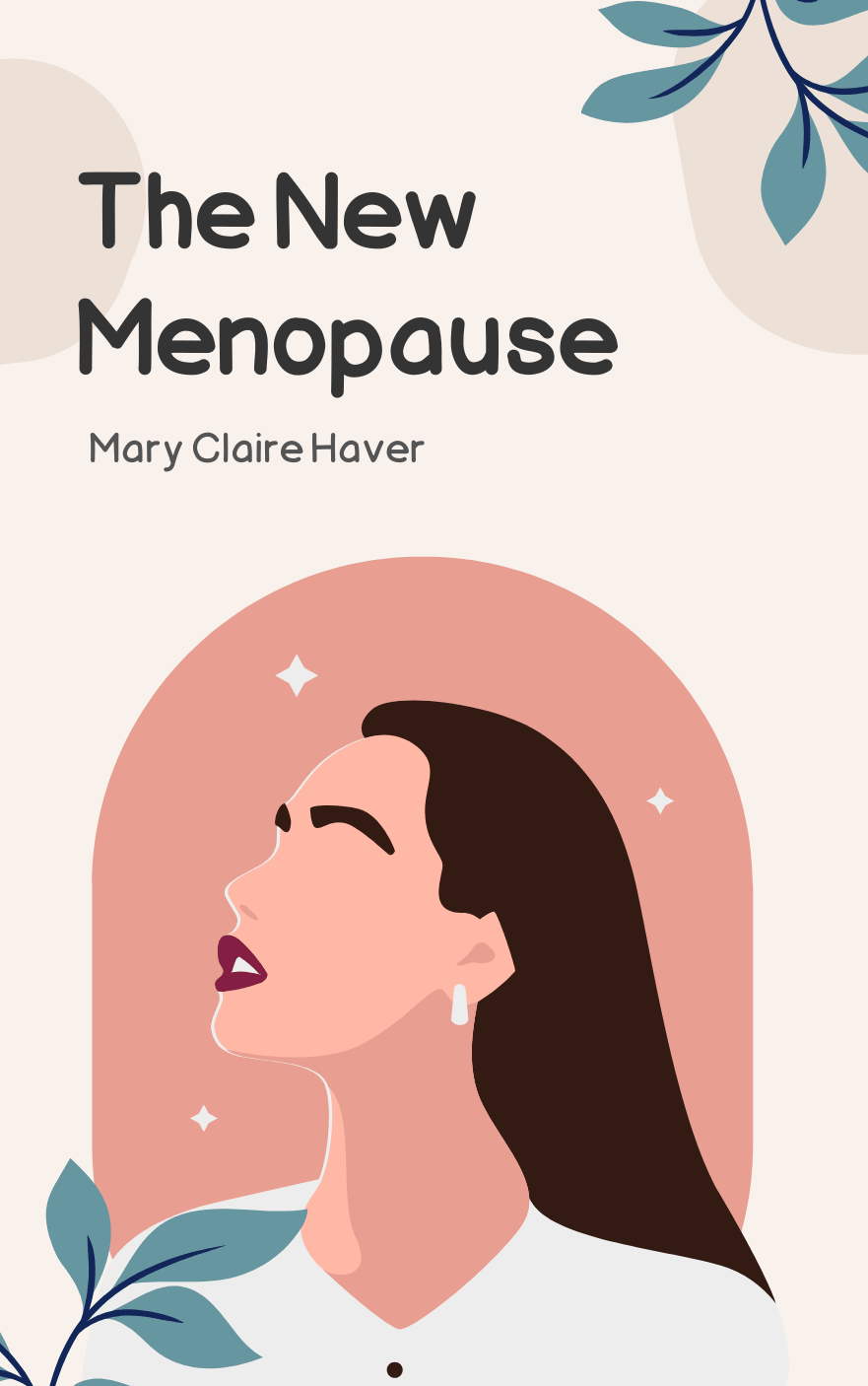
The New Menopause Book Summary
This The New Menopause Book Summary covers the key ideas, lessons, and takeaways in about 20 minutes.
The most empowering message of the book is that women have more control than they realize. Through education, self-advocacy, and a combination of medical and lifestyle strategies, it is possible to navigate menopause with confidence and strength. Rather than viewing it as a decline, Haver reframes menopause as a new phase of life—one that can be healthy, vibrant, and fulfilling when approached with the right knowledge and tools.
Helps with these goals
Want the complete 20-minute summary?
- Full structured summary
- Video Summary
- Podcast Summary
- Audio summary
- Key takeaways
- Exercises
- Quiz
- Highlights and notes
- Ask the book with AI
What is in the The New Menopause book summary?
Below is a preview of Sumizeit’s expert-written summary of The New Menopause by Mary Claire Haver. The full summary covers the book’s key ideas in text, audio, and video.
In The New Menopause, Mary Claire Haver challenges the long-standing confusion and neglect surrounding menopause. She argues that this stage of life has historically been minimized, misunderstood, and often dismissed—both socially and medically. For many women, this lack of understanding translates into years of unmanaged symptoms, frustration, and uncertainty.
A central issue is the gap in medical knowledge. Many healthcare professionals receive minimal training on menopause, which leads to frequent misinterpretation of symptoms. Instead of recognizing hormonal changes as the root cause, doctors may attribute symptoms like anxiety, fatigue, or brain fog to stress, aging, or mental health conditions.
This misunderstanding is not accidental—it is tied to broader gender bias in healthcare. Women’s concerns have historically been taken less seriously, and menopause is a clear example of this pattern. Even though a large percentage of women seek medical help for menopausal symptoms, many leave without clear answers or effective treatment plans.
Haver’s message is clear: menopause is not a minor phase or a purely emotional experience. It is a major biological transition that deserves the same attention, research, and care as any other health condition.
The Biological Journey: What Actually Happens in the Body
Menopause is not a single moment—it is a gradual transition that unfolds over several years. Haver breaks this process into three main phases: the lead-up, the defining milestone, and the years that follow.
The first stage begins years before periods stop. During this time, hormone levels—especially estrogen and progesterone—become unpredictable. This instability triggers a wide range of symptoms.
Women may notice irregular cycles, mood changes, hot flashes, or sleep disturbances. Some also experience increased anxiety, heart palpitations, or difficulty concentrating.
This stage can last anywhere from a couple of years to nearly a decade. On average, it spans about four years, but the experience varies widely from person to person.
One important insight is that symptoms often appear long before menopause is officially diagnosed. Many women don’t realize they are in this phase because the signs are subtle or inconsistent.
Menopause itself is defined as the point when a woman has gone 12 consecutive months without a menstrual period. This marks the end of reproductive function.
At this stage, estrogen production drops significantly. This hormonal shift has widespread effects on the body. One of the most significant changes is the impact on bone health—bone breakdown begins to outpace bone rebuilding, increasing the risk of osteoporosis.
Other systems are affected as well, including cardiovascular health, metabolism, and brain function.
The final phase includes all the years after menopause. Even though periods have stopped, symptoms may continue—sometimes for nearly a decade.
Women may still experience hot flashes, sleep issues, fatigue, and changes in mood. Hormone levels stabilize at lower levels, but the body continues adapting to this new baseline.
Importantly, this stage is not simply a continuation of symptoms—it is a long-term shift that can influence overall health for decades.
Why Timing and Experience Differ Between Women
Menopause does not follow a universal timeline.
Want the complete 20-minute summary?
- Full structured summary
- Video Summary
- Podcast Summary
- Audio summary
- Key takeaways
- Exercises
- Quiz
- Highlights and notes
- Ask the book with AI
Who should read The New Menopause?
This book is essential for women navigating perimenopause, menopause, or postmenopause who feel confused or unsupported by their healthcare providers. It's also valuable for partners, family members, and healthcare professionals who want to better understand this major life transition. Anyone frustrated by vague medical guidance or searching for evidence-based strategies to manage symptoms will find practical clarity here.
Why does The New Menopause matter?
Menopause affects over a billion women worldwide, yet it remains poorly understood in medicine and society—leading to years of misdiagnosed symptoms and unnecessary suffering. The New Menopause by Mary Claire Haver addresses a critical gap in healthcare knowledge by revealing how gender bias and lack of medical training have left women without proper support during one of life's most significant biological transitions. Understanding menopause as a legitimate health condition rather than an emotional experience is essential for accessing appropriate care and reclaiming quality of life during this stage.
What are the key themes in The New Menopause?
- Menopause as a major biological transition deserving serious medical attention
- Gender bias and knowledge gaps in healthcare systems
- The three-phase timeline of menopause: early transition, defining moment, and post-menopause
- Personalized hormone therapy decisions based on individual risk factors
- Integrated lifestyle strategies including nutrition, exercise, and stress management
- Patient empowerment through informed advocacy and symptom tracking
- Long-term health protection beyond symptom relief
What are the key lessons from the The New Menopause book summary?
Menopause is a multi-year process, not a single event
Menopause unfolds gradually over potentially a decade or more, with distinct phases that each present different challenges. Understanding this timeline helps women recognize symptoms earlier and seek appropriate care.
Symptoms often appear years before official diagnosis
The perimenopausal phase—when hormones become unpredictable—can last 2-10 years before the 12-month marker that officially defines menopause. Many women don't realize they're in this phase because signs are subtle or inconsistent.
Genetics play a significant role in menopause timing
Women typically experience menopause around the same age as their mothers or close relatives. Recognizing this family pattern can help predict your own trajectory and prepare accordingly.
Gender bias in medicine directly affects menopause care
Healthcare providers receive minimal training on menopause, leading to symptoms being misattributed to stress, aging, or mental health rather than hormonal changes. Recognizing this systemic issue empowers women to advocate for better care.
Hormone therapy decisions are deeply personal and complex
Hormone therapy is not universally beneficial or harmful—outcomes depend on hormone type, dosage, delivery method, timing, and individual health history. The risks and benefits must be carefully evaluated with an informed healthcare provider.
Estrogen decline affects multiple body systems
Dropping estrogen impacts bone health, cardiovascular function, metabolism, and brain function. A comprehensive approach addresses these interconnected changes rather than treating symptoms in isolation.
Symptom tracking provides crucial diagnostic information
Detailed records of mood changes, sleep patterns, hot flashes, and other symptoms give healthcare providers essential data for accurate diagnosis and personalized treatment planning.
Whole-food nutrition reduces inflammation and manages symptoms
A diet rich in whole foods, fiber, and omega-3 fatty acids supports metabolic health and reduces inflammation, directly improving both symptom severity and long-term disease prevention.
Strength training becomes critical for bone and muscle preservation
As estrogen levels drop, bone density and muscle mass decline naturally. Resistance training actively counteracts this process and protects long-term skeletal health.
Finding a knowledgeable menopause specialist makes a measurable difference
Healthcare providers vary widely in menopause expertise. Actively seeking specialists experienced in menopause care significantly improves the quality of diagnosis and treatment options available.
Sleep disturbances extend well beyond the menopausal years
Sleep issues may persist for nearly a decade after the final menstrual period. Addressing sleep through consistent routines and relaxation practices yields long-term benefits.
Surgical menopause creates more intense symptoms than natural menopause
When ovaries are surgically removed, hormones drop abruptly rather than gradually, triggering more severe symptoms that typically require specialized care and attention.
Exercise improves mood, energy, and cardiovascular health simultaneously
Physical activity addresses multiple menopause challenges at once—boosting mental health, improving sleep quality, enhancing energy, and protecting heart health during a vulnerable life stage.
Stress management techniques directly calm the nervous system
Practices like deep breathing, meditation, and mindfulness reduce anxiety and can alleviate some physical symptoms triggered by an overactive stress response during menopause.
Social connection reduces isolation and improves emotional resilience
Support networks—whether in-person or online—provide validation, shared knowledge, and emotional comfort that measurably improve well-being during this vulnerable transition.
Menopause is not inevitable decline but a phase requiring proactive management
Many struggles women face during menopause result from outdated beliefs and lack of awareness rather than being inevitable. Informed, proactive strategies enable thriving, not just surviving.
Multiple lifestyle factors influence menopause onset and experience
Beyond genetics, factors like diet, exercise, reproductive history, and overall health significantly influence when menopause begins and how intensely symptoms manifest.
A holistic approach combining multiple strategies works better than single solutions
No single treatment addresses menopause comprehensively. Success comes from integrating medical care, nutrition, exercise, stress management, and social support.
Informed questioning during medical appointments improves care quality
Women who ask specific questions about treatment options, individualized risks, and long-term health impacts receive more tailored, appropriate care than passive patients.
Understanding family medical history informs personalized treatment decisions
Knowing your family's health patterns—including menopause timing and chronic disease prevalence—helps healthcare providers assess your individual risk factors and recommend appropriate preventive strategies.
Want the complete 20-minute summary?
- Full structured summary
- Video Summary
- Podcast Summary
- Audio summary
- Key takeaways
- Exercises
- Quiz
- Highlights and notes
- Ask the book with AI
How can you apply ideas from The New Menopause?
- Track detailed symptom records (mood, sleep, hot flashes, energy levels) for 2-3 months before medical appointments to provide concrete data for diagnosis
- Research and seek out board-certified menopause specialists or obstetrician-gynecologists with specific menopause experience rather than settling for providers unfamiliar with this transition
- Transition to a whole-food diet emphasizing fiber, omega-3 fatty acids, lean proteins, and vegetables while reducing processed foods and added sugars
- Establish a strength-training routine 2-3 times weekly combined with aerobic exercise to protect bone density and cardiovascular health during hormonal decline
- Create a consistent sleep schedule and relaxation bedtime routine using meditation, deep breathing, or mindfulness practices to manage sleep disturbances
- Join or start a menopause support group—online or in-person—to connect with others navigating similar experiences and share practical coping strategies
- Prepare a list of specific questions for your healthcare provider about all available treatment options, personalized risk factors, and long-term health implications before appointments
What common mistakes do readers make with The New Menopause?
- Dismissing early symptoms as stress or aging rather than recognizing them as signs of hormonal transition, delaying diagnosis by years
- Choosing a healthcare provider without verifying their specific menopause expertise, resulting in misdiagnosed symptoms and ineffective treatment plans
- Making hormone therapy decisions based solely on fear from outdated studies rather than evaluating personalized benefits and risks with current evidence
- Neglecting exercise and nutrition during menopause when these lifestyle factors become even more critical for managing symptoms and protecting long-term health
- Isolating during menopause instead of seeking social connection, which amplifies emotional distress and reduces access to practical support and validation
Sumizeit Exercises Apply what you've learned
Turn ideas from The New Menopause into action with a short guided reflection: identify the biggest takeaway, connect it to your life, and commit to one step you can take in the next 24 hours.
What is the expert analysis of The New Menopause?
Overview
The New Menopause by Mary Claire Haver emerges as a pivotal contribution to contemporary women’s health literature. Authored by a board-certified obstetrician and gynecologist with specialized expertise in menopause care, the book addresses a critical and historically neglected phase of female biology. Haver’s clinical experience and advocacy position her as a credible and authoritative voice, aiming to dismantle pervasive misconceptions and systemic biases that have long marginalized menopause within both medical and social contexts. The book’s significance lies in its comprehensive and nuanced exploration of menopause as a complex biological transition, reframing it from a stigmatized condition to a vital area deserving rigorous attention and personalized care.
Core Thesis
Haver’s central argument is that menopause should no longer be trivialized or misunderstood as merely an emotional or minor life phase. Instead, it must be recognized as a profound, multi-stage biological transition with significant implications for women’s physical and mental health. The author contends that the historical neglect of menopause—rooted in gender bias and insufficient medical training—has led to widespread misdiagnosis and inadequate treatment. By illuminating the physiological realities of menopause and advocating for individualized, evidence-based approaches, including hormone therapy and lifestyle interventions, Haver asserts that women can regain agency over their health and experience this life stage with empowerment rather than resignation.
Strengths
- Comprehensive Biological Framework: The book excels in delineating menopause as a phased process—early transition, defining moment, and post-menopause—providing readers with a clear, scientifically grounded understanding of hormonal and systemic changes.
- Integration of Medical and Lifestyle Perspectives: Haver skillfully bridges clinical insights with practical advice on nutrition, exercise, stress management, and social support, promoting a holistic model of care.
- Nuanced Discussion of Hormone Therapy: The balanced treatment of hormone replacement therapy, acknowledging both its benefits and controversies, reflects a sophisticated grasp of evolving research and individualized patient care.
- Empowerment through Self-Advocacy: Encouraging women to become active participants in their healthcare, including finding knowledgeable providers and asking informed questions, is a vital contribution to patient-centered medicine.
- Addressing Gender Bias in Medicine: The book’s critique of systemic neglect and bias enriches the discourse on women’s health disparities and calls for structural change.
Critiques & Counterarguments
- Potential Overemphasis on Medicalization: While the book advocates for personalized hormone therapy, some critics might argue it risks reinforcing a medicalized view of menopause that could overshadow natural variability and non-pharmacological approaches favored by alternative health paradigms.
- Limited Engagement with Intersectionality: The analysis could be deepened by addressing how race, socioeconomic status, and cultural background influence menopausal experiences and access to care, an area increasingly emphasized in contemporary feminist and public health scholarship.
- Contestation of Hormone Therapy Safety: Despite nuanced discussion, some epidemiological studies continue to highlight risks associated with hormone replacement therapy, particularly in older populations or those with specific risk factors, suggesting that the safety profile may be more complex than presented.
- Variability in Symptomatology: The book’s framework might underplay the heterogeneity of menopausal symptoms, which some research attributes to psychosocial factors and environmental influences, challenging a primarily biological interpretation.
- Emerging Research on Non-Hormonal Treatments: Recent advances in non-hormonal pharmacological and behavioral interventions receive less attention, potentially limiting the scope of therapeutic options discussed.
Who Should Read This
The New Menopause is essential reading for healthcare professionals seeking to deepen their understanding of menopause beyond conventional paradigms, especially those in gynecology, endocrinology, and primary care. It also serves as a valuable resource for women approaching or experiencing menopause who desire an informed, empowering perspective on managing their health. Additionally, scholars and advocates interested in gender bias in medicine and women’s health policy will find Haver’s insights compelling. The book’s accessible yet authoritative style makes it suitable for a sophisticated audience eager to engage critically with the evolving science and social dimensions of menopause.
Frequently asked questions about the The New Menopause book summary
What is The New Menopause about?
The New Menopause by Mary Claire Haver is a comprehensive guide that reframes menopause as a serious biological transition deserving proper medical attention and care. The book addresses the historical gap in healthcare knowledge about menopause, reveals how gender bias has left women unsupported, and provides evidence-based strategies combining medical care, nutrition, exercise, and lifestyle management to help women navigate this major life stage with confidence and health.
Who should read The New Menopause?
This book is essential for women in perimenopause, menopause, or postmenopause who feel confused about their symptoms or unsupported by healthcare providers. It's also valuable for partners, family members, and healthcare professionals seeking a deeper understanding of this transition. Anyone frustrated by vague medical guidance or searching for practical, evidence-based strategies will benefit from reading it.
What are the main takeaways from The New Menopause?
The main takeaways include recognizing menopause as a multi-year biological process requiring serious medical attention, not just symptom management; understanding that healthcare gaps and gender bias have historically left women unsupported; learning that hormone therapy decisions must be personalized based on individual risk factors; and discovering that combining medical care with nutrition, exercise, stress management, and social support enables women to thrive through this transition rather than simply enduring it.
How long does menopause actually last?
Menopause unfolds over potentially a decade or more across three phases: the early transition phase (2-10 years), the defining moment (marked by 12 consecutive months without a period), and the postmenopausal years (symptoms may continue for nearly a decade). The total timeline varies significantly between women based on genetics, lifestyle, and other individual factors.
Is hormone therapy safe according to The New Menopause?
According to Mary Claire Haver, hormone therapy's safety and effectiveness depend heavily on several individualized factors including hormone type, dosage, delivery method, timing of treatment, and personal health history. More recent research suggests that for many women, the benefits may outweigh the risks—especially when treatment is started at the right time and tailored by an informed healthcare provider. Each woman's decision should come through detailed discussion with a knowledgeable physician.
What role does diet play in managing menopause symptoms?
Nutrition is foundational for managing menopause symptoms and protecting long-term health. Haver emphasizes a whole-food diet rich in fruits, vegetables, lean proteins, healthy fats, and fiber while minimizing processed foods and added sugars. Key nutrients like omega-3 fatty acids and fiber help reduce inflammation, support metabolic health, and improve insulin sensitivity—all of which directly alleviate symptoms and lower the risk of chronic disease.
Why is exercise especially important during menopause?
Exercise becomes critical during menopause because declining estrogen naturally causes bone density and muscle mass loss. Strength training directly counteracts this process by building muscle and protecting bone health, while aerobic exercise supports cardiovascular function—increasingly important after menopause due to hormonal changes affecting cholesterol and blood pressure. Exercise also boosts mood, improves sleep, and increases energy levels, addressing multiple menopause challenges simultaneously.
How can women advocate for better menopause care from their doctors?
According to The New Menopause, women can improve their care by seeking out menopause specialists rather than general practitioners, tracking detailed symptom records to provide concrete diagnostic data, asking specific informed questions about all treatment options and personalized risks, and preparing for appointments with their family medical history. These advocacy strategies ensure healthcare providers give proper attention to this significant transition and offer tailored treatment plans.
About Sumizeit
Sumizeit is a profitable Scomy LLC company based in Miami, Florida. It has been helping readers learn from nonfiction books for 7 years with expert-written summaries in text, audio, podcast, and video.
Want the complete 20-minute summary?
- Full structured summary
- Video Summary
- Podcast Summary
- Audio summary
- Key takeaways
- Exercises
- Quiz
- Highlights and notes
- Ask the book with AI
Here's why readers love Sumizeit
Join thousands of learners getting smarter every day
"Great experience. Detailed summaries. Loved the gamification feature. Makes learning fun. Good customer service. I recommend Sumizeit to anyone. You'll learn a lot."
"I always felt busy but still wanting to keep up with the book discussion in my friend group. This was a great supplement to help me keep reading the books I find fun while keeping up with important books."
"I love this website. Instead of scrolling social media, I find myself learning a lot. I use it everyday. I recommend this app for anyone who is too busy and wants to get up to speed with their favorite books."
The New Menopause Book Summary PDF
Looking for a The New Menopause Book Summary PDF you can save and revisit offline? Our The New Menopause Book Summary PDF captures the book’s core ideas in a clean, printable format — the key frameworks, takeaways, and structure without the fluff. Download the The New Menopause Book Summary PDF when you want a reference you can annotate, share with your team, or review on the go. Get your The New Menopause Book Summary PDF from the download page below.
Download The New Menopause Book Summary PDFPeople also liked these summaries
Readers who explored The New Menopause often enjoyed these titles next.



Want the complete 20-minute summary?
- Full structured summary
- Video Summary
- Podcast Summary
- Audio summary
- Key takeaways
- Exercises
- Quiz
- Highlights and notes
- Ask the book with AI
Featured Book Titles
Popular Book Summaries at sumizeit, leading book summary app
