Question 1 of 5
Where was Barbra Streisand born?
The summary states Streisand’s life story begins in Brooklyn, New York.


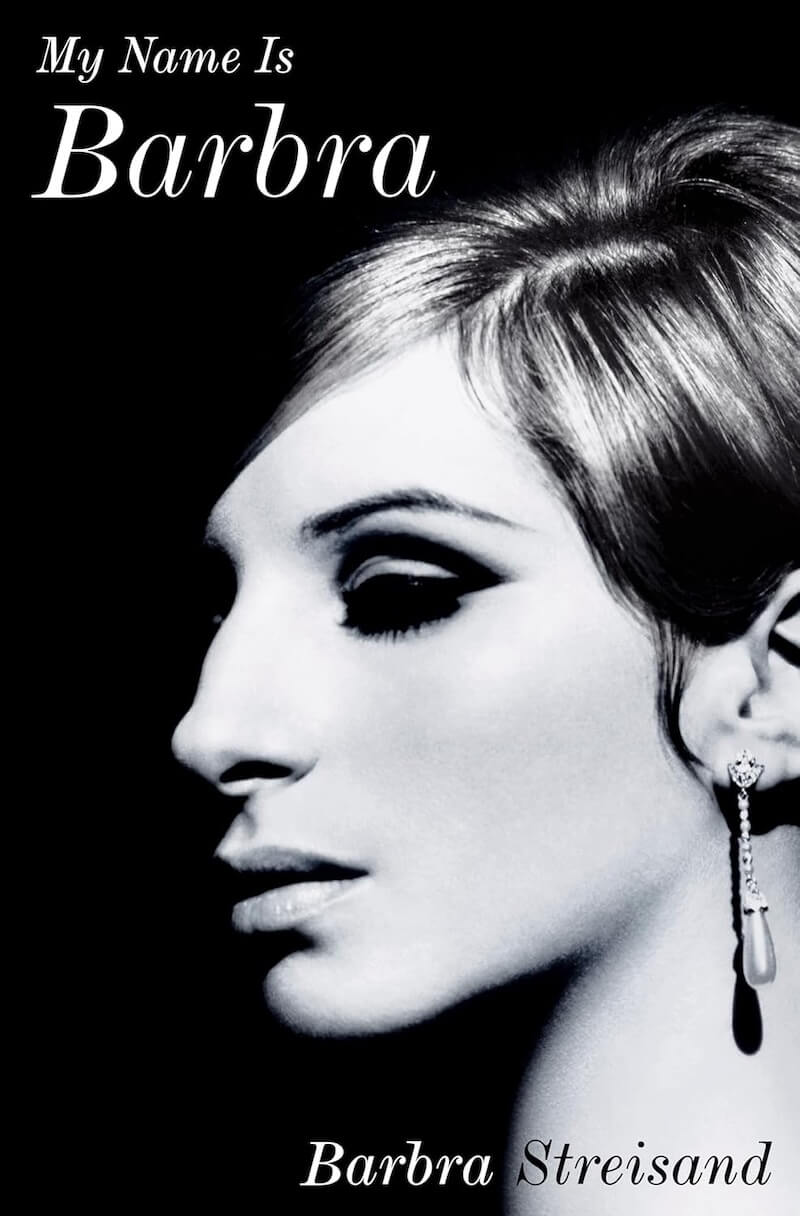
Prefer the print book? Buy on Amazon
As an Amazon Associate, Sumizeit earns from qualifying purchases.
This My Name Is Barbra Book Summary covers the key ideas, lessons, and takeaways in about 20 minutes.
Helps with these goals
Want a Free Weekly Read?
Get a free summary every week straight to your mailbox.
Below is a preview of Sumizeit’s comprehensive human-written summary of My Name Is Barbra by Barbra Streisand. The full summary is 15-20 minutes long and covers the book’s key ideas in text, audio, visual, and video formats. Unlock the full 20 Minute Summary
Barbra Streisand’s life story begins in Brooklyn, New York, where she entered the world in 1942 under difficult circumstances. Her early years were shaped by loss, instability, and emotional distance. Her father passed away when she was still an infant, leaving her mother to raise the family alone. This absence created a deep emotional void that would influence Streisand’s personality and relationships for decades.
Her mother, though hardworking, struggled to provide emotional warmth. Instead of encouraging Streisand’s dreams, she often discouraged them, particularly her ambition to become an actress. Being told she lacked the looks to succeed left a lasting imprint on her confidence. Growing up in a crowded apartment with extended family added to her sense of discomfort and lack of privacy.
Later, when her mother remarried, the situation did not improve. Streisand describes her stepfather as emotionally harsh and unkind, contributing to a tense home environment. These experiences fostered a sense of isolation and insecurity. However, they also pushed her toward imagination as a form of escape. She immersed herself in movies and theater, where she could temporarily leave behind her difficult reality.
This early reliance on fantasy would later become a foundation for her creative expression. Performing was not just a career choice—it was a way to transform pain into something meaningful.
Throughout her memoir, Streisand presents herself as someone who embodies contradictions. On one hand, she often downplays her achievements, attributing success to chance rather than effort. She rarely feels fully satisfied with her performances, constantly focusing on flaws rather than strengths.
On the other hand, she is assertive, outspoken, and unafraid to challenge expectations. From a young age, she expressed strong opinions and resisted authority when necessary. As an adult, this trait translated into bold interactions with powerful figures, including politicians and celebrities.
This duality—humility paired with boldness—can be traced back to her upbringing. Emotional neglect often leads individuals to oscillate between feeling unworthy and seeking validation through achievement. Streisand’s drive to stand out and her tendency to question norms reflect this internal tension.
She also emphasizes that despite global fame, she still identifies as an ordinary girl from Brooklyn. This grounded self-perception contrasts sharply with her public image as a legendary performer.
One of Streisand’s strongest values is honesty. She expresses frustration with misinformation and false narratives, particularly those spread about her in the media. This commitment to truth is a major reason she chose to write her autobiography—to present her own version of events without distortion.
This principle also shaped her artistic decisions. Early in her career, she refused to conform to conventional beauty standards. Despite pressure to alter her appearance—especially her distinctive nose—she chose to remain unchanged. For her, authenticity mattered more than fitting into industry expectations.
Even her stage performances reflected this philosophy. She selected songs that resonated emotionally with her, regardless of whether they matched audience expectations. Instead of prioritizing popularity, she prioritized sincerity.
In acting,…
My Name Is Barbra appeals to anyone interested in understanding how childhood trauma shapes adult success and relationships. It's essential reading for creative professionals, aspiring performers, and people seeking insight into balancing ambition with authenticity. The memoir also resonates with those curious about Hollywood history and the journey of one of entertainment's most influential figures.
In an age of carefully curated public personas, Barbra Streisand's unflinching memoir offers a refreshing exploration of the gap between public image and private reality. Her candid reflections on overcoming self-doubt, navigating gender barriers in male-dominated industries, and maintaining authenticity despite external pressure provide timely lessons for modern audiences. The book also demonstrates how personal adversity can fuel lasting creative and philanthropic impact on society.
Turn ideas from My Name Is Barbra into action with a short guided reflection: identify the biggest takeaway, connect it to your life, and commit to one step you can take in the next 24 hours.
My Name Is Barbra is the autobiographical work of Barbra Streisand, an iconic figure whose multifaceted career spans music, film, theater, and television. Streisand’s memoir is significant not only for chronicling the life of one of the 20th and 21st centuries’ most influential entertainers but also for offering a nuanced exploration of how personal adversity and resilience shape artistic identity. As an EGOT winner and cultural trailblazer, Streisand’s narrative provides a rare insider’s perspective on the entertainment industry, gender dynamics, and the intersection of personal authenticity with public persona.
The central insight of My Name Is Barbra is that personal hardship—rooted in early loss, emotional neglect, and familial instability—can be transmuted into a powerful creative force when coupled with resilience and an unwavering commitment to authenticity. Streisand argues that success is not merely the product of talent or luck but the outcome of persistent self-belief and the courage to defy conventional expectations. Her memoir posits that embracing one’s contradictions and vulnerabilities, rather than masking them, fosters deeper artistic expression and meaningful connections with audiences.
My Name Is Barbra is ideal for readers interested in the intersection of celebrity culture, psychology, and creative artistry. It will particularly resonate with those who appreciate memoirs that transcend mere recounting of events to explore the emotional and existential dimensions of a public life. Scholars and enthusiasts of feminist cultural studies, performance theory, and the sociology of fame will find valuable insights. Additionally, aspiring artists and professionals navigating the challenges of authenticity, resilience, and identity in competitive fields may draw inspiration from Streisand’s candid reflections and career trajectory.
Try a few questions from the My Name Is Barbra quiz. Unlock the full summary for the full quiz and answers that will help the ideas stick.
Question 1 of 5
The summary states Streisand’s life story begins in Brooklyn, New York.
Question 2 of 5
The summary notes her father passed away when she was still an infant, leaving her mother to raise the family alone.
Question 3 of 5
The summary explains her mother often discouraged Streisand’s dreams, particularly saying she lacked the looks to succeed as an actress.
Question 4 of 5
The summary states she immersed herself in movies and theater as a way to temporarily leave behind her difficult reality.
Question 5 of 5
The summary describes Streisand as both downplaying her achievements while also being assertive and outspoken—humility paired with boldness.
My Name Is Barbra is Barbra Streisand's candid memoir chronicling her journey from a difficult childhood in Brooklyn through her groundbreaking career in theater, music, film, and television. The book explores how early emotional neglect and loss shaped her drive for authenticity, her complex relationship patterns, and her evolution from self-doubting performer to industry legend who expanded into directing and activism.
Anyone interested in entertainment history, creative achievement, or understanding how childhood trauma influences adult success will find value in this memoir. It's particularly relevant for aspiring performers, professionals navigating male-dominated industries, people seeking to understand relationship patterns, and those curious about balancing ambition with authenticity and using influence for social change.
The book's core message is that adversity can fuel creativity and ambition when coupled with self-belief and authenticity. Key takeaways include: childhood emotional experiences shape adult patterns; authenticity matters more than conformity; success requires persistence beyond talent; creative control expands influence; understanding your past is essential for building your future; and using your platform for social causes creates lasting legacy beyond personal achievement.
Streisand transformed her painful childhood experiences—including her father's death and mother's emotional distance—into creative fuel through immersion in theater and performance. She used imagination as an escape mechanism that later became the foundation for her artistic expression, turning pain into meaningful work. Her commitment to authenticity and refusal to conform to expectations further enabled her to transcend her background.
The memoir shows how childhood instability and emotional distance made Streisand prone to pursuing unavailable or emotionally intense partners, repeating unresolved patterns. Her evolution toward a stable, respectful partnership with James Brolin demonstrates that successful relationships require compatibility, emotional maturity, mutual respect, and the ability to support a partner's independence and ambition.
Streisand strategically expanded her influence by moving from acting into directing, producing, and writing—roles that allowed her to shape projects from conception through completion. Her directorial debut challenged gender norms in Hollywood and demonstrated that women could excel in leadership positions, ultimately giving her authority over how her artistic vision was realized.
Authenticity is central to Streisand's philosophy throughout the memoir. She refused to alter her appearance despite industry pressure, selected songs based on emotional resonance rather than popularity, and pursued roles that required genuine emotional experience. This commitment to truth extended to writing the memoir itself—to control her narrative and counter media misinformation.
Streisand emphasizes that her most important legacy involves philanthropy and activism rather than artistic achievement alone. Through her foundation, she has supported education, environmental conservation, and social equality initiatives. She has also used her platform to advocate for political and social change, demonstrating commitment to creating a more just society.
Sumizeit is a profitable Scomy LLC company based in Miami, Florida. It has been helping readers learn from nonfiction books for 7 years with expert-written summaries in text, audio, podcast, and video.
Join thousands of learners getting smarter every day
"Great experience. Detailed summaries. Loved the gamification feature. Makes learning fun. Good customer service. I recommend Sumizeit to anyone. You'll learn a lot."
"I always felt busy but still wanting to keep up with the book discussion in my friend group. This was a great supplement to help me keep reading the books I find fun while keeping up with important books."
"I love this website. Instead of scrolling social media, I find myself learning a lot. I use it everyday. I recommend this app for anyone who is too busy and wants to get up to speed with their favorite books."
Looking for a My Name Is Barbra Book Summary PDF you can save and revisit offline? Our My Name Is Barbra Book Summary PDF captures the book’s core ideas in a clean, printable format — the key frameworks, takeaways, and structure without the fluff. Download the My Name Is Barbra Book Summary PDF when you want a reference you can annotate, share with your team, or review on the go. Get your My Name Is Barbra Book Summary PDF from the download page below.
Download My Name Is Barbra Book Summary PDFReaders who explored My Name Is Barbra often enjoyed these titles next.
Popular Book Summaries at sumizeit, leading book summary app