
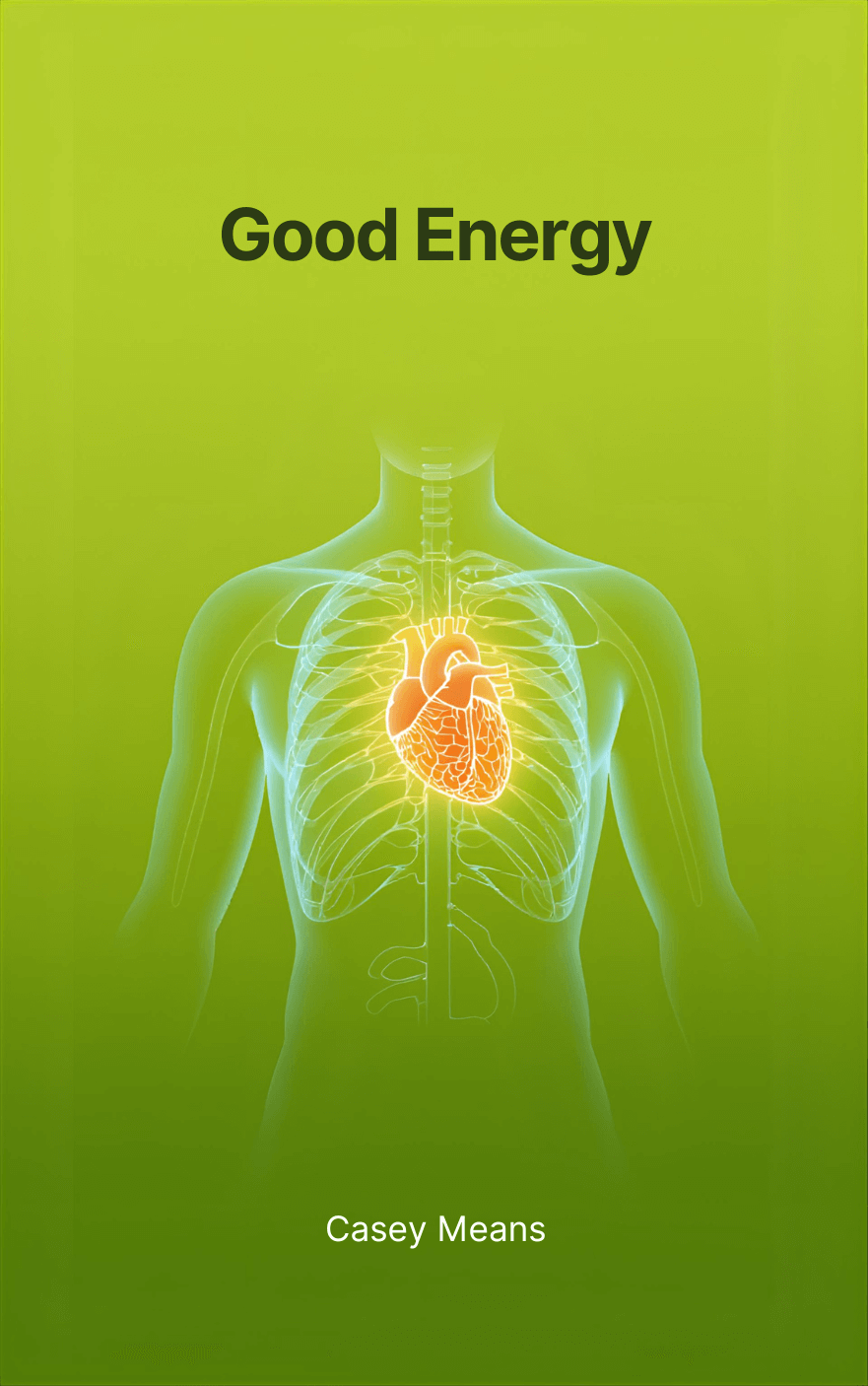
Good Energy Book Summary
This Good Energy Book Summary covers the key ideas, lessons, and takeaways in about 20 minutes.
Rather than offering a rigid protocol, the book invites readers to understand how their daily choices—food, movement, sleep, light exposure, stress, and mindset—communicate with their cells. When those signals align with human biology, the body regains its natural ability to heal, adapt, and thrive. Health becomes less about fighting disease and more about restoring the conditions that allow life to function as it was designed.
Want the complete 20-minute summary?
- Full structured summary
- Video Summary
- Podcast Summary
- Audio summary
- Key takeaways
- Exercises
- Quiz
- Highlights and notes
- Ask the book with AI
What is in the Good Energy book summary?
Below is a preview of Sumizeit’s expert-written summary of Good Energy by Casey Means. The full summary covers the book’s key ideas in text, audio, and video.
Across the world, people are becoming sicker at younger ages. Conditions that once appeared late in life—such as diabetes, heart disease, autoimmune disorders, infertility, depression, and cognitive decline—now show up decades earlier. Many people assume this is simply bad luck, genetics, or aging. Casey Means challenges that assumption entirely.
She argues that these illnesses are not isolated accidents. Instead, they are connected through a shared biological breakdown happening deep inside the body. According to Means, the modern health crisis cannot be understood by looking only at symptoms or organs. It must be understood at the microscopic level where energy is created.
The central idea of the book is that health rises or falls based on how well the body produces and uses energy. When cells generate energy efficiently, the body thrives. When that process falters, disease slowly takes hold—even long before symptoms appear.
This breakdown is not sudden. It develops silently over years as daily habits overwhelm the body’s ability to adapt.
The Hidden World Inside Every Cell
The human body contains roughly thirty-seven trillion cells. Each one is alive, active, and constantly working. Cells communicate with one another, repair damage, defend against threats, remove waste, and build new structures. None of this happens automatically.
Every action inside a cell requires energy.
That energy is not abstract—it comes from a chemical molecule called ATP. ATP is essentially the currency that powers life. Without it, nothing functions properly: muscles weaken, hormones fall out of balance, immune responses falter, and mental clarity declines.
Inside each cell are structures responsible for producing ATP. These structures act like microscopic power plants, converting nutrients from food into usable fuel. When these power systems work smoothly, cells remain resilient and adaptable. When they struggle, cells begin sending distress signals.
Means explains that chronic illness begins when cells repeatedly fail to meet their energy demands.
When Energy Production Breaks Down
Healthy cells are flexible. They can switch between burning carbohydrates and fats depending on availability. They respond to stress appropriately and recover afterward. They communicate clearly with hormones and immune signals.
Unhealthy cells lose that flexibility.
When energy production becomes inefficient, cells generate excessive byproducts that damage membranes, DNA, and internal machinery. Over time, this creates a harmful internal environment marked by inflammation, unstable blood sugar, and oxidative stress.
Means describes this state as “bad energy.”
Bad energy does not announce itself loudly at first. It may show up as fatigue after meals, brain fog, stubborn weight gain, anxiety, sleep problems, or digestive discomfort. These signals are often dismissed or medicated rather than understood.
Yet beneath those symptoms, cells are struggling to keep up.
Why Modern Life Overwhelms Our Biology
Human biology evolved under vastly different conditions than those we live in today. Our cells developed over thousands of years in environments that included:
Natural light-dark cycles
Regular movement
Periods of hunger and rest
Temperature variation
Whole, minimally altered foods
Modern life disrupts every one of those inputs simultaneously.
Food is now available constantly, highly refined, and…
Want the complete 20-minute summary?
- Full structured summary
- Video Summary
- Podcast Summary
- Audio summary
- Key takeaways
- Exercises
- Quiz
- Highlights and notes
- Ask the book with AI
Who should read Good Energy?
Good Energy is for anyone experiencing chronic fatigue, weight struggles, brain fog, or early-stage health conditions who wants to understand the root cause rather than just treat symptoms. It's especially valuable for people feeling stuck with conventional medical approaches and those ready to take an active role in their metabolic health through lifestyle changes rather than medication alone.
Why does Good Energy matter?
Modern chronic diseases are skyrocketing in younger populations, yet medicine typically treats them as isolated problems rather than expressions of a shared metabolic breakdown. Good Energy by Casey Means reveals that most contemporary illness stems from cellular energy failure—a preventable and often reversible condition driven by daily choices. In a healthcare system focused on managing disease after it develops, this book offers a framework for intervening at the cellular level before serious illness takes hold.
What are the key themes in Good Energy?
- Cellular energy (ATP) as the foundation of all health
- Modern life creates mismatch with human biology
- Food as cellular information, not just calories
- Interconnection between seemingly unrelated diseases
- Lifestyle factors (sleep, movement, light, stress) reshape metabolism
- Early intervention prevents disease entrenchment
- Personal health literacy empowers better outcomes
What are the key lessons from the Good Energy book summary?
ATP is the universal currency of life
Every cellular function—immune response, hormone balance, muscle strength, mental clarity—depends on efficient ATP production. When mitochondria struggle to generate energy, the entire body begins to fail.
Chronic illness develops silently over years
Disease doesn't appear suddenly; it emerges gradually as daily habits overwhelm the body's ability to adapt. Early warning signs like fatigue or brain fog are often dismissed rather than recognized as cellular distress signals.
Bad energy creates a self-reinforcing cycle
Inefficient energy production triggers oxidative overload, inflammation, and insulin resistance, which then further damage energy systems. Breaking this cycle requires addressing root causes, not just symptoms.
Modern environments contradict evolved biology
Humans evolved expecting natural light cycles, movement, periodic hunger, temperature variation, and whole foods. Today's constant food availability, artificial light, sedentary lifestyles, and processed foods overwhelm cellular signaling systems.
Food is information for cells
Whole foods provide complex molecular signals that support repair and energy production, while processed foods deliver concentrated energy without guidance. Cells receiving energy without micronutrients struggle to process it safely.
Many diseases share metabolic roots
Heart disease, diabetes, neurological decline, and autoimmune conditions may appear unrelated but often stem from the same underlying energy dysfunction. Treating them separately ignores their common cause.
Conventional medicine treats symptoms, not systems
Medical specialists address individual organs while the metabolic imbalance persists untouched. Limited training in nutrition and lifestyle means doctors often don't understand how daily choices drive disease.
Fiber feeds the microbiome, which regulates metabolism
Gut bacteria influence blood sugar stability, inflammation levels, and even mental health. A diverse microbiome strengthened by fiber creates metabolic resilience.
Sleep is essential for metabolic repair
Poor sleep disrupts glucose regulation and hormone balance even in otherwise healthy people. Sleep allows cells to clear damaged components and restore energy-producing capacity.
Stress hormones divert energy from repair to survival
Chronic psychological stress keeps cells in defensive mode, limiting metabolic flexibility. The body cannot fully heal while perceiving ongoing threat.
Temperature variation strengthens cellular resilience
Exposure to cold and heat activates metabolic pathways that improve insulin sensitivity and stimulate beneficial metabolic changes. Modern climate control eliminates these important signals.
Light exposure synchronizes hormonal rhythms
Morning sunlight and darkness at night regulate metabolic processes throughout the day. Artificial light disrupts these rhythms and suppresses restorative functions.
Movement teaches muscles to use glucose efficiently
Exercise signals muscles to absorb glucose and burn fat more effectively while stimulating creation of new energy-producing structures inside cells.
Processed foods spike blood sugar and create inflammation
Refined sugars, industrial oils, and stripped grains flood cells with energy they cannot process safely, leading to free radical damage and metabolic confusion.
Health literacy enables earlier intervention
Understanding personal biological signals—how blood sugar responds to meals, how sleep affects energy—empowers people to intervene before disease becomes entrenched.
Emotional safety enables metabolic restoration
Persistent anxiety keeps the body in survival mode. Practices promoting safety, connection, and self-compassion signal the body to shift from defense into repair and healing.
Oxidative overload damages cellular machinery
When cells produce more reactive molecules than they can neutralize, these molecules damage proteins, membranes, and DNA, accelerating aging and disease.
Insulin resistance amplifies metabolic stress
When cells become resistant to insulin's signal, glucose accumulates in the blood, creating further metabolic strain and feeding chronic inflammation.
The body is an integrated system, not isolated parts
Food affects mood, sleep affects blood sugar, stress affects digestion. Understanding these connections transforms wellness from chasing isolated fixes to building supportive internal and external environments.
Health is built daily through small consistent choices
Rather than restored after breakdown through dramatic interventions, metabolic health emerges from aligning daily habits—eating, moving, sleeping, managing stress—with what human biology requires.
Want the complete 20-minute summary?
- Full structured summary
- Video Summary
- Podcast Summary
- Audio summary
- Key takeaways
- Exercises
- Quiz
- Highlights and notes
- Ask the book with AI
How can you apply ideas from Good Energy?
- Track how different foods affect your energy, focus, and mood to identify which meals stabilize versus destabilize your blood sugar
- Prioritize morning light exposure and limit artificial light after sunset to synchronize hormonal rhythms that regulate metabolism throughout the day
- Add movement throughout your day—even brief walks after meals—to improve glucose absorption and signal muscles to work more efficiently
- Evaluate processed foods by how they affect your metabolic stability rather than calorie counts, focusing on whole foods that provide micronutrients alongside energy
- Implement stress management practices like breathwork, meditation, or connection that signal safety to your nervous system and allow cells to shift from defense to repair
- Experiment with temperature exposure through cold showers or time in warm environments to activate beneficial metabolic pathways
- Prioritize sleep quality as a foundational metabolic intervention, recognizing it as cellular repair time rather than lost productivity
What common mistakes do readers make with Good Energy?
- Assuming high cholesterol or blood sugar are the actual problems rather than recognizing them as symptoms of underlying energy dysfunction
- Focusing only on calories while ignoring food quality and the information molecules send to cells, leading to continued metabolic confusion despite weight loss
- Treating unrelated symptoms separately through different specialists without addressing the shared metabolic breakdown at their root
- Neglecting lifestyle factors like sleep, stress, and light exposure while expecting nutrition alone to repair metabolic health
- Interpreting early warning signs like fatigue and brain fog as personal failure rather than recognizing them as cellular distress signals requiring intervention
Sumizeit Exercises Apply what you've learned
Turn ideas from Good Energy into action with a short guided reflection: identify the biggest takeaway, connect it to your life, and commit to one step you can take in the next 24 hours.
What is the expert analysis of Good Energy?
Overview
Good Energy by Dr. Casey Means stands as a significant contribution to contemporary health literature by reframing chronic illness through the lens of cellular energy metabolism. Dr. Means, a trained physician and health advocate, leverages her medical background and integrative perspective to challenge conventional paradigms that often treat diseases in isolation. Instead, she offers a holistic, systems-based understanding that connects seemingly disparate conditions—such as diabetes, autoimmune disorders, and cognitive decline—through a shared metabolic dysfunction rooted in mitochondrial energy production. This book is emblematic of a growing movement that bridges cutting-edge biomedical science with accessible lifestyle interventions, aiming to empower readers to reclaim their health through informed daily choices.
Core Thesis
The central argument of Good Energy is that the genesis of many modern chronic diseases lies in the gradual failure of cellular energy production, particularly within mitochondria, the cell’s powerhouses. Dr. Means posits that this metabolic breakdown precedes overt symptoms and is exacerbated by the discordance between human evolutionary biology and contemporary environments—characterized by constant food availability, sedentary lifestyles, artificial lighting, and chronic stress. She argues that health is fundamentally determined by how efficiently cells generate and utilize energy, and that disruptions in this process trigger a cascade of oxidative stress, inflammation, and insulin resistance. By focusing on metabolic health rather than isolated symptoms, individuals can intervene early and potentially reverse disease trajectories through lifestyle modifications that restore cellular resilience.
Strengths
l>Critiques & Counterarguments
l>Who Should Read This
Good Energy is ideally suited for readers with a sophisticated interest in health science who seek a nuanced understanding of chronic disease beyond conventional symptom management. It appeals to healthcare professionals, integrative practitioners, and informed laypersons eager to deepen their grasp of metabolic health and its lifestyle determinants. Additionally, those frustrated by the limitations of traditional medicine or looking for scientifically grounded, actionable strategies to enhance vitality and prevent illness will find this book particularly valuable. Its blend of rigorous science and practical advice makes it a compelling resource for anyone committed to proactive, informed wellness in the modern age.
Frequently asked questions about the Good Energy book summary
What is Good Energy about?
Good Energy by Casey Means explores how modern chronic disease stems from cellular energy failure rather than genetic bad luck or isolated organ problems. The book reveals that inefficient ATP production—the energy currency of cells—triggers inflammation, insulin resistance, and oxidative damage that underlie most contemporary illnesses. Means argues that by understanding and restoring metabolic health through daily choices around food, movement, sleep, and stress, people can prevent or reverse disease before it becomes entrenched.
Who should read Good Energy?
Good Energy is essential for anyone experiencing chronic fatigue, weight struggles, brain fog, anxiety, or early-stage health conditions who wants to understand root causes rather than just manage symptoms. It's particularly valuable for people frustrated with conventional medicine's symptom-focused approach and ready to take active responsibility for their health through lifestyle changes. The book also benefits health professionals who want a framework for connecting seemingly unrelated diseases to shared metabolic dysfunction.
What are the main takeaways from Good Energy?
The core message is that most modern illness begins at the cellular level long before diagnosis, when energy production fails and triggers oxidative overload, inflammation, and insulin resistance. Rather than treating diseases separately, understanding their shared metabolic roots enables earlier intervention and often reversal before they become entrenched. By aligning daily choices—food quality, movement, sleep, light exposure, stress management, and mindset—with human biology, people can restore their body's natural capacity to heal and thrive without relying solely on medication.
How does food quality differ from calorie counting in Good Energy?
Means explains that food is not simply calories; every bite sends molecular instructions to cells. Whole foods provide complex signals—micronutrients, fiber, antioxidants—that support efficient energy production, while processed foods deliver concentrated energy without guidance, forcing cells to process fuel unsafely. This mismatch creates free radical damage and metabolic confusion even when calorie counts appear balanced.
What role does sleep play in metabolic health according to Good Energy?
Sleep is presented as essential cellular repair time when hormones rebalance and damaged components are cleared. Poor sleep disrupts glucose regulation and energy production even in otherwise healthy people, while adequate sleep restores metabolic resilience. Sleep quality directly influences whether other lifestyle interventions succeed.
How does chronic stress affect cellular energy in Good Energy?
Chronic psychological stress triggers hormonal cascades that divert energy toward survival responses rather than repair and restoration. When the body perceives ongoing threat, cells remain in defensive mode and lose metabolic flexibility. Even optimal nutrition cannot fully counteract constant psychological stress without also addressing emotional safety and nervous system regulation.
Why does Casey Means criticize conventional healthcare in Good Energy?
Means argues that conventional medicine treats symptoms organ-by-organ through specialists without addressing the shared metabolic breakdown at their root. Medical training devotes minimal time to nutrition and lifestyle despite their central importance to preventing disease. Short appointments encourage prescriptions over education, leaving patients with multiple diagnoses and medications but no understanding of why their bodies are struggling.
What is the role of the microbiome in Good Energy?
The microbiome—trillions of gut bacteria—regulates blood sugar stability, inflammation levels, and even mental health through the gut-brain axis. A diverse microbiome strengthened by dietary fiber creates metabolic resilience. Fermented foods introduce beneficial organisms that further support digestion and immune balance, making the microbiome central to overall cellular energy production.
About Sumizeit
Sumizeit is a profitable Scomy LLC company based in Miami, Florida. It has been helping readers learn from nonfiction books for 7 years with expert-written summaries in text, audio, podcast, and video.
Want the complete 20-minute summary?
- Full structured summary
- Video Summary
- Podcast Summary
- Audio summary
- Key takeaways
- Exercises
- Quiz
- Highlights and notes
- Ask the book with AI
Here's why readers love Sumizeit
Join thousands of learners getting smarter every day
"Great experience. Detailed summaries. Loved the gamification feature. Makes learning fun. Good customer service. I recommend Sumizeit to anyone. You'll learn a lot."
"I always felt busy but still wanting to keep up with the book discussion in my friend group. This was a great supplement to help me keep reading the books I find fun while keeping up with important books."
"I love this website. Instead of scrolling social media, I find myself learning a lot. I use it everyday. I recommend this app for anyone who is too busy and wants to get up to speed with their favorite books."
Good Energy Book Summary PDF
Looking for a Good Energy Book Summary PDF you can save and revisit offline? Our Good Energy Book Summary PDF captures the book’s core ideas in a clean, printable format — the key frameworks, takeaways, and structure without the fluff. Download the Good Energy Book Summary PDF when you want a reference you can annotate, share with your team, or review on the go. Get your Good Energy Book Summary PDF from the download page below.
Download Good Energy Book Summary PDFPeople also liked these summaries
Readers who explored Good Energy often enjoyed these titles next.


Want the complete 20-minute summary?
- Full structured summary
- Video Summary
- Podcast Summary
- Audio summary
- Key takeaways
- Exercises
- Quiz
- Highlights and notes
- Ask the book with AI
Featured Book Titles
Popular Book Summaries at sumizeit, leading book summary app
