


As an Amazon Associate, Sumizeit earns from qualifying purchases.
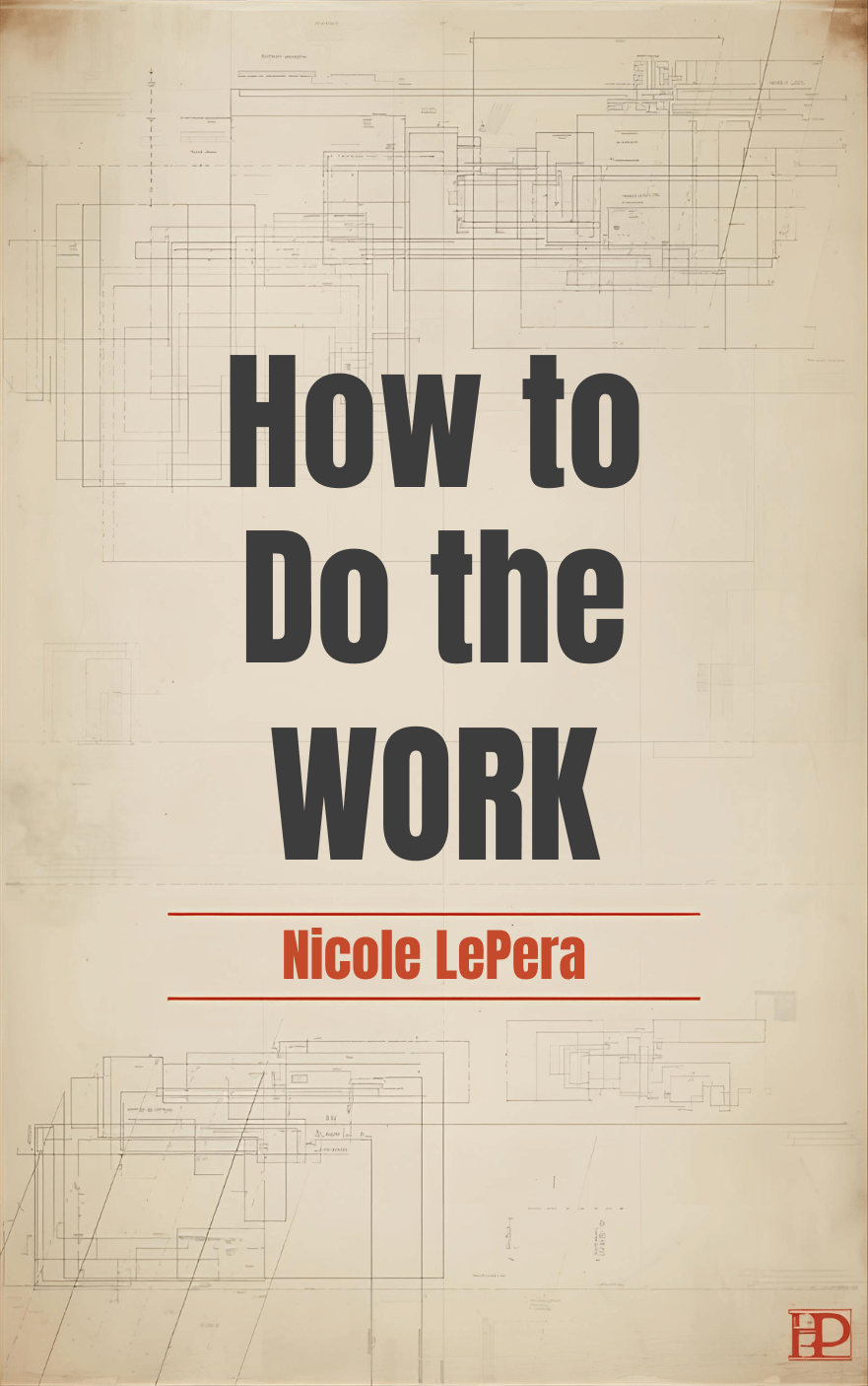
How to Do the Work Book Summary
This How to Do the Work Book Summary covers the key ideas, lessons, and takeaways in about 20 minutes.
Healing is not about becoming perfect or fixing something broken. It is about returning to authenticity, building safety within the body, and consciously choosing new ways of relating to oneself and others. With patience and daily practice, deep transformation becomes possible.
Helps with these goals
Want the complete 20-minute summary?
- Full structured summary
- Video Summary
- Podcast Summary
- Audio summary
- Key takeaways
- Exercises
- Quiz
- Highlights and notes
- Ask the book with AI
What is in the How to Do the Work book summary?
Below is a preview of Sumizeit’s expert-written summary of How to Do the Work by Nicole LePera. The full summary covers the book’s key ideas in text, audio, and video.
Many people spend years trying to improve themselves. They read books, listen to podcasts, attend therapy, and make endless promises to “do better.” Yet despite their effort, the same emotional struggles keep resurfacing. They might repeatedly end up in unhealthy relationships, struggle with anxiety, sabotage opportunities, or feel chronically dissatisfied with life.
Nicole LePera explains that this frustration does not come from a lack of motivation or intelligence. Instead, it comes from trying to change behavior without addressing the deeper systems controlling that behavior. Most people attempt to change at the surface level—actions, habits, and thoughts—while the true drivers operate far beneath conscious awareness.
To truly change, a person must understand how their mind and body were shaped long before adulthood.
Why Willpower Alone Rarely Creates Lasting Change
People are often taught that self-discipline is the solution to everything. If they just tried harder, stayed positive, or pushed through discomfort, they would become the person they want to be.
LePera challenges this belief by explaining that willpower operates only in the conscious mind. However, the conscious mind governs only a small percentage of daily behavior. The vast majority of decisions, emotional reactions, and habits are directed by the subconscious mind.
This means that even when someone wants to change, their nervous system may be working against them. The body responds automatically to perceived danger, often before logic has time to intervene. That is why someone can logically understand that a situation is safe, yet still feel panic, shame, or anger.
Change feels exhausting because the person is fighting their own internal programming.
How Early Life Experiences Shape the Adult Self
From birth, children are completely dependent on caregivers. This dependency creates a powerful need for emotional safety and belonging. Because survival depends on caregivers, children instinctively adapt their behavior to maintain connection.
They learn very early what earns approval and what threatens rejection.
For example:
A child who receives affection for being “good” learns to suppress anger or sadness.
A child who is criticized learns to strive for perfection.
A child who is ignored learns to demand attention or withdraw entirely.
These adaptations are not conscious decisions. They are survival responses. The child is not choosing who to become; the nervous system is learning how to stay safe.
Over time, these adaptations become identity.
Emotional Pain as the Origin of Coping Mechanisms
LePera emphasizes that trauma is not defined by how extreme an experience looks from the outside. Trauma is defined by how unsafe, powerless, or overwhelmed the child felt in that moment.
A child can experience trauma from:
Being frequently invalidated
Feeling emotionally unseen
Living with unpredictable caregivers
Carrying responsibility for adult emotions
Receiving love conditionally
When emotional pain cannot be processed or expressed, it becomes stored in the body and subconscious mind. To avoid reliving that pain, the child develops coping behaviors.
These coping behaviors might include:
Avoiding conflict
Becoming overly responsible
Staying emotionally numb
Controlling surroundings
People-pleasing
Dissociating or zoning out
These behaviors reduce pain temporarily but…
Want the complete 20-minute summary?
- Full structured summary
- Video Summary
- Podcast Summary
- Audio summary
- Key takeaways
- Exercises
- Quiz
- Highlights and notes
- Ask the book with AI
Who should read How to Do the Work?
How to Do the Work is for anyone stuck in repeating emotional patterns, unhealthy relationships, or self-sabotage despite years of self-improvement efforts. If you've tried therapy, books, and willpower but nothing seems to stick, this book is designed for you. Nicole LePera speaks to people ready to understand why surface-level changes fail and who are willing to do the deeper work of nervous system healing.
Why does How to Do the Work matter?
Most people try to change behavior without addressing the subconscious systems controlling that behavior, which explains why willpower alone fails. How to Do the Work reveals that lasting transformation requires understanding how childhood experiences shaped your nervous system and automatic patterns. In a world of quick fixes and self-help shortcuts, this book offers a science-backed framework for real, sustainable change.
What are the key themes in How to Do the Work?
- Subconscious programming and automatic patterns
- Nervous system regulation and trauma recovery
- Childhood origins of adult emotional struggles
- Mind-body integration in healing
- Limiting beliefs and their roots in survival strategies
- Conscious living versus reactive autopilot
- Emotional safety and belonging as foundational needs
What are the key lessons from the How to Do the Work book summary?
Willpower operates only in conscious awareness
The conscious mind governs only a small percentage of daily behavior; the vast majority is directed by the subconscious mind. This is why someone can logically understand they should change yet feel powerless to do so.
Children adapt behavior to stay emotionally safe
From birth, children depend entirely on caregivers and instinctively learn what earns approval and what threatens rejection. These adaptations become survival responses hardwired into the nervous system.
Trauma is defined by how unsafe the child felt, not by external severity
Being frequently invalidated, emotionally unseen, or receiving conditional love can cause trauma just as much as dramatic events. The nervous system records the feeling of powerlessness, not the event's objective intensity.
Unprocessed emotional pain becomes stored in the body
When children cannot express or process emotional pain, it gets stored in the subconscious mind and nervous system. This unresolved pain drives the development of coping mechanisms that limit adult functioning.
The subconscious prioritizes familiarity over happiness
Once a pattern proves effective at reducing discomfort, the brain labels it as safe and repeats it automatically. The subconscious would rather replay what is known—even if painful—than risk uncertainty.
The nervous system reacts before logic has time to intervene
Emotional threats in childhood are registered by the same alarm system as physical threats. As an adult, a raised voice or delayed text can trigger survival responses even when no real danger exists.
Chronic stress keeps the nervous system in survival mode
Frequent emotional triggers prevent the nervous system from returning to baseline, resulting in chronic activation. This manifests as constant anxiety, exhaustion, digestive issues, and immune dysfunction.
Disconnection from personal needs prevents meeting them
Children conditioned to focus on pleasing caregivers stop recognizing their own emotions and needs. As adults, this shows up as chronic dissatisfaction, people-pleasing, and burnout despite external success.
Unhealed wounds unconsciously replay in adult relationships
People often seek partners who mirror their caregivers—not because it feels good but because it feels familiar. These relationship patterns reflect unresolved childhood beliefs about love and safety.
Stress hormones accumulate without physical action to burn them off
Emotional threats trigger stress hormones just like physical threats, but they don't require physical action to resolve. The hormones accumulate in the body, contributing to hormonal imbalance and chronic health issues.
Healing requires conscious daily participation, not just insight
Awareness and understanding are only the first step; real change demands intentional, daily engagement with the mind and body. Healing is a lifestyle practice, not a single breakthrough.
Small consistent practices retrain the nervous system
Mindfulness, gentle movement, adequate sleep, and breath regulation teach the body it is no longer under threat. Over time, safety becomes the new baseline instead of constant alert.
Observe patterns with curiosity, not criticism
Noticing repeating emotional reactions, triggers, and coping behaviors without judgment is the foundation for change. Each pattern once served a protective purpose in childhood.
Childhood roles shape lifelong identity and behavior
Children often adopt survival roles like the caretaker, achiever, invisible child, or perfectionist. Each role is built around a specific belief about how to stay safe and earn love.
Core limiting beliefs shape behavior automatically
Beliefs like 'I am not enough' or 'Love must be earned' operate beneath conscious awareness and drive patterns throughout life. They form early in childhood based on unmet emotional needs.
Beliefs cannot change through logic alone
The nervous system must experience safety while holding a new belief for it to take root. Change requires repetition, visualization, emotional engagement, and patience to build new neural pathways.
Trauma is stored physically in the body
Because unresolved emotional pain is stored physically, healing requires body-based regulation practices alongside cognitive work. When the body feels safe, the mind becomes flexible and open to change.
You are not responsible for what happened but for how you heal
This distinction shifts perspective from shame to empowerment. Taking responsibility for your healing journey restores agency and breaks the victim narrative.
Conscious living means pausing before reacting
Real freedom comes from breaking automatic patterns by pausing, listening inward, and choosing responses aligned with your values rather than your conditioning. This creates lasting emotional and relational transformation.
Authenticity emerges when survival strategies are no longer needed
As the nervous system learns safety and old patterns release, your true self—separate from childhood survival roles—can finally emerge. Healing is a return to authenticity, not a journey toward becoming someone new.
Want the complete 20-minute summary?
- Full structured summary
- Video Summary
- Podcast Summary
- Audio summary
- Key takeaways
- Exercises
- Quiz
- Highlights and notes
- Ask the book with AI
How can you apply ideas from How to Do the Work?
- Track your automatic reactions for a week to identify repeating emotional patterns and discover which triggers consistently activate your nervous system
- Reflect on your childhood and map which survival roles you adopted (caretaker, achiever, perfectionist, etc.) and how they show up in your adult relationships and career
- Practice daily nervous system regulation through breathwork, gentle movement, or mindfulness to teach your body it is safe and rebuild your baseline
- Identify one core limiting belief about yourself and consciously challenge it by collecting evidence that contradicts it and visualizing yourself living from a new belief
- Set one boundary this week that honors your needs rather than seeking approval, noticing the discomfort and practicing staying present with it
- Create a simple daily ritual (5-10 minutes) combining movement, breathwork, and positive self-talk to reprogram your subconscious mind through repetition and felt experience
- Journal about a current relationship pattern and trace it back to a childhood experience, identifying the unmet need driving the behavior
What common mistakes do readers make with How to Do the Work?
- Assuming awareness alone will create change—understanding why you react a certain way does not automatically rewire decades of nervous system programming without daily practice
- Relying solely on willpower and positive thinking while ignoring the subconscious patterns and nervous system dysregulation underneath the behavior
- Trying to change beliefs through logic instead of through emotional experience and repetition, which leaves the nervous system unconvinced and unchanged
- Skipping the body-based healing work and focusing only on cognitive or talk-based therapy, missing that trauma is stored physically and requires somatic practices
- Judging yourself harshly for having patterns instead of approaching them with curiosity and compassion, which deepens shame and resistance to change
Sumizeit Exercises Apply what you've learned
Turn ideas from How to Do the Work into action with a short guided reflection: identify the biggest takeaway, connect it to your life, and commit to one step you can take in the next 24 hours.
What is the expert analysis of How to Do the Work?
Overview
How to Do the Work is a significant contribution to contemporary self-help and psychological literature, authored by Nicole LePera, a holistic psychologist renowned for integrating neuroscience, trauma research, and mind-body awareness into accessible healing frameworks. LePera’s approach transcends traditional therapy paradigms by emphasizing active, daily self-healing practices that address the subconscious roots of emotional distress. The book resonates in a cultural moment increasingly attuned to the complexities of trauma, nervous system regulation, and the limitations of willpower alone in fostering lasting change.
Core Thesis
LePera’s central argument is that adult emotional struggles and behavioral patterns are not simply failures of will or motivation but are deeply rooted survival mechanisms formed in early childhood. These subconscious patterns, encoded by the nervous system in response to perceived threats, govern much of our behavior outside conscious awareness. True transformation requires addressing these underlying systems—nervous system regulation, subconscious beliefs, and embodied trauma—rather than merely changing surface behaviors or thoughts. Healing is thus a holistic, integrative process involving mind, body, and consistent conscious participation.
Strengths
- Holistic Integration: LePera skillfully synthesizes diverse disciplines—psychology, neuroscience, trauma theory, and somatic practices—into a coherent framework that is both theoretically rich and practically applicable.
- Accessibility and Empowerment: The book demystifies complex scientific concepts without oversimplification, empowering readers to take active responsibility for their healing journey while avoiding blame for past trauma.
- Emphasis on Nervous System Regulation: Highlighting the primacy of the nervous system in emotional reactivity and chronic stress offers a refreshing corrective to purely cognitive or behavioral models of change.
- Practical Daily Practices: The inclusion of concrete, manageable habits—mindfulness, breathwork, gentle movement—grounds the theory in actionable steps that foster sustainable transformation.
- Nuanced Understanding of Trauma: Defining trauma through the lens of felt experience rather than external severity broadens the scope of who can benefit from healing and validates a wide range of emotional pain.
Critiques & Counterarguments
- Potential Oversimplification of Complex Trauma: While the book admirably broadens trauma’s definition, some readers may find the framework insufficiently nuanced for complex PTSD or severe dissociative disorders, which often require specialized clinical interventions beyond self-guided work.
- Empirical Evidence and Scientific Rigor: The book leans heavily on emerging neuroscience and trauma theory but occasionally lacks rigorous citation of peer-reviewed studies, which may challenge its acceptance in academic psychology circles.
- Risk of Overgeneralization: The assertion that subconscious survival patterns universally drive adult dysfunction may underplay the role of socio-cultural, economic, and systemic factors that also shape behavior and mental health.
- Competing Schools of Thought: Cognitive-behavioral therapy (CBT) and dialectical behavior therapy (DBT), which emphasize conscious cognitive restructuring and skills training, might critique the book’s focus on subconscious patterns as insufficient without explicit cognitive work.
- Real-World Application Challenges: The book’s call for daily intentional practice assumes a level of stability and resource availability that some readers—especially those in crisis or with limited support—may find difficult to sustain without professional guidance.
Who Should Read This
How to Do the Work is ideally suited for readers who are earnest in their desire for deep, lasting personal transformation beyond surface-level self-improvement. It appeals to those interested in trauma-informed approaches, mind-body integration, and holistic psychology. Therapists and coaches may find it a valuable complementary resource for clients seeking to understand the interplay of subconscious patterns and nervous system regulation. Additionally, individuals frustrated by repeated cycles of emotional pain and behavioral self-sabotage will appreciate LePera’s compassionate, empowering roadmap toward conscious living and authentic healing.
Frequently asked questions about the How to Do the Work book summary
What is How to Do the Work about?
How to Do the Work by Nicole LePera explains why surface-level changes fail and how deep, lasting transformation requires understanding the subconscious patterns and nervous system dysregulation rooted in childhood experiences. The book teaches that most adult struggles—unhealthy relationships, anxiety, self-sabotage—are not personal failures but outdated survival strategies that once protected emotional safety. LePera combines psychology, neuroscience, and trauma research to guide readers toward nervous system healing, belief change, and conscious living.
Who should read How to Do the Work?
This book is for anyone who has tried therapy, self-help books, or willpower but continues to repeat the same emotional patterns, unhealthy relationships, or self-sabotaging behaviors. It speaks to people ready to understand why their efforts have not created lasting change and who are willing to engage in daily, intentional healing work. The book is also valuable for those experiencing chronic anxiety, burnout, dissatisfaction, or disconnection from their own needs and authentic self.
What are the main takeaways from How to Do the Work?
The main takeaways include: (1) the subconscious mind and nervous system, not willpower, drive most behavior; (2) childhood experiences shape automatic patterns that replay throughout adulthood; (3) healing requires daily nervous system regulation and mind-body integration, not just insight; (4) limiting beliefs rooted in unmet childhood needs can be rewired through repetition and felt experience; (5) you are responsible for your healing journey, which restores empowerment rather than shame; and (6) lasting change comes from conscious, intentional living rather than reactive autopilot.
How does childhood trauma affect adult relationships according to How to Do the Work?
Nicole LePera explains that unhealed emotional wounds unconsciously replay in adult relationships. People often seek partners who mirror their caregivers—not because it feels good but because it feels familiar. Common patterns include chasing emotionally unavailable partners, feeling responsible for others' emotions, avoiding intimacy from fear, and struggling to set boundaries. These dynamics are not random but reflect unresolved childhood beliefs about love, safety, and what you must do to be worthy of connection.
Why does willpower alone fail to create lasting change?
Willpower operates only in the conscious mind, which governs only a small percentage of daily behavior. The vast majority of decisions, reactions, and habits are directed by the subconscious mind and nervous system. Even when someone consciously wants to change, their nervous system may work against them because it prioritizes familiarity and survival over happiness. This is why someone can logically understand they should change yet feel powerless—they are fighting their own internal programming without addressing the subconscious systems controlling the behavior.
What role does the nervous system play in How to Do the Work?
The nervous system is central to Nicole LePera's framework. She explains that emotional threats in childhood are registered by the same alarm system as physical threats. As an adult, minor triggers can activate survival responses (fight, flight, or freeze) even when no real danger exists. Chronic emotional stress keeps the nervous system in constant activation, leading to anxiety, exhaustion, and physical health problems. Healing involves retraining the nervous system through daily regulation practices so that safety becomes the baseline instead of constant alert.
What practical techniques does How to Do the Work recommend for healing?
How to Do the Work emphasizes daily, consistent practices to retrain the nervous system and reprogram beliefs. These include mindfulness and presence, gentle movement, adequate sleep, nourishing food, breath regulation, and self-soothing practices. The book also recommends journaling to identify patterns, tracing current behaviors back to childhood experiences, replacing limiting beliefs through repetition and visualization, and practicing conscious pauses before reacting. The key is consistency—small daily actions compound over time to create lasting nervous system change and emotional freedom.
How does How to Do the Work define trauma?
Unlike common assumptions that trauma requires extreme events, Nicole LePera defines trauma by how unsafe, powerless, or overwhelmed the child felt in a moment. Children can experience trauma from being frequently invalidated, feeling emotionally unseen, living with unpredictable caregivers, carrying responsibility for adult emotions, or receiving love conditionally. The nervous system records the feeling of powerlessness and threat, not the objective severity of the event. This expanded definition helps readers recognize how common childhood experiences shaped their nervous system and automatic patterns.
About Sumizeit
Sumizeit is a profitable Scomy LLC company based in Miami, Florida. It has been helping readers learn from nonfiction books for 7 years with expert-written summaries in text, audio, podcast, and video.
Want the complete 20-minute summary?
- Full structured summary
- Video Summary
- Podcast Summary
- Audio summary
- Key takeaways
- Exercises
- Quiz
- Highlights and notes
- Ask the book with AI
Here's why readers love Sumizeit
Join thousands of learners getting smarter every day
"Great experience. Detailed summaries. Loved the gamification feature. Makes learning fun. Good customer service. I recommend Sumizeit to anyone. You'll learn a lot."
"I always felt busy but still wanting to keep up with the book discussion in my friend group. This was a great supplement to help me keep reading the books I find fun while keeping up with important books."
"I love this website. Instead of scrolling social media, I find myself learning a lot. I use it everyday. I recommend this app for anyone who is too busy and wants to get up to speed with their favorite books."
How to Do the Work Book Summary PDF
Looking for a How to Do the Work Book Summary PDF you can save and revisit offline? Our How to Do the Work Book Summary PDF captures the book’s core ideas in a clean, printable format — the key frameworks, takeaways, and structure without the fluff. Download the How to Do the Work Book Summary PDF when you want a reference you can annotate, share with your team, or review on the go. Get your How to Do the Work Book Summary PDF from the download page below.
Download How to Do the Work Book Summary PDFPeople also liked these summaries
Readers who explored How to Do the Work often enjoyed these titles next.


Want the complete 20-minute summary?
- Full structured summary
- Video Summary
- Podcast Summary
- Audio summary
- Key takeaways
- Exercises
- Quiz
- Highlights and notes
- Ask the book with AI
Featured Book Titles
Popular Book Summaries at sumizeit, leading book summary app
