


Prefer the print book? Buy on Amazon
As an Amazon Associate, Sumizeit earns from qualifying purchases.
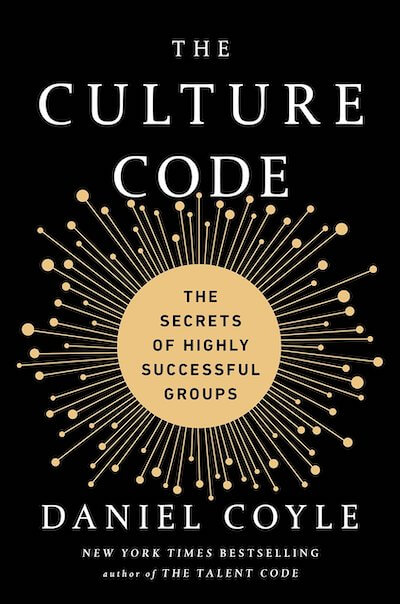
The Culture Code Book Summary
This The Culture Code Book Summary covers the key ideas, lessons, and takeaways in about 20 minutes.
Short Description:
Teams succeed with vulnerability and cooperation; selfish groups fail.
Helps with these goals
Preview the The Culture Code book summary
Below is a preview of Sumizeit’s comprehensive human-written summary of The Culture Code by Daniel Coyle. The full summary is 15-20 minutes long and covers the book’s key ideas in text, audio, visual, and video formats. Unlock the full 20 Minute Summary
It’s no secret that great teamwork can lead a group to victory!
And, likewise, a bad group dynamic can kill a team and squander all its hope for success.
But, what exactly makes a team work well together?
In, “The Culture Code” Daniel Coyle shares his insights on working together, sharing a common goal, and safety and security in a team environment.
“The goal needs to be to get the team right, get them moving in the right direction, and get them to see where they are making mistakes and where they are succeeding.”- Daniel Coyle
Coyle helps YOU to lead your team to victory and helps you to understand the dynamic you must have with your group in order to achieve your common goal.
Group Culture
Group culture is the relationship dynamic of working with a group of people, whether it be family, friends, or co-workers, in the pursuit of a common goal.
Naturally, some groups have wonderful group culture and work well together, while others don’t. This is usually the result of people in the group worrying about themselves individually rather than spending time worrying about the team as a whole. This takes the attention off of the common goal, which leads to failure.
You Must Feel Safe
For group culture to be successful, it must feel safe for all individuals involved. Safety is important because it feels familiar, which makes it easier to open up and connect.
We are the best teammates we can be when we are given external cues to prompt good behavior. For example, having a leader that showers you with compliments and encouragement will help you to feel safe, invite you to take risks, and ultimately let you perform to the best of your ability.
Belonging cues are cues that help people to feel safe in their group. It helps them to feel like they belong.
“Belonging cues are behaviors that create a safe connection in groups. They include, among others, proximity, eye contact, energy, mimicry, turn-taking, attention, body language, vocal pitch, consistency of emphasis, and whether everyone talks to everyone else in the group.”- Daniel Coyle
You Aren’t Perfect
Creating a safe work environment is not always a piece of cake. There is some work that goes along with it.
The most important thing is to let people know that you are listening to them and care about what they have to say. Physical cues that inform people you are listening include tilting your head, raising your eyebrows, and not blinking often. You can choose to say “uh-huh”, “yes”, or any other small utterance that will help them to know you understand what they’re saying.
Another important tip to ensure a safe environment is to let people know that you are not perfect. People don’t want to feel that they are working with someone robotic without weakness. It’s nice to feel a human connection with your team and it definitely helps everyone to work effectively toward their common goal.
Be Vulnerable
As…
Want the complete 20-minute summary?
- Full structured summary
- Video Summary
- Podcast Summary
- Audio summary
- Key takeaways
- Exercises
- Quiz
- Highlights and notes
- Ask the book with AI
Who should read The Culture Code?
The Culture Code is essential for leaders, managers, and team members who want to build high-performing groups. Whether you're running a company, coaching a sports team, or leading any collaborative effort, this book provides the framework to transform group dynamics and unlock collective potential.
Why does The Culture Code matter?
In today's complex work environment, team performance often determines organizational success, yet many leaders don't understand what actually drives effective collaboration. Daniel Coyle reveals that culture isn't something that happens by accident—it's a deliberate practice that begins with psychological safety and vulnerability, making it crucial for anyone seeking to lead effectively.
What are the key themes in The Culture Code?
- Psychological safety as the foundation of high-performing teams
- Vulnerability precedes trust, not the reverse
- Belonging cues and their role in group cohesion
- Clear communication of shared purpose and goals
- Leadership through modeling weakness, not perfection
- The power of repetition in reinforcing team identity
How can you apply ideas from The Culture Code?
- Conduct team meetings where you publicly acknowledge your own mistakes and weaknesses first, setting the tone for honest dialogue
- Implement regular check-ins using active listening techniques—make eye contact, nod, and affirm what team members say with short utterances
- Create a weekly ritual where your team revisits and repeats your shared purpose or team motto to keep goals front and center
- Design collaborative decision-making sessions where team members help shape goals and strategies rather than receiving directives from above
- Establish physical proximity practices like open office layouts or regular in-person team gatherings to increase belonging cues
- Document and celebrate mistakes that were handled well, treating them as learning opportunities rather than failures
- Develop belonging cues specific to your team culture, such as greeting rituals or communication norms that signal inclusion
What common mistakes do readers make with The Culture Code?
- Expecting trust to develop before team members take risks together—when in fact vulnerability and risk-taking must come first
- Projecting an image of perfection as a leader, which actually inhibits psychological safety and prevents others from being honest
- Communicating team goals only once and assuming the message sticks without regular reinforcement and repetition
- Ignoring nonverbal communication and belonging cues while focusing only on what's explicitly said in meetings
Sumizeit Exercises Apply what you've learned
Turn ideas from The Culture Code into action with a short guided reflection: identify the biggest takeaway, connect it to your life, and commit to one step you can take in the next 24 hours.
What is the expert analysis of The Culture Code?
Overview
The Culture Code by Daniel Coyle is a seminal work that delves into the anatomy of successful group dynamics and team culture. Coyle, a New York Times bestselling author and respected journalist with a background in sports and talent development, synthesizes research and real-world examples to uncover how high-performing teams cultivate safety, vulnerability, and shared purpose. His expertise as a special advisor for the Cleveland Indians and his award-winning writing lend credibility and practical insight to the book’s exploration of what makes teams thrive.
Core Thesis
Coyle’s central argument is that the foundation of any successful team is a culture built on psychological safety, open vulnerability, and a clear, repeatedly communicated sense of purpose. He posits that when individuals feel safe to express weaknesses and take risks, they foster trust and cooperation that drive collective success. The “belonging cues” that leaders and members send—through body language, communication, and behavior—are critical signals that create this environment. Ultimately, Coyle asserts that cultivating these elements transforms a group of individuals into a cohesive, high-functioning team aligned around a shared goal.
Strengths
- Practical Framework: Coyle distills complex social and psychological dynamics into accessible concepts such as “belonging cues” and vulnerability, providing actionable strategies for leaders and teams.
- Interdisciplinary Approach: Drawing from psychology, neuroscience, and organizational behavior, the book integrates diverse fields to present a holistic view of culture-building.
- Emphasis on Emotional Intelligence: The focus on empathy, listening, and authentic communication underscores the human element often neglected in business literature.
- Engaging Anecdotes: Real-world examples from sports teams, corporate environments, and families illustrate abstract ideas vividly, enhancing reader engagement and understanding.
- Encouragement of Leadership Humility: Advocating for leaders to show vulnerability counters traditional notions of authoritative leadership, promoting a more collaborative and adaptive style.
Critiques & Counterarguments
- Evidence Base: While compelling, some of Coyle’s claims rely heavily on anecdotal evidence and observational insights rather than rigorous empirical studies, which may limit generalizability.
- Oversimplification of Complex Dynamics: The book occasionally reduces multifaceted organizational challenges to a few cultural levers, potentially underestimating structural and systemic factors influencing team performance.
- Potential Cultural Bias: The emphasis on vulnerability and open communication may not translate seamlessly across all cultural contexts, particularly in societies with hierarchical or indirect communication norms.
- Competing Research: Alternative perspectives in organizational psychology highlight that excessive vulnerability or psychological safety without accountability can lead to complacency or groupthink, suggesting a nuanced balance is required.
- Real-World Constraints: In highly competitive or resource-scarce environments, fostering the idealized culture Coyle describes may be difficult, as external pressures can override internal dynamics.
Who Should Read This
The Culture Code is essential reading for leaders, managers, and organizational developers seeking to understand and improve team dynamics. It is particularly valuable for those in high-stakes, collaborative environments such as business executives, coaches, and project managers who must cultivate trust and alignment among diverse members. Additionally, scholars and students of organizational behavior and psychology will find Coyle’s synthesis a useful springboard for deeper inquiry into culture and performance. Finally, anyone interested in the human aspects of teamwork and leadership will appreciate the book’s accessible yet profound insights.
Frequently asked questions about the The Culture Code book summary
What is The Culture Code about?
The Culture Code by Daniel Coyle is about how to build and maintain high-performing teams by creating a culture of psychological safety, vulnerability, and shared purpose. The book reveals that great team performance depends on specific leadership practices and group dynamics rather than individual talent alone.
Who should read The Culture Code?
The Culture Code is ideal for leaders, managers, coaches, and anyone responsible for team performance—from corporate executives to sports coaches to nonprofit directors. It's also valuable for individual contributors who want to better understand and improve their team dynamics.
What are the main takeaways from The Culture Code?
The main takeaways are: psychological safety must come first, vulnerability actually precedes trust rather than following it, leaders must model imperfection and openness, shared purpose must be repeatedly communicated, and small belonging cues (eye contact, proximity, active listening) have outsized impact on team cohesion.
How does Daniel Coyle define group culture?
Coyle defines group culture as the relationship dynamic that develops when a group of people work together toward a common goal. He emphasizes that successful group culture requires members to prioritize the team's objectives over individual concerns and to maintain psychological safety.
What role does vulnerability play in team success?
In The Culture Code, vulnerability is presented as the catalyst for trust-building and team cohesion. When leaders and team members openly share their weaknesses and limitations, it creates permission for others to be honest, which strengthens group bonds and unlocks collaborative problem-solving.
What are belonging cues and why do they matter?
Belonging cues are specific behaviors and signals—such as eye contact, proximity, active listening, and consistent tone—that communicate to team members they are valued and belong. These cues create the psychological safety necessary for teams to function effectively and take creative risks.
How should leaders communicate team purpose according to The Culture Code?
Coyle emphasizes that leaders should facilitate collaborative decision-making about team purpose rather than imposing goals from above. Additionally, the purpose must be repeated regularly—even through simple catchphrases—to ensure the message sticks and motivates sustained effort.
About Sumizeit
Sumizeit is a profitable Scomy LLC company based in Miami, Florida. Our founders, Clemens Raemy and Weina Scott, are successful entrepreneurs with several exits. Sumizeit is a popular book summary app / micro learning app used by busy professionals and entrepreneurs with over 2,500 non-fiction book summaries and 10,000 podcast summaries in text, audio, visual, podcast, and video format. We also have stellar retention tools to make ideas stick - such as flashcards with spaced repetition, quizzes, streaks, highlighting and notes, daily challenges, riddles, mini-courses, meditation, and more. You won't only learn the idea, but also remember it. Over 90% of our users change their habits with Sumizeit.
Upgrade Now
Here's why readers love Sumizeit
Join thousands of learners getting smarter every day
"Great experience. Detailed summaries. Loved the gamification feature. Makes learning fun. Good customer service. I recommend Sumizeit to anyone. You'll learn a lot."
"I always felt busy but still wanting to keep up with the book discussion in my friend group. This was a great supplement to help me keep reading the books I find fun while keeping up with important books."
"I love this website. Instead of scrolling social media, I find myself learning a lot. I use it everyday. I recommend this app for anyone who is too busy and wants to get up to speed with their favorite books."
The Culture Code Book Summary PDF
Looking for a The Culture Code Book Summary PDF you can save and revisit offline? Our The Culture Code Book Summary PDF captures the book’s core ideas in a clean, printable format — the key frameworks, takeaways, and structure without the fluff. Download the The Culture Code Book Summary PDF when you want a reference you can annotate, share with your team, or review on the go. Get your The Culture Code Book Summary PDF from the download page below.
Download The Culture Code Book Summary PDFPeople also liked these summaries
Readers who explored The Culture Code often enjoyed these titles next.



Ready to read the whole thing?
- Full structured summary
- Video Summary
- Podcast Summary
- Audio summary
- Key takeaways
- Exercises
- Quiz
- Highlights and notes
- Ask the book with AI
Featured Book Titles
Popular Book Summaries at sumizeit, leading book summary app