


As an Amazon Associate, Sumizeit earns from qualifying purchases.
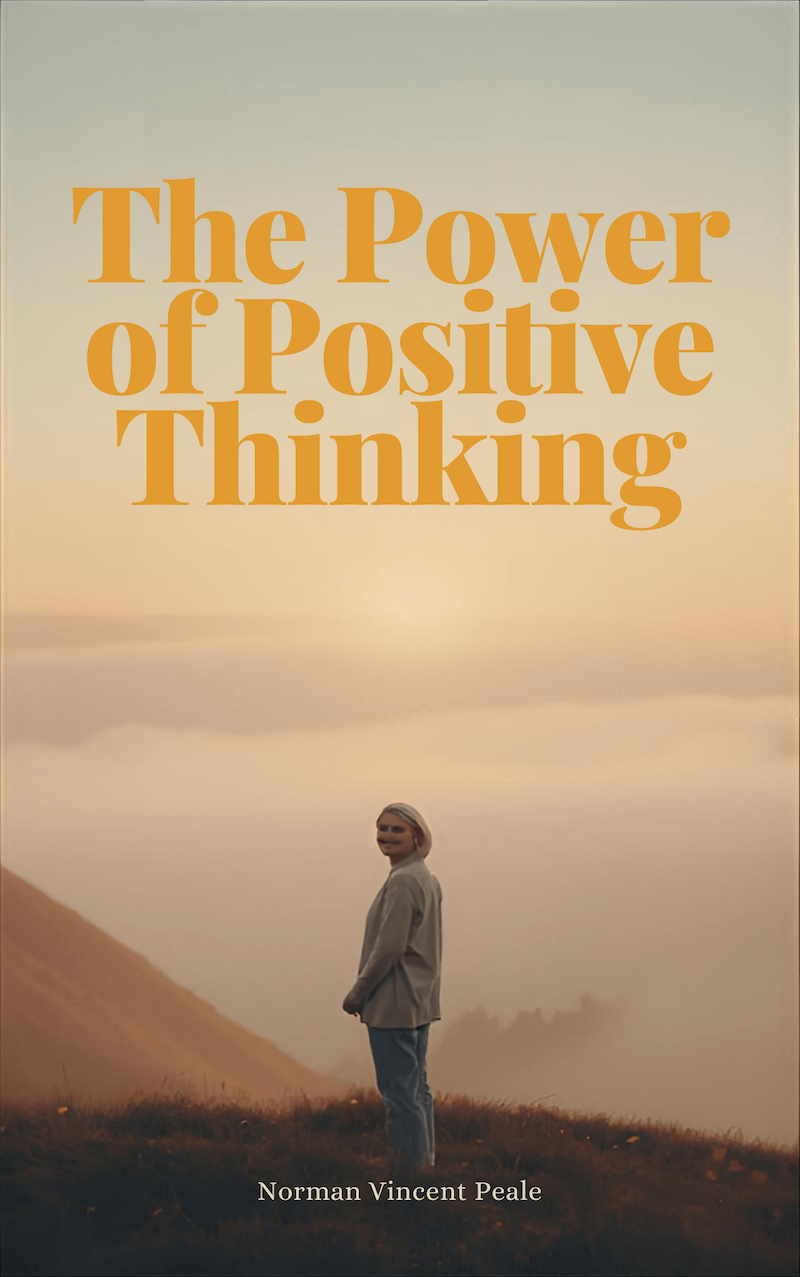
The Power of Positive Thinking Book Summary
This The Power of Positive Thinking Book Summary covers the key ideas, lessons, and takeaways in about 20 minutes.
Helps with these goals
Want the complete 20-minute summary?
- Full structured summary
- Video Summary
- Podcast Summary
- Audio summary
- Key takeaways
- Exercises
- Quiz
- Highlights and notes
- Ask the book with AI
What is in the The Power of Positive Thinking book summary?
Below is a preview of Sumizeit’s expert-written summary of The Power of Positive Thinking by Norman Vincent Peale. The full summary covers the book’s key ideas in text, audio, and video.
The Power of Positive Thinking by Norman Vincent Peale presents a life-changing philosophy that argues that individuals possess far more internal strength and possibility than they often recognize. Peale believes that success, happiness, health, and spiritual fulfillment emerge largely from the way people think and the beliefs they hold about themselves and the world. According to the book, the most powerful tools a person has are faith, optimism, and disciplined mental focus. When these are practiced consistently, they enable individuals to overcome obstacles, release emotional burdens, find solutions to problems, and create a deeply meaningful life. Peale repeatedly insists that the main limitations people face are internal rather than external and that the transformation of thought is the most direct path to transforming experience.
Peale was both a minister and a counselor, and the book reflects a blend of spiritual encouragement and practical psychological advice. While deeply rooted in Christian principles, the methods he teaches are designed to apply to people of all belief backgrounds. The central point is that faith—whether interpreted as trust in God or in a higher source of strength—combined with intentional positive thinking can dramatically alter a person’s experience of life.
Faith as the Foundation of Personal Strength
The book begins with the argument that genuine faith in oneself is essential for achievement and well-being. Many people, Peale observes, struggle under the burden of self-doubt, insecurity, or feelings of inferiority that prevent them from realizing their potential. These emotional constraints often originate from childhood criticism, negative comparisons, failure experiences, or internalized messages that shaped beliefs about capability. Peale asserts that these inner limitations are not facts but mental constructs that can be dismantled through spiritual confidence and mental training.
To overcome an inferiority mindset, he suggests identifying the experiences that created those beliefs, consciously replacing negative internal dialogue, and building a partnership with God as a source of strength. Through prayer, reflection, and deliberate cognitive discipline, individuals can restructure their perception of themselves. By repeatedly reminding oneself of personal strengths and repeating uplifting affirmations, a person rewires habitual thinking patterns and gradually replaces doubt with assurance. Peale teaches that individuals must learn to train the mind to focus on courage instead of fear and on possibility instead of limitation.
Peale recommends several techniques to develop this confidence: visualizing successful outcomes, refusing to exaggerate problems, listing personal strengths, refusing to compare oneself negatively to others, and speaking faith-filled affirmations out loud each day. He explains that belief unlocks power—once a person determines to trust their own ability and trust divine support, hidden reserves of strength become available. Confidence grows as internal thoughts shift, and when this occurs, external opportunities begin to shift as well.
Faith, Healing, and the Connection Between Mind and Body
A major theme in the book is the belief that spiritual and emotional states significantly impact physical health. Peale argues that faith can play an important role in recovery from illness, especially when combined with sound medical treatment.
Want the complete 20-minute summary?
- Full structured summary
- Video Summary
- Podcast Summary
- Audio summary
- Key takeaways
- Exercises
- Quiz
- Highlights and notes
- Ask the book with AI
Who should read The Power of Positive Thinking ?
The Power of Positive Thinking is for anyone struggling with self-doubt, anxiety, or feeling stuck in life—whether you're facing career challenges, health setbacks, or emotional burdens. This book speaks to people of all faith backgrounds who want practical methods to reshape their thinking and unlock their inner potential.
Why does The Power of Positive Thinking matter?
In a world saturated with negativity and self-limiting beliefs, Norman Vincent Peale's classic teaches that your thoughts are the most powerful tool you possess for creating change. This enduring message remains relevant because it addresses the root cause of most struggles: the internal narratives we tell ourselves about what's possible.
What are the key themes in The Power of Positive Thinking ?
- The mind-body connection and faith-based healing
- Self-doubt and inferiority as mental constructs that can be dismantled
- Thoughts directly shape outcomes and create self-fulfilling prophecies
- Emotional burdens like guilt and resentment sabotage success
- Faith as a practical source of strength and problem-solving
- Peace of mind as essential for clarity and resilience
What are the key lessons from the The Power of Positive Thinking book summary?
Belief unlocks hidden reserves of strength
Once you determine to trust your own ability and divine support, internal resources that previously seemed unavailable become accessible. Confidence grows as your internal thoughts shift.
Inferiority is a mental construct, not a fact
Self-doubt and feelings of inadequacy originate from childhood messages and past failures, not from actual inability. These patterns can be restructured through deliberate cognitive discipline.
Replace negative thoughts immediately, don't wrestle with them
The moment a discouraging thought appears, substitute it with a positive one. Over time, this mental reflex becomes habitual and naturally crowds out negativity.
Fear paralyzes; faith mobilizes
Fear stops action and drains strength, while confidence and faith in divine support provide the momentum to persist through obstacles. Courage expands when you confront adversity directly.
Problems shrink when you confront them with faith
Many obstacles appear insurmountable only because they haven't been directly addressed. Placing problems in God's hands reduces anxiety and opens the mind to creative solutions.
Happiness is a deliberate habit, not an accident
You generate unhappiness through dwelling on complaints and fears, and happiness through cultivating gratitude and hopeful thoughts. The habit develops through daily mental practice.
Worry is a breakable habit with three steps
Believe change is possible, mentally drain the worry from your mind, and replace it with courage and confidence. Repetition develops control over anxious patterns.
Emotional burdens poison both mind and body
Guilt, resentment, and fear weaken the body and create vulnerability to illness. Releasing these burdens through forgiveness and trust restores tremendous emotional energy.
Peace of mind opens access to inspiration and clarity
Emotional tension prevents clear thinking, while inner calm allows the mind to recognize solutions and access creative resources that panic obscures.
The subconscious mind solves problems when you stop forcing
When conscious thinking withdraws and you rest in trust, the subconscious continues working. Moments of calm often provide the answers that prolonged strain cannot.
Specific goals create momentum; vague wishes lack power
Clearly defining your single greatest objective and focusing persistently on it concentrates both spiritual faith and personal effort in a way that vague aspirations cannot.
Defeat becomes real only when you mentally accept it
Obstacles shrink and determination increases when you face them with confidence and refuse to admit the possibility of defeat. The mind cannot manufacture what it refuses to believe.
The mind cannot hold two opposing thoughts simultaneously
By filling your mind with hopeful thoughts, you eliminate the space for negativity. This mental shift naturally leads to behavioral changes that eventually transform circumstances.
Being genuinely liked arises from liking others first
Popularity cannot be forced through impression-making. Authentic connection flows from valuing others sincerely and seeing the good in them.
Visualization and affirmation rewire habitual thinking patterns
By repeatedly visualizing successful outcomes and speaking faith-filled affirmations, you gradually reprogram your mind to focus on possibility instead of limitation.
Physical stillness helps restore inner equilibrium
When overwhelmed, sitting quietly and allowing your body to slow down helps drain emotional agitation. Even posture influences inner calm and mental clarity.
Faith enhances medical treatment but doesn't replace it
Spiritual strength combined with sound medical care produces the best outcomes. Faith reduces stress and activates the body's natural healing mechanisms.
Grief heals through feeling deeply and staying active
Allow yourself to grieve fully, but maintain routines and participate in life. Activity redirects emotional energy away from paralysis, and faith in spiritual continuity restores hope.
Comparing yourself negatively to others reinforces limitation
Recognizing your own strengths and refusing to measure yourself against others prevents the mind from accepting false inferiority as truth.
The amount of strength available equals the measure of faith exercised
When you call on a Higher Power with earnest belief that answers will come, you access inner resources far beyond ordinary human capacity.
Want the complete 20-minute summary?
- Full structured summary
- Video Summary
- Podcast Summary
- Audio summary
- Key takeaways
- Exercises
- Quiz
- Highlights and notes
- Ask the book with AI
How can you apply ideas from The Power of Positive Thinking ?
- Start each morning by repeating uplifting affirmations aloud to reprogram your habitual thinking patterns
- Write down problems to clarify facts and calm emotional confusion before attempting solutions
- Practice placing your worries in God's or a higher source's hands through prayer rather than carrying them alone
- Replace negative self-talk the moment it appears with a specific positive statement tailored to your situation
- Visualize successful outcomes before important events to prepare your mind to recognize opportunities
- Develop a daily meditation or silence practice to cultivate inner peace and restore mental clarity
- List your personal strengths and review them when self-doubt arises to counter the inferiority mindset
What common mistakes do readers make with The Power of Positive Thinking ?
- Assuming external circumstances are the primary obstacle rather than examining internal beliefs and thought patterns
- Wrestling with negative thoughts instead of immediately replacing them with positive alternatives
- Setting vague goals and wishes without clearly defining specific, measurable objectives
- Carrying guilt, resentment, and worry as permanent burdens instead of releasing them through forgiveness and trust
Sumizeit Exercises Apply what you've learned
Turn ideas from The Power of Positive Thinking into action with a short guided reflection: identify the biggest takeaway, connect it to your life, and commit to one step you can take in the next 24 hours.
What is the expert analysis of The Power of Positive Thinking ?
Overview
The Power of Positive Thinking, authored by Norman Vincent Peale, stands as a seminal work in the self-improvement and spiritual literature canon. Peale, a minister and counselor, crafted a philosophy that marries Christian faith with practical psychological strategies to empower individuals to harness their internal resources for success, health, and happiness. Published in the mid-20th century, this book has influenced millions worldwide, pioneering the popularization of positive psychology long before it became an academic discipline. Its significance lies in its accessible synthesis of spirituality and mental discipline, offering a framework that transcends religious boundaries and appeals to a broad audience seeking personal transformation.
Core Thesis
At its core, Peale’s thesis posits that the primary determinants of human experience are internal mental states rather than external circumstances. He argues that faith—whether in God or a higher power—combined with disciplined positive thinking, can dismantle self-imposed psychological barriers such as doubt, fear, and guilt. This internal transformation catalyzes tangible improvements in emotional well-being, physical health, problem-solving capacity, and interpersonal relationships. The book asserts that by consciously choosing optimism, cultivating inner peace, and refusing to accept defeat, individuals unlock latent strengths and create a self-fulfilling prophecy of success and fulfillment.
Strengths
- Integration of Spirituality and Psychology: Peale’s unique blend of Christian faith with practical mental techniques offers a holistic approach that addresses both emotional and spiritual dimensions of human experience.
- Practical Techniques: The book provides concrete methods—affirmations, visualization, mental discipline, and prayer—that readers can apply immediately to alter thought patterns and emotional responses.
- Emphasis on Agency and Hope: By framing happiness and success as habits and choices rather than external gifts, Peale empowers readers to take responsibility for their mental states and life trajectories.
- Focus on Emotional and Physical Health Connection: The exploration of how faith and emotional peace contribute to physical healing anticipates contemporary psychosomatic research and mind-body medicine.
- Accessible and Encouraging Tone: Peale’s writing is motivational without being dogmatic, making complex psychological concepts approachable for a general audience.
Critiques & Counterarguments
- Oversimplification of Complex Psychological Issues: Peale’s assertion that internal thought patterns alone can overcome deep-seated emotional problems risks minimizing the complexity of mental health disorders, which often require professional intervention beyond positive thinking and faith.
- Limited Empirical Evidence: The book relies heavily on anecdotal accounts and spiritual conviction rather than rigorous scientific data, which weakens its claims in light of contemporary psychological research emphasizing multifactorial causation.
- Potential for Victim-Blaming: By emphasizing internal attitudes as the primary source of success or failure, the book may inadvertently suggest that those facing adversity are responsible for their plight due to negative thinking, overlooking systemic and external factors.
- Competing Psychological Paradigms: Cognitive-behavioral therapy (CBT), while aligned in promoting thought restructuring, incorporates evidence-based techniques and recognizes the role of environmental and biological factors, offering a more nuanced approach than Peale’s faith-centric model.
- Criticism from Secular and Non-Christian Perspectives: Although Peale claims universality, the reliance on divine partnership may alienate readers who do not share religious beliefs, limiting the book’s applicability across diverse worldviews.
Who Should Read This
This book is ideally suited for readers seeking an inspirational and spiritually infused approach to personal development. It appeals to individuals interested in the intersection of faith and psychology, those grappling with self-doubt or emotional burdens, and anyone drawn to cultivating optimism and resilience through disciplined mental practice. Additionally, readers new to self-help literature will find Peale’s accessible style welcoming. However, those requiring clinically grounded psychological interventions or preferring secular methodologies may find the book’s approach less compelling or insufficient.
Frequently asked questions about the The Power of Positive Thinking book summary
What is The Power of Positive Thinking about?
The Power of Positive Thinking by Norman Vincent Peale is a classic self-help book that argues life is shaped primarily by internal attitudes rather than external conditions. The book teaches that by replacing self-doubt with confidence, practicing faith, cultivating peace of mind, and expecting success rather than failure, you can dramatically transform your life, health, relationships, and achievements.
Who should read The Power of Positive Thinking?
Anyone struggling with self-doubt, anxiety, or feeling limited by their circumstances should read this book. It speaks to people of all faith backgrounds who want practical methods to reshape their thinking, overcome emotional burdens, build confidence, solve problems more effectively, and unlock their inner potential.
What are the main takeaways from The Power of Positive Thinking?
The main takeaways are: happiness is a choice and habit developed through mental practice, success comes from belief and persistence rather than external factors, peace emerges from releasing guilt and worry, obstacles dissolve when confronted with faith and confidence, and the mind's power to shape reality through thought is humanity's greatest untapped resource. By aligning your thoughts with faith and possibility, you access extraordinary inner strength.
How does Norman Vincent Peale suggest overcoming self-doubt?
Peale recommends several concrete techniques: identify the experiences that created negative beliefs, consciously replace negative internal dialogue with affirmations, visualize successful outcomes, list your personal strengths, refuse to compare yourself negatively to others, and build a spiritual partnership as a source of strength. By deliberately rewiring habitual thinking through repetition and practice, you can dismantle inferiority mindsets.
What role does faith play in The Power of Positive Thinking?
Faith is the foundation of the entire philosophy in Peale's book. Whether interpreted as trust in God or reliance on a higher source of strength, faith activates inner resources, reduces anxiety, opens the mind to creative solutions, enhances physical healing, and provides the momentum to persist through difficulties. Peale teaches that the amount of strength available equals the measure of faith you exercise.
Can positive thinking really improve physical health?
According to Peale, emotional and spiritual states significantly impact physical health. The book argues that stress, guilt, fear, and resentment weaken the body and create vulnerability to disease, while peace of mind, hope, and trust restore strength and vitality. Peale emphasizes this is not miraculous but results from the intimate relationship between emotions, the nervous system, and physical function.
What practical techniques does Peale offer for developing positive thinking?
Peale recommends several daily practices: begin each morning with affirmative thoughts, review happy memories during the day, give attention and affirmation to others, replace negative thoughts the moment they appear, practice visualization of desired outcomes, engage in silence or meditation, and clearly define specific goals. These habits, practiced consistently, gradually rewire your mind to naturally favor positivity.
About Sumizeit
Sumizeit is a profitable Scomy LLC company based in Miami, Florida. It has been helping readers learn from nonfiction books for 7 years with expert-written summaries in text, audio, podcast, and video.
Want the complete 20-minute summary?
- Full structured summary
- Video Summary
- Podcast Summary
- Audio summary
- Key takeaways
- Exercises
- Quiz
- Highlights and notes
- Ask the book with AI
Here's why readers love Sumizeit
Join thousands of learners getting smarter every day
"Great experience. Detailed summaries. Loved the gamification feature. Makes learning fun. Good customer service. I recommend Sumizeit to anyone. You'll learn a lot."
"I always felt busy but still wanting to keep up with the book discussion in my friend group. This was a great supplement to help me keep reading the books I find fun while keeping up with important books."
"I love this website. Instead of scrolling social media, I find myself learning a lot. I use it everyday. I recommend this app for anyone who is too busy and wants to get up to speed with their favorite books."
The Power of Positive Thinking Book Summary PDF
Looking for a The Power of Positive Thinking Book Summary PDF you can save and revisit offline? Our The Power of Positive Thinking Book Summary PDF captures the book’s core ideas in a clean, printable format — the key frameworks, takeaways, and structure without the fluff. Download the The Power of Positive Thinking Book Summary PDF when you want a reference you can annotate, share with your team, or review on the go. Get your The Power of Positive Thinking Book Summary PDF from the download page below.
Download The Power of Positive Thinking Book Summary PDFPeople also liked these summaries
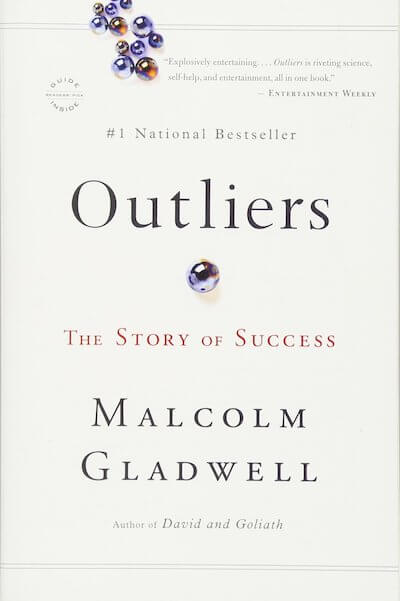
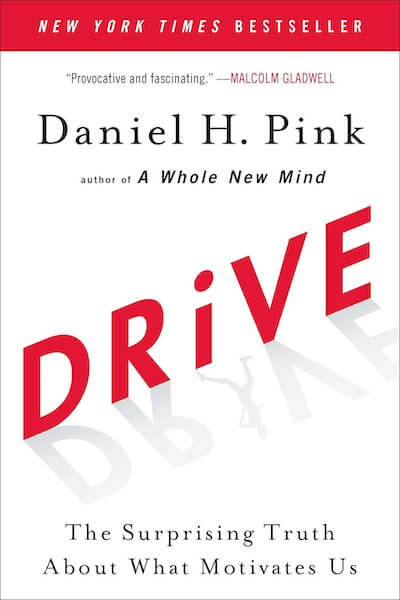
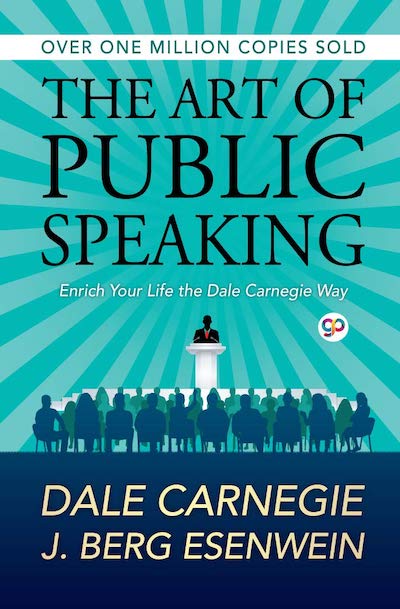
Readers who explored The Power of Positive Thinking often enjoyed these titles next.


Want the complete 20-minute summary?
- Full structured summary
- Video Summary
- Podcast Summary
- Audio summary
- Key takeaways
- Exercises
- Quiz
- Highlights and notes
- Ask the book with AI
Featured Book Titles
Popular Book Summaries at sumizeit, leading book summary app
