


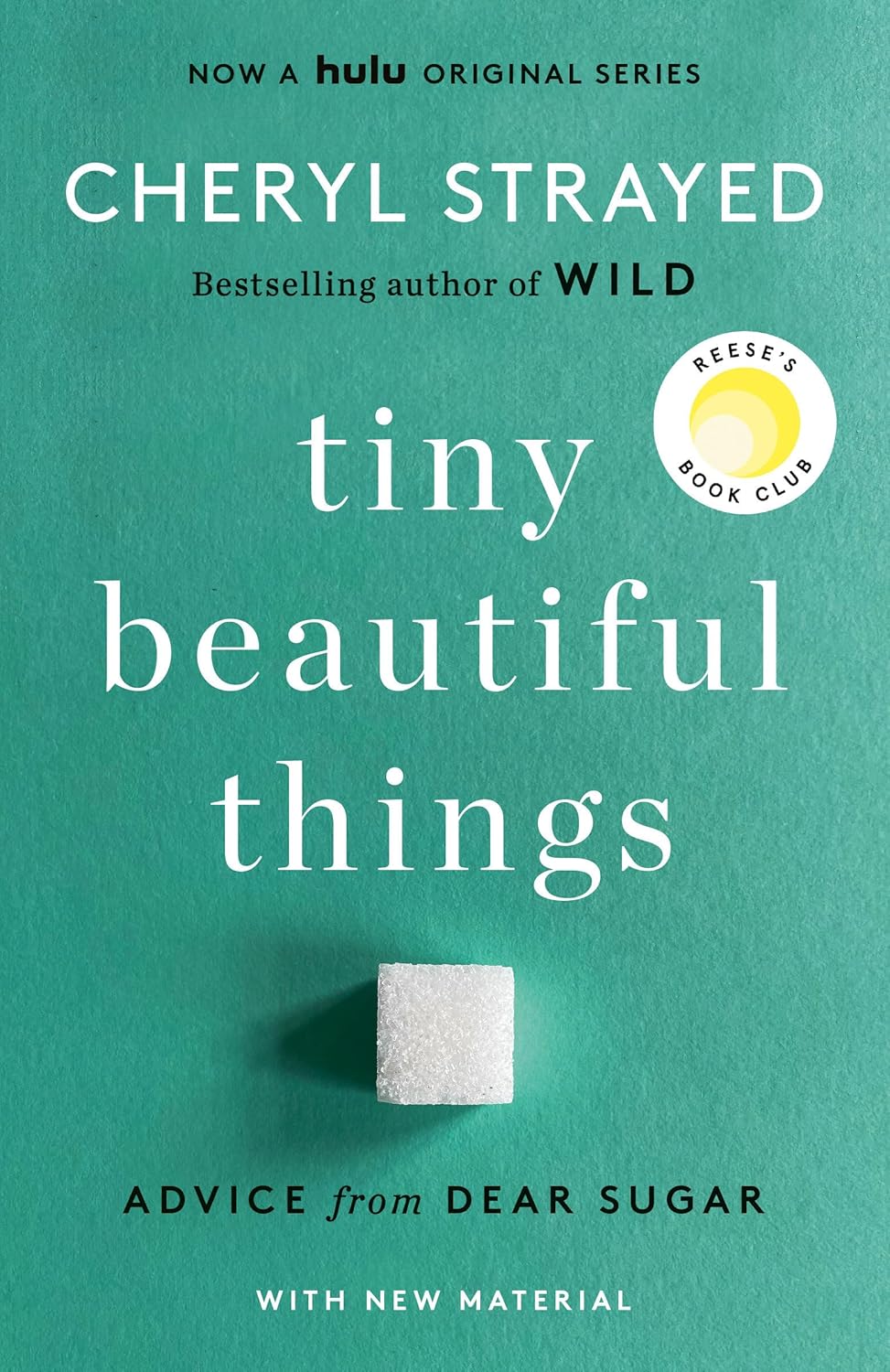
Prefer the print book? Buy on Amazon
As an Amazon Associate, Sumizeit earns from qualifying purchases.
Tiny Beautiful Things: Advice From Dear Sugar Book Summary
This Tiny Beautiful Things: Advice From Dear Sugar Book Summary covers the key ideas, lessons, and takeaways in about 20 minutes.
Short Description:
Tiny Beautiful Things finds beauty through embracing pain and compassion.
Cheryl Strayed shows that brokenness is not the opposite of beauty but one of its essential ingredients. The only way to live fully is to embrace the complexity of our own stories—to meet our pain directly, to care deeply, to choose love again and again, and to look closely for the tiny beautiful things that illuminate even the darkest paths.
Helps with these goals
Want a Free Weekly Read?
Get a free summary every week straight to your mailbox.
Preview the Tiny Beautiful Things: Advice From Dear Sugar book summary
Below is a preview of Sumizeit’s comprehensive human-written summary of Tiny Beautiful Things: Advice From Dear Sugar by Cheryl Strayed. The full summary is 15-20 minutes long and covers the book’s key ideas in text, audio, visual, and video formats. Unlock the full 20 Minute Summary
Tiny Beautiful Things by Cheryl Strayed is a powerful and deeply human collection of advice pieces originally published under the anonymous persona “Sugar” in The Rumpus advice column. What makes this book exceptional is not that it offers simple solutions or neat conclusions, but that it dares to confront the raw realities of being alive: heartbreak, grief, longing, confusion, identity, resilience, and the desperate hope that tomorrow will be more bearable than today. Through the mosaic of letters she receives—some heartbreaking, some humorous, some painful, some angry—Strayed responds not with platitudes, but with fierce honesty and radical empathy. Each response becomes a mirror, reflecting back to the reader their own vulnerabilities and highest hopes.
Rather than prescribing formulas, she shares stories from her own life: losing her mother young, wrestling with addiction, rescuing herself through writing, rebuilding after heartbreak, and learning again and again that love is both fierce and fragile. Her words remind us that wisdom emerges not from perfection, but from stumbling, breaking, healing, and continuing on. The book is a reminder that suffering is universal, but so is the capacity for transformation.
In this collection, Strayed teaches that our deepest wounds do not disqualify us from joy; rather, they make us capable of deeper empathy and connection. Life may fracture us, but beauty survives in small acts of courage, in choosing honesty, and in loving even when love feels impossible.
Love as a Complicated, Courageous Commitment
Strayed emphasizes that real love is not smooth or effortless. It is tangled, unpredictable, and rarely resembles the cinematic fantasy we are taught to expect. Many of the letters to Sugar involve betrayal, disappointment, or the ache of misunderstanding. Strayed tells her readers that love thrives not because people magically fit together, but because they choose to stay engaged even when it hurts. Love requires daily choices: communicating even when silence is easier, forgiving when bitterness feels more justified, showing tenderness when anger demands expression.
She rejects the notion that love should be easy if it is true. Instead, she shows that conflict is inherent in intimacy, and that growth occurs only when partners dare to tell the truth. She encourages readers to admit when they are wrong, listen without defensiveness, and honor the humanity of the person in front of them. Love asks us to show up—not even knowing what the outcome will be.
One example from the book involves a partner struggling to rebuild trust after infidelity. Many advice columns would reduce the decision to stay or leave to a binary answer. Strayed refuses. Instead, she asks the reader to examine what they value, what they fear, what forgiveness means, and whether love still lives beneath the wound. Her response teaches that reconciliation is not passive—it is the hardest work two people will ever do. It is both possible and costly.
Forgiveness and Self-Acceptance as Lifelong Work
Strayed describes forgiveness as an exhausting climb rather than a singular revelation.
Want the complete 20-minute summary?
- Full structured summary
- Video Summary
- Podcast Summary
- Audio summary
- Key takeaways
- Exercises
- Quiz
- Highlights and notes
- Ask the book with AI
Who should read Tiny Beautiful Things: Advice From Dear Sugar?
Tiny Beautiful Things is for anyone navigating heartbreak, grief, loss, or life's difficult decisions. It speaks to people seeking honest wisdom rather than quick fixes—those willing to examine their relationships, their choices, and themselves with unflinching honesty. Readers drawn to memoir, personal essays, or authentic voices will find profound resonance in Cheryl Strayed's compassionate guidance.
Why does Tiny Beautiful Things: Advice From Dear Sugar matter?
In a world that often demands we hide our pain and present polished versions of ourselves, Cheryl Strayed's Tiny Beautiful Things offers radical permission to be broken, uncertain, and still worthy. The book addresses universal human struggles—love, grief, forgiveness, and meaning—with the kind of fierce empathy that feels increasingly rare. It teaches that vulnerability is not weakness and that our deepest wounds can become sources of wisdom and connection rather than shame.
What are the key themes in Tiny Beautiful Things: Advice From Dear Sugar?
- Love as an active choice rather than a feeling
- Forgiveness as an ongoing practice, not a singular moment
- The necessity of boundaries for emotional survival
- Vulnerability as the foundation of authentic connection
- Grief as a transformative landscape to inhabit
- Finding meaning and beauty within suffering
- Trusting your instincts even when afraid
- Radical empathy as a practice that heals
How can you apply ideas from Tiny Beautiful Things: Advice From Dear Sugar?
- When facing a difficult relationship decision, ask yourself what you truly value, what you fear, and whether love still exists beneath the wound rather than seeking a binary yes-or-no answer
- Practice setting boundaries by clearly stating what you need and consistently honoring those limits, treating them as acts of self-respect rather than acts of rejection
- When grieving loss, create space for direct expression of your pain through writing, conversation, or ritual rather than trying to move past it quickly
- In conflicts with loved ones, choose difficult honesty and active listening over comfortable silence or defensiveness
- Identify one persistent inner voice telling you what needs to change, and take one small step toward that truth despite fear
- Cultivate the habit of noticing tiny beautiful things—small kindnesses, moments of clarity, unexpected courage—as antidotes to despair
- When struggling with guilt or shame, ask whether clinging to these feelings serves growth or merely prevents it, then consciously choose to move forward
What common mistakes do readers make with Tiny Beautiful Things: Advice From Dear Sugar?
- Believing that love should be effortless if it is true, rather than recognizing that lasting love requires daily choices and honest conversation
- Avoiding grief instead of facing it directly, which only prolongs the healing process and prevents integration of loss
- Equating boundaries with cruelty or unkindness, when in fact boundaries are essential for protecting emotional integrity and preventing resentment
- Waiting for certainty before making a difficult life decision, when in fact courage means stepping forward despite fear and not knowing the outcome
Sumizeit Exercises Apply what you've learned
Turn ideas from Tiny Beautiful Things: Advice From Dear Sugar into action with a short guided reflection: identify the biggest takeaway, connect it to your life, and commit to one step you can take in the next 24 hours.
What is the expert analysis of Tiny Beautiful Things: Advice From Dear Sugar?
Overview
Tiny Beautiful Things: Advice From Dear Sugar is a remarkable collection of advice columns penned by Cheryl Strayed under the pseudonym “Sugar.” Strayed, an acclaimed American writer and memoirist, is celebrated for her candid exploration of grief, resilience, and emotional authenticity. This book transcends conventional self-help by weaving raw human experience with profound empathy, offering readers not just guidance but a mirror to their own vulnerabilities and hopes. Its significance lies in its refusal to sanitize pain or offer facile solutions, instead embracing complexity and the messy realities of life.
Core Thesis
At the heart of Tiny Beautiful Things is the conviction that human suffering is both universal and transformative. Strayed argues that healing and growth emerge not from perfection or avoidance of pain, but through radical honesty, vulnerability, and empathy. Love, forgiveness, boundaries, and courage are presented as ongoing practices rather than destinations. The author insists that embracing life’s contradictions—its heartbreak alongside its beauty—is essential to living fully and authentically.
Strengths
- Radical Empathy and Authenticity: Strayed’s responses eschew platitudes, instead offering fierce honesty and deep compassion that validate the reader’s experience.
- Integration of Personal Narrative: By sharing her own struggles with loss, addiction, and heartbreak, Strayed grounds her advice in lived reality, enhancing credibility and emotional resonance.
- Complexity over Simplification: The book resists easy answers, acknowledging the ambiguity and difficulty inherent in love, forgiveness, and healing.
- Emphasis on Boundaries and Self-Respect: Strayed’s nuanced discussion of boundaries as acts of love challenges common misconceptions and empowers readers to protect their emotional well-being.
- Universal Accessibility: The mosaic of letters and topics ensures a broad relevance, touching on themes that resonate across diverse human experiences.
Critiques & Counterarguments
- Subjectivity and Anecdotal Basis: While Strayed’s personal stories enrich the text, they also limit the scope of evidence. The advice is largely experiential rather than empirically validated, which may not satisfy readers seeking rigorous psychological frameworks.
- Potential Overemphasis on Individual Agency: The book foregrounds personal courage and choice, but may underplay structural or systemic factors influencing suffering and healing, such as socioeconomic conditions or cultural contexts.
- Romanticizing Vulnerability: Although vulnerability is portrayed as strength, some psychological research warns that indiscriminate openness can expose individuals to harm, especially in unsupportive environments.
- Competing Schools of Thought: Cognitive-behavioral approaches, for example, emphasize reframing thoughts and behaviors more than emotional catharsis and radical empathy. Readers aligned with such methods might find Strayed’s approach less actionable.
- Risk of Emotional Overwhelm: The book’s intense focus on confronting pain directly might be challenging for readers in acute distress, who may require more structured therapeutic interventions before engaging with such material.
Who Should Read This
Tiny Beautiful Things is ideally suited for readers who seek emotional depth and authenticity rather than quick fixes. It appeals to those grappling with grief, relationship complexities, or existential questions, and who value empathy and narrative wisdom. Therapists, counselors, and those interested in the intersection of storytelling and healing will find it a rich resource. Additionally, readers drawn to memoir and literary nonfiction will appreciate Strayed’s lyrical prose and heartfelt insights. This book is less suited for those seeking prescriptive, evidence-based self-help manuals or academic psychological texts.
Frequently asked questions about the Tiny Beautiful Things: Advice From Dear Sugar book summary
What is Tiny Beautiful Things: Advice From Dear Sugar about?
Tiny Beautiful Things: Advice From Dear Sugar by Cheryl Strayed is a collection of advice columns originally published anonymously under the persona 'Sugar.' The book addresses universal human struggles—love, grief, loss, forgiveness, boundaries, and meaning—with fierce honesty and radical empathy rather than simple solutions. Through letters from readers and Strayed's responses, the book explores how suffering, vulnerability, and authenticity are central to living fully and finding beauty even in brokenness.
Who should read Tiny Beautiful Things: Advice From Dear Sugar?
Tiny Beautiful Things is for anyone navigating heartbreak, grief, major life decisions, or relationship challenges who seeks honest wisdom rather than quick fixes. It resonates with readers drawn to personal essays, memoir, and authentic voices—those willing to examine their own pain and choices without flinching. The book speaks to people seeking permission to be vulnerable, imperfect, and still worthy.
What are the main takeaways from Tiny Beautiful Things: Advice From Dear Sugar?
The main takeaways are that real love requires daily choices and difficult conversations; forgiveness is an ongoing practice, not a single moment; boundaries are acts of self-love, not cruelty; and vulnerability is the foundation of authentic connection. Strayed teaches that suffering is not proof of failure but part of being human, and that healing requires facing pain directly, choosing honesty, and learning to see beauty within struggle. Ultimately, brokenness is not the opposite of beauty—it is one of beauty's essential ingredients.
Does Tiny Beautiful Things offer practical advice or just emotional wisdom?
Tiny Beautiful Things balances emotional depth with practical insight. While Strayed does not offer formulaic solutions, she provides actionable guidance on setting boundaries, processing grief, making difficult decisions, and practicing radical empathy. The book is grounded in lived experience and real letters from readers, making the wisdom both theoretically sound and practically applicable to readers' own lives.
How does Cheryl Strayed's personal experience shape the advice in Tiny Beautiful Things?
Strayed's personal experiences of losing her mother young, struggling with addiction, surviving heartbreak, and rebuilding her life through writing deeply inform her advice. She does not speak from theory but from lived transformation, which gives her guidance authenticity and credibility. Her willingness to share her own vulnerabilities and failures makes her responses feel like guidance from someone who understands the cost of suffering and the possibility of healing.
Is Tiny Beautiful Things just for people in crisis, or does it have value for others?
While the book addresses crisis moments and deep pain, it has value for anyone seeking to live more authentically and compassionately. Readers will benefit from Strayed's insights on love, forgiveness, vulnerability, and meaning regardless of whether they are currently in crisis. The book offers a framework for understanding the human experience more deeply and practicing radical empathy toward yourself and others.
What makes Tiny Beautiful Things different from other advice books?
Unlike many advice books that offer step-by-step solutions or positive thinking platitudes, Tiny Beautiful Things refuses to soften the harsh realities of being human. Strayed emphasizes complexity, acknowledges that there are no perfect answers, and prioritizes empathy and authenticity over certainty. Her approach treats readers as intelligent, capable people who need witness and honesty rather than prescriptions, which is what makes her guidance feel revolutionary and enduring.
About Sumizeit
Sumizeit is a profitable Scomy LLC company based in Miami, Florida. Our founders, Clemens Raemy and Weina Scott, are successful entrepreneurs with several exits. Sumizeit is a popular book summary app / micro learning app used by busy professionals and entrepreneurs with over 2,500 non-fiction book summaries and 10,000 podcast summaries in text, audio, visual, podcast, and video format. We also have stellar retention tools to make ideas stick - such as flashcards with spaced repetition, quizzes, streaks, highlighting and notes, daily challenges, riddles, mini-courses, meditation, and more. You won't only learn the idea, but also remember it. Over 90% of our users change their habits with Sumizeit.
Upgrade Now
Here's why readers love Sumizeit
Join thousands of learners getting smarter every day
"Great experience. Detailed summaries. Loved the gamification feature. Makes learning fun. Good customer service. I recommend Sumizeit to anyone. You'll learn a lot."
"I always felt busy but still wanting to keep up with the book discussion in my friend group. This was a great supplement to help me keep reading the books I find fun while keeping up with important books."
"I love this website. Instead of scrolling social media, I find myself learning a lot. I use it everyday. I recommend this app for anyone who is too busy and wants to get up to speed with their favorite books."
Tiny Beautiful Things: Advice From Dear Sugar Book Summary PDF
Looking for a Tiny Beautiful Things: Advice From Dear Sugar Book Summary PDF you can save and revisit offline? Our Tiny Beautiful Things: Advice From Dear Sugar Book Summary PDF captures the book’s core ideas in a clean, printable format — the key frameworks, takeaways, and structure without the fluff. Download the Tiny Beautiful Things: Advice From Dear Sugar Book Summary PDF when you want a reference you can annotate, share with your team, or review on the go. Get your Tiny Beautiful Things: Advice From Dear Sugar Book Summary PDF from the download page below.
Download Tiny Beautiful Things: Advice From Dear Sugar Book Summary PDFPeople also liked these summaries
Readers who explored Tiny Beautiful Things: Advice From Dear Sugar often enjoyed these titles next.


Ready to read the whole thing?
- Full structured summary
- Video Summary
- Podcast Summary
- Audio summary
- Key takeaways
- Exercises
- Quiz
- Highlights and notes
- Ask the book with AI
Featured Book Titles
Popular Book Summaries at sumizeit, leading book summary app