


As an Amazon Associate, Sumizeit earns from qualifying purchases.
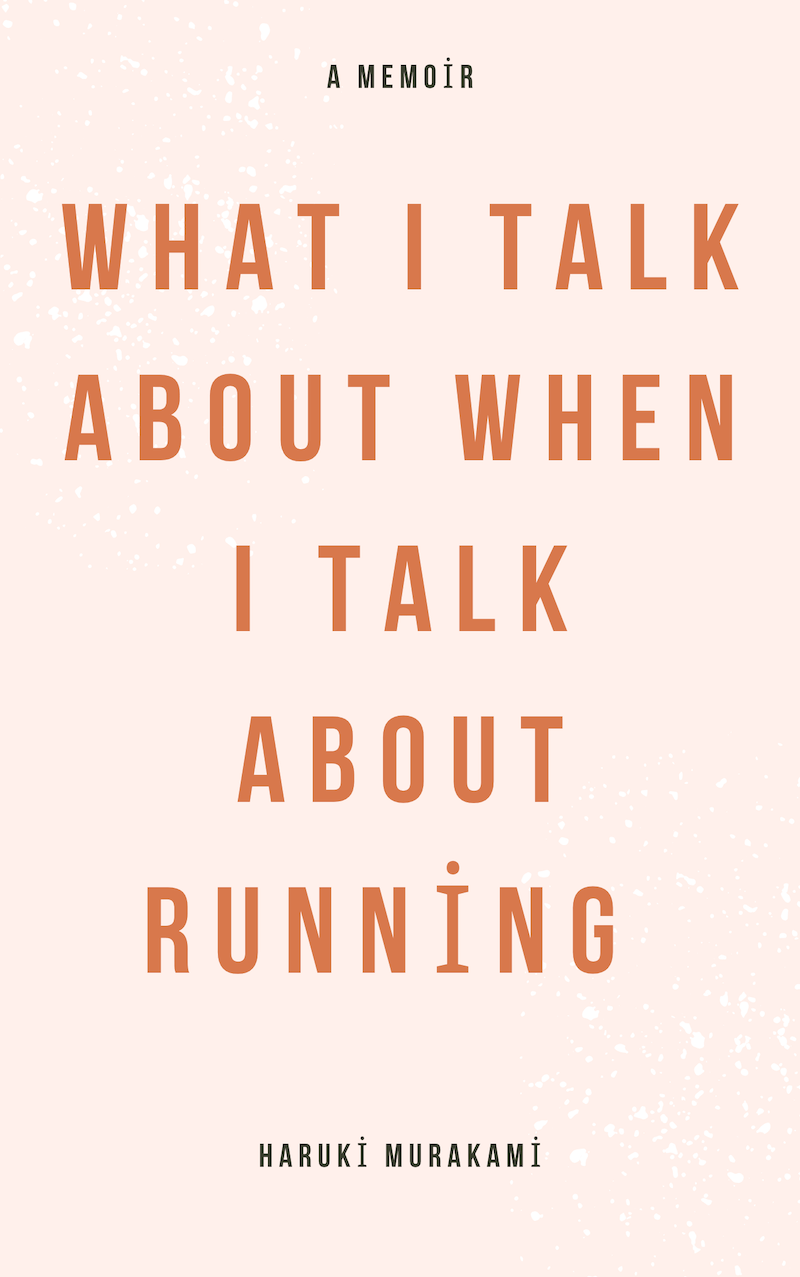
What I Talk About When I Talk About Running Book Summary
This What I Talk About When I Talk About Running Book Summary covers the key ideas, lessons, and takeaways in about 20 minutes.
Helps with these goals
Want the complete 20-minute summary?
- Full structured summary
- Video Summary
- Podcast Summary
- Audio summary
- Key takeaways
- Exercises
- Quiz
- Highlights and notes
- Ask the book with AI
What is in the What I Talk About When I Talk About Running book summary?
Below is a preview of Sumizeit’s expert-written summary of What I Talk About When I Talk About Running by Haruki Murakami. The full summary covers the book’s key ideas in text, audio, and video.
Haruki Murakami’s What I Talk About When I Talk About Running is a reflective memoir that intertwines the physical world of long-distance running with the deeply internal world of writing fiction. Instead of presenting a chronological biography or an athletic training manual, the book is an introspective exploration of how running has shaped Murakami’s identity, discipline, emotional resilience, and creative process. He uses running as a lens through which to examine ambition, endurance, self-discovery, aging, solitude, and the slow transformation that unfolds over years of consistent effort. The memoir drifts fluidly between past events, personal philosophy, and present reflections, revealing the quiet but profound role running plays in sustaining his life as a writer.
Running as a Mirror for the Inner Life
Murakami portrays running as a place where his outer physical effort becomes a portal into internal clarity. Long-distance running, for him, is not simply a means to maintain fitness or compete; it is an intimate mental space where he confronts his thoughts, motivations, fears, and limitations. The solitude of running creates an environment where external noise fades and unresolved questions can naturally rise to the surface. In long, uninterrupted stretches, stripped of distraction, he gains insight into his emotional state and personal identity.
The rhythm of steady movement helps him process experiences and reduce the chaos of everyday life. Running becomes a form of emotional grounding and mental cleansing. He finds that the simplicity of bodily exertion—breath, steps, sweat—connects him to a deeper, more peaceful self. In this way, running serves as both a mirror and a tool: it reveals who he truly is beneath layers of obligation and expectation, and it helps him evolve that self over time.
Endurance as the Foundation of Personal Growth
One of the central ideas in the memoir is that endurance is more essential than innate talent or inspiration, whether in athletics or creative work. Murakami argues that perseverance—the ability to continue when progress is slow, when discomfort is intense, or when motivation falters—is what determines long-term achievement. He reflects on how running miles daily, regardless of mood or weather, trained him to push beyond fleeting emotions and cultivate durable inner strength.
Endurance, he explains, is fundamentally realistic: there are days when the legs feel heavy, when the body aches, when the desire to stop is overwhelming. But honoring a commitment through difficulty is where real transformation happens. He distinguishes pain, which is an unavoidable aspect of growth, from suffering, which he views as the internal resistance we create when we refuse to accept reality. Learning to accept pain without dramatizing it builds emotional fortitude. Endurance becomes not just an athletic principle but a way of living: a refusal to retreat in the face of challenges and a willingness to build progress slowly and steadily.
Routine as the Structure of Creative Discipline
Murakami repeatedly emphasizes the necessity of structure. When he transitioned from owning a jazz club to becoming a novelist, he needed a framework that gave his creative work stability and…
Want the complete 20-minute summary?
- Full structured summary
- Video Summary
- Podcast Summary
- Audio summary
- Key takeaways
- Exercises
- Quiz
- Highlights and notes
- Ask the book with AI
Who should read What I Talk About When I Talk About Running?
This book is essential for writers, artists, and creative professionals seeking to understand how discipline and routine fuel meaningful work. It also resonates with anyone interested in how physical practice—particularly long-distance running—mirrors and supports personal growth and self-discovery. Readers who struggle with motivation, perfectionism, or the tension between ambition and well-being will find Murakami's philosophy deeply relevant.
Why does What I Talk About When I Talk About Running matter?
In a culture that often celebrates sudden inspiration and quick results, Murakami's reflections on the unglamorous reality of sustained effort offer an urgent counterpoint. His memoir addresses universal challenges—how to maintain focus amid chaos, how to age gracefully, how to define success on your own terms—through the lens of both athletics and creative work. The book demonstrates that the practices we adopt to care for our bodies and minds directly shape the quality and longevity of our contributions to the world.
What are the key themes in What I Talk About When I Talk About Running?
- Endurance and perseverance as foundations of achievement
- The necessity of routine and discipline for creative work
- Solitude as essential to clarity and self-discovery
- Redefining success through internal rather than external measures
- The meditative and spiritual dimensions of physical practice
- Accepting pain and limitation while adapting to change
- Balance between intellectual work and physical well-being
- Identity as something built gradually through daily effort
What are the key lessons from the What I Talk About When I Talk About Running book summary?
Talent is Less Important Than Showing Up
Consistent daily effort and commitment matter far more than innate ability or inspiration when pursuing long-term goals. Murakami argues that the willingness to continue working, regardless of mood or circumstance, ultimately determines success in both running and writing.
Running as a Mirror for the Inner Self
Long-distance running creates a unique mental space where external distractions fade, allowing deeper self-awareness and emotional processing. The solitude and rhythm of distance running reveal who we are beneath layers of expectation and obligation.
Routine Protects Creative Energy
A predictable daily structure—writing, running, rest—conserves mental energy and reduces decision fatigue, leaving greater capacity for genuine creative work. Inspiration arrives when you consistently show up to work, not when you passively wait for motivation.
Pain Is Inevitable; Suffering Is Optional
Murakami distinguishes between physical or emotional pain, which is unavoidable in growth, and suffering, which we create through resistance and dramatization. Learning to accept pain without adding layers of resistance builds real emotional resilience.
Listening to Your Body Requires Wisdom, Not Weakness
Respecting physical signals and adjusting goals as circumstances change is not surrender but intelligent adaptation. Ignoring discomfort leads to breakdown; honoring the body's needs while challenging yourself creates sustainable progress.
Comparison Undermines Inner Peace
Measuring yourself against others breeds anxiety and disappointment, while improving gradually against your former self creates lasting fulfillment. Self-respect and internal growth matter far more than applause or external validation.
Failure Is Information, Not Identity
Setbacks in running or writing become valuable teachers when treated as learning opportunities rather than personal defeats. Character develops through recovering from difficulty, not through avoiding it.
Solitude Is Essential for Creativity
Time alone, away from social demands and external noise, allows the creative mind to function at its deepest level. Running provides socially acceptable privacy that enables both mental restoration and genuine creative insight.
The Meditative State Emerges Only With Time
The profound clarity and peace that come from long-distance running cannot be rushed; they emerge only after pushing past initial discomfort. Once reached, this meditative state becomes a powerful tool for problem-solving and emotional regulation.
Physical and Mental Well-being Are Interdependent
Intense intellectual work without physical balance leads to burnout and mental deterioration. The counterweight of physical activity anchors the mind and protects the emotional resources needed for sustained creative effort.
Success Must Be Redefined With Time
As circumstances and capacities change, holding onto old definitions of achievement creates frustration and despair. Flexibility in redefining goals—from speed to sustainability, from winning to continuing—opens new forms of meaning and satisfaction.
Commitment Matters More Than Perfection
True fulfillment comes not from achieving flawless performance but from the quiet satisfaction of showing up fully, day after day. The long arc of effort, not individual perfect moments, defines a meaningful life.
Small, Consistent Actions Build Identity
Who you become is shaped far more by repeated daily choices than by dramatic gestures or exceptional efforts. Running every day or writing every day gradually transforms your sense of self.
Accepting Reality Reduces Unnecessary Suffering
Resistance to what is happening amplifies pain; acceptance allows you to meet difficulties with clarity and flexibility. This mindfulness principle applies equally to athletic setbacks and creative blocks.
Internal Standards Provide Lasting Motivation
Personal conviction and internally defined goals sustain motivation far longer than external rewards or social approval. Murakami's decision to leave business to pursue writing reflects how integrity becomes a more reliable compass than market validation.
The Body and Mind Are Not Separate
Running is not merely physical exercise but a practice that shapes thought, emotion, and creative capacity. The integration of body and mind creates resilience that neither alone can achieve.
Monotony Is a Feature, Not a Bug
The repetitive, seemingly boring nature of daily running and writing actually frees the mind to work at deeper levels. Variety and novelty, while sometimes appealing, fragment focus and prevent meaningful progress.
Humility Grows Through Physical Challenge
Running teaches visceral respect for the body's limits and the reality of human vulnerability. This humility carries into creative and professional life, reducing arrogance and increasing openness to growth.
The Journey Itself Is the Destination
Murakami's philosophy rejects the idea that meaning lies only in finishing lines or final publications. The daily practice of running and writing, sustained over decades, becomes the actual substance of a meaningful life.
Want the complete 20-minute summary?
- Full structured summary
- Video Summary
- Podcast Summary
- Audio summary
- Key takeaways
- Exercises
- Quiz
- Highlights and notes
- Ask the book with AI
How can you apply ideas from What I Talk About When I Talk About Running?
- Establish a non-negotiable daily routine that includes time for both focused work and physical activity, regardless of mood or circumstance
- When facing creative blocks or professional stagnation, use solo physical practice as a tool for clarity and problem-solving
- Redefine success for yourself independently of external benchmarks, measuring progress against your former self rather than others
- Create extended periods of solitude in your schedule to allow deep mental work and emotional processing without distraction
- When encountering setbacks or failures, treat them as information and learning opportunities rather than reflections of your worth
- Build in regular reflection on how your physical well-being affects your mental clarity and creative capacity
- Adjust your goals and definitions of achievement as your circumstances, age, and capacity change, rather than clinging to outdated metrics
What common mistakes do readers make with What I Talk About When I Talk About Running?
- Waiting for inspiration before beginning work, rather than understanding that consistent effort creates the conditions for inspiration
- Abandoning your routine when life feels chaotic, when maintaining structure is most necessary for stability
- Comparing your progress and achievements directly to others' accomplishments, which undermines both motivation and peace of mind
- Ignoring physical signals of exhaustion or injury in pursuit of goals, leading to breakdown rather than sustainable growth
Sumizeit Exercises Apply what you've learned
Turn ideas from What I Talk About When I Talk About Running into action with a short guided reflection: identify the biggest takeaway, connect it to your life, and commit to one step you can take in the next 24 hours.
What is the expert analysis of What I Talk About When I Talk About Running?
Overview
What I Talk About When I Talk About Running is a contemplative memoir by Haruki Murakami, a literary figure celebrated for his blend of surrealism and philosophical depth. Unlike his fictional works, this book offers an intimate glimpse into the author’s personal relationship with running and its profound influence on his identity and creative process. Murakami, a prolific novelist and seasoned endurance athlete, uniquely bridges the worlds of physical discipline and artistic endeavor, making this memoir significant not only as a personal narrative but also as a meditation on endurance, solitude, and the craft of creativity.
Core Thesis
At its heart, Murakami’s memoir posits that endurance—cultivated through the disciplined practice of long-distance running—is foundational to both personal growth and creative productivity. He argues that sustained effort, rather than innate talent or fleeting inspiration, shapes identity and achievement. Running serves as a metaphor and practical framework for navigating life’s challenges, fostering emotional resilience, self-awareness, and a meditative clarity that underpins his writing. The book asserts that embracing pain and monotony with acceptance and persistence leads to transformation, while solitude and routine create the conditions for authentic creative work and well-being.
Strengths
- Interdisciplinary Insight: Murakami deftly intertwines physical endurance with psychological and creative processes, offering a nuanced exploration of how bodily discipline informs mental and emotional states.
- Philosophical Depth: The memoir transcends a simple athletic narrative by probing themes of identity, aging, failure, and self-defined success, enriching the reader’s understanding of human perseverance.
- Honest Reflection: Murakami’s candid discussion of setbacks, physical limitations, and shifting goals with age lends authenticity and humility, avoiding romanticized portrayals of discipline.
- Elegant Prose and Structure: The fluid, non-linear narrative mirrors the meditative rhythm of running itself, inviting readers into a contemplative space that echoes the author’s internal journey.
- Integration of Routine and Creativity: The memoir compellingly argues for the importance of structure and consistency in creative work, challenging myths of inspiration as spontaneous and uncontrollable.
Critiques & Counterarguments
- Limited Scope of Evidence: The memoir is intensely personal and anecdotal, relying on Murakami’s individual experience rather than broader empirical research, which may limit its generalizability.
- Potential Oversimplification of Endurance: The valorization of endurance risks underestimating the complexity of motivation, mental health, and external factors that influence persistence, which can vary widely across individuals.
- Neglect of Social and Cultural Contexts: The memoir focuses on solitary discipline but pays less attention to the social dimensions of creativity and achievement, such as collaboration, community support, or systemic barriers.
- Contrasting Psychological Perspectives: Some research in psychology emphasizes the importance of rest, play, and spontaneity for creativity, challenging Murakami’s emphasis on relentless routine and endurance as the primary drivers of creative success.
- Alternative Views on Failure and Success: While Murakami frames failure as a source of strength, other schools of thought highlight the risks of internalizing failure or the necessity of structural change rather than individual perseverance alone.
Who Should Read This
This memoir is ideal for readers interested in the intersection of physical discipline and creative practice, particularly those who seek insight into sustaining long-term productivity and personal growth. It will resonate with endurance athletes, writers, artists, and anyone grappling with the challenges of balancing ambition, routine, and well-being. Additionally, readers drawn to reflective, philosophical meditations on aging, solitude, and self-motivation will find Murakami’s narrative both inspiring and instructive. However, those looking for a rigorous, research-based guide to creativity or athletic training may find the book’s introspective style less prescriptive.
Frequently asked questions about the What I Talk About When I Talk About Running book summary
What is What I Talk About When I Talk About Running about?
What I Talk About When I Talk About Running is Haruki Murakami's reflective memoir exploring how long-distance running has shaped his identity, discipline, and creative process as a writer. Rather than a training manual or chronological biography, the book uses running as a lens to examine endurance, solitude, self-discovery, and the quiet power of consistent daily effort in both athletic and creative pursuits.
Who should read What I Talk About When I Talk About Running?
This memoir speaks to writers, artists, and creative professionals seeking to understand how discipline fuels meaningful work, as well as anyone interested in how physical practice supports personal growth. It also resonates strongly with readers struggling with motivation, perfectionism, aging, or the challenge of defining success on their own terms.
What are the main takeaways from What I Talk About When I Talk About Running?
The central insight is that meaningful progress comes from consistent daily effort rather than talent or inspiration, and that solitude is essential for both creativity and inner peace. Murakami demonstrates that true success is measured by internal growth, not external validation; that pain is unavoidable but suffering is optional; and that identity is built gradually through repeated commitment, not through perfection or dramatic achievement.
How does Murakami view the relationship between running and writing?
Murakami sees running and writing as deeply interconnected practices that support and complete each other. Running provides the physical and mental discipline, solitude, and meditative clarity necessary for sustained creative work, while writing gives running deeper purpose and meaning.
What does Murakami say about dealing with failure and setbacks?
Murakami treats failures in both running and writing as valuable teachers rather than personal defeats. He argues that character is formed through recovering from difficulty, and that each setback provides information for adjustment and refinement, ultimately strengthening resilience and commitment.
How does What I Talk About When I Talk About Running address aging?
Murakami confronts aging with honest acceptance rather than denial, acknowledging that performance inevitably declines while arguing that identity and goals must evolve accordingly. He shows that aging reveals what truly matters—health, consistency, gratitude, and the privilege of continuing—rather than speed or victory.
What role does solitude play in Murakami's philosophy?
Solitude is portrayed as essential to both creativity and inner peace, providing mental space for reflection and emotional processing. Running gives Murakami socially acceptable solitude in which he is unreachable and unobserved, allowing him to hear his own thoughts without distraction and to preserve his creative and emotional resources.
About Sumizeit
Sumizeit is a profitable Scomy LLC company based in Miami, Florida. It has been helping readers learn from nonfiction books for 7 years with expert-written summaries in text, audio, podcast, and video.
Want the complete 20-minute summary?
- Full structured summary
- Video Summary
- Podcast Summary
- Audio summary
- Key takeaways
- Exercises
- Quiz
- Highlights and notes
- Ask the book with AI
Here's why readers love Sumizeit
Join thousands of learners getting smarter every day
"Great experience. Detailed summaries. Loved the gamification feature. Makes learning fun. Good customer service. I recommend Sumizeit to anyone. You'll learn a lot."
"I always felt busy but still wanting to keep up with the book discussion in my friend group. This was a great supplement to help me keep reading the books I find fun while keeping up with important books."
"I love this website. Instead of scrolling social media, I find myself learning a lot. I use it everyday. I recommend this app for anyone who is too busy and wants to get up to speed with their favorite books."
What I Talk About When I Talk About Running Book Summary PDF
Looking for a What I Talk About When I Talk About Running Book Summary PDF you can save and revisit offline? Our What I Talk About When I Talk About Running Book Summary PDF captures the book’s core ideas in a clean, printable format — the key frameworks, takeaways, and structure without the fluff. Download the What I Talk About When I Talk About Running Book Summary PDF when you want a reference you can annotate, share with your team, or review on the go. Get your What I Talk About When I Talk About Running Book Summary PDF from the download page below.
Download What I Talk About When I Talk About Running Book Summary PDFPeople also liked these summaries
Readers who explored What I Talk About When I Talk About Running often enjoyed these titles next.



Want the complete 20-minute summary?
- Full structured summary
- Video Summary
- Podcast Summary
- Audio summary
- Key takeaways
- Exercises
- Quiz
- Highlights and notes
- Ask the book with AI
Featured Book Titles
Popular Book Summaries at sumizeit, leading book summary app