


Prefer the print book? Buy on Amazon
As an Amazon Associate, Sumizeit earns from qualifying purchases.
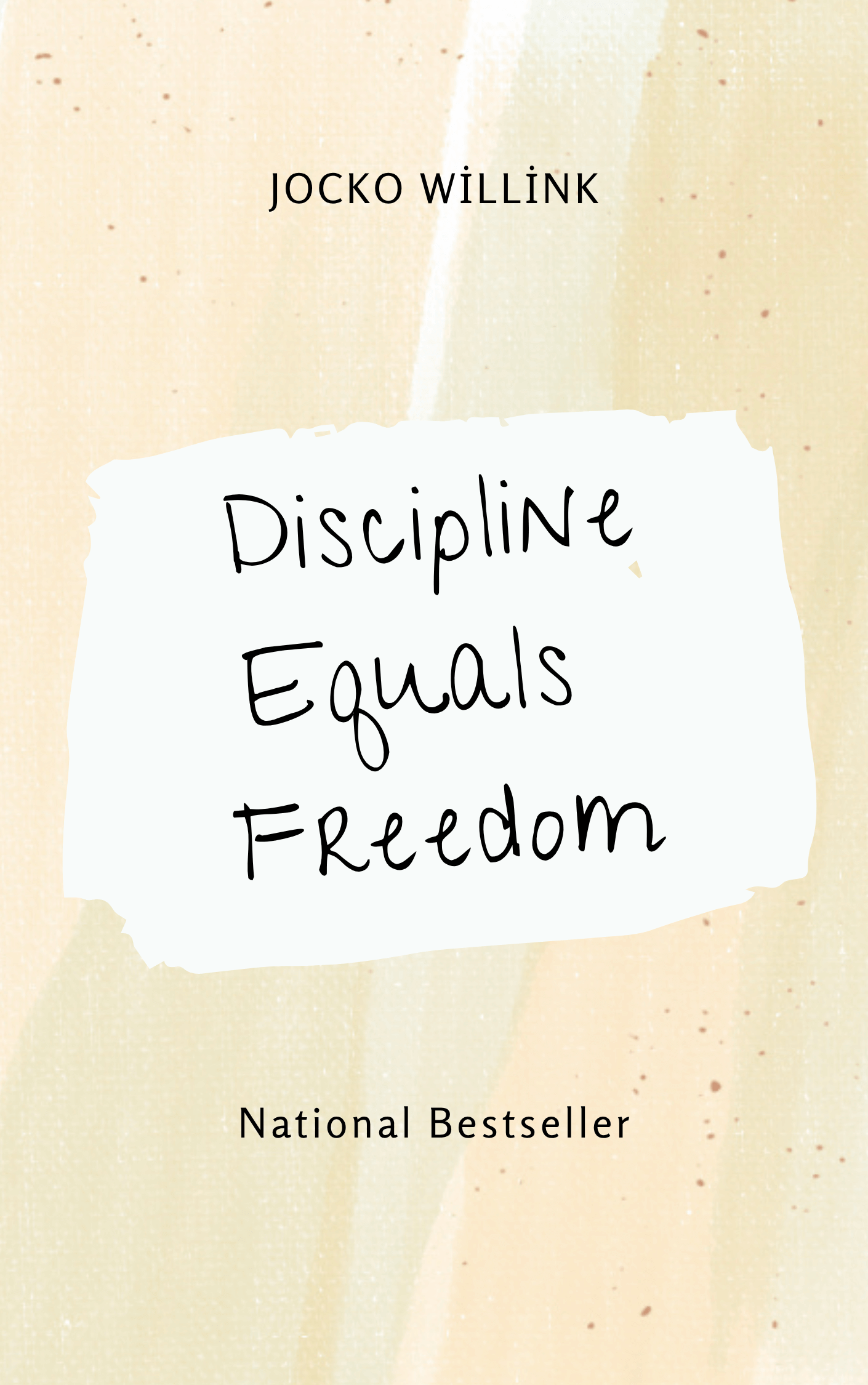
Discipline Equals Freedom Book Summary
This Discipline Equals Freedom Book Summary covers the key ideas, lessons, and takeaways in about 20 minutes.
Short Description:
Discipline Equals Freedom teaches discipline creates strength and life control.
Helps with these goals
Want a Free Weekly Read?
Get a free summary every week straight to your mailbox.
Preview the Discipline Equals Freedom book summary
Below is a preview of Sumizeit’s comprehensive human-written summary of Discipline Equals Freedom by Jocko Willink. The full summary is 15-20 minutes long and covers the book’s key ideas in text, audio, visual, and video formats. Unlock the full 20 Minute Summary
Discipline as the Foundation for Freedom
In Discipline Equals Freedom, Jocko Willink asserts that discipline is the single most critical factor determining success in every arena of life. Freedom is not the absence of restriction; freedom is the result of imposing structure on yourself so that your actions align with long-term goals rather than short-term impulses. A person without discipline becomes a servant to excuses, procrastination, comfort, addiction, and fear. A person with discipline becomes capable of choosing their path and creating the life they want. Willink insists that discipline is the origin of strength, confidence, productivity, health, mastery, and peace.
He explains that people often mistake freedom for indulgence—sleeping whenever they want, eating whatever they want, buying whatever they feel like, and avoiding effort. But that version of freedom is fake. It leads to debt, obesity, anxiety, unhappiness, wasted time, and regret. True freedom means the ability to wake up early without struggle, make decisions based on purpose rather than emotion, stay calm during chaos, and perform at your best regardless of circumstances.
Willink draws a parallel to military operations. Missions succeed not through luck but through disciplined training, planning, communication, and execution. When chaos erupts in combat, disciplined teams adapt quickly and effectively because they have internal control. Undisciplined teams panic, freeze, or collapse under stress. Life works the same way.
Internal Discipline: The Only Reliable Source
Willink emphasizes that discipline must come from within. External discipline—pressure from parents, bosses, teachers, coaches—may push you temporarily, but the minute that pressure is removed, performance collapses. Many people can work hard when others are watching but fall apart when alone. True discipline requires holding yourself to a higher standard than anyone else ever will.
He gives examples from SEAL training: instructors apply intense physical punishment to test mental resilience. The trainees who rely on external motivation quit when exhausted. The trainees driven by internal meaning continue long after their bodies break down because their mind refuses to give up. Willink repeatedly emphasizes that discipline is not about talent or intelligence; it is about choosing action over hesitation every single day, regardless of feelings.
In everyday life, internal discipline looks like the writer who writes daily even without inspiration, the entrepreneur who continues building after failure, the athlete who trains alone when others take days off, and the student who studies before going out even when friends call. These people are free because they control themselves.
The Battle Within: Mastering the Mind
Willink argues that the greatest war is fought inside the mind. Every day, there is a constant internal negotiation between the part of you that wants comfort and the part of you that wants greatness. The weak internal voice whispers things like “sleep a little longer,” “skip today,” “you worked hard enough already,” “you’ll start tomorrow,” “you deserve a break,” or “it doesn’t matter.” He insists that this voice is a liar and must be crushed immediately.
He says that success begins in the fraction of a second…
Want the complete 20-minute summary?
- Full structured summary
- Video Summary
- Podcast Summary
- Audio summary
- Key takeaways
- Exercises
- Quiz
- Highlights and notes
- Ask the book with AI
Who should read Discipline Equals Freedom?
Discipline Equals Freedom is for anyone feeling stuck by procrastination, lack of direction, or self-doubt—whether you're an entrepreneur, student, athlete, or professional seeking real change. If you struggle with excuses, inconsistency, or the gap between your goals and actions, this book offers a military-tested framework for taking control. It's ideal for those ready to stop waiting for motivation and start building the internal strength that creates lasting freedom.
Why does Discipline Equals Freedom matter?
In a world of endless distraction and instant gratification, Discipline Equals Freedom cuts through the noise by showing that true freedom isn't the absence of constraints—it's the result of self-imposed structure. Jocko Willink's combat-proven principles reveal why the most successful people aren't the most talented, but the most disciplined. This book matters because it redefines what freedom actually means and provides a practical roadmap to achieve it in every area of life.
What are the key themes in Discipline Equals Freedom?
- Discipline as the foundation for true freedom
- Internal discipline versus external pressure
- Overcoming the mental battle between comfort and greatness
- Procrastination as the silent destroyer of potential
- Purpose as the fuel that sustains discipline
- Growth through intentional discomfort and stress
- Reframing failure and adversity as opportunities
How can you apply ideas from Discipline Equals Freedom?
- Set a non-negotiable early wake time and physically get out of bed immediately when the alarm sounds, before your mind offers excuses
- Establish a daily exercise routine suited to your situation (gym, calisthenics, running) and complete it regardless of motivation or mood
- Identify your deeper purpose and write it where you will see it daily—phone wallpaper, mirror, desk, car steering wheel—so it remains visible and tangible
- When facing setbacks or failures, pause and say 'Good' aloud, then actively search for the hidden advantage or lesson embedded in the challenge
- Start your most important project today with the smallest possible first step (one page, five minutes, one rep) rather than waiting for perfect conditions
- Replace processed foods with whole foods, lean proteins, and vegetables; fast rather than compromise if healthy options aren't available
- Practice a martial art or engage in deliberate, challenging training that forces you to remain calm under pressure and adapt to adversity
What common mistakes do readers make with Discipline Equals Freedom?
- Confusing freedom with indulgence and believing that doing whatever you want leads to happiness rather than debt, anxiety, and regret
- Relying on external discipline from others instead of building internal discipline that persists when no one is watching
- Waiting for motivation, clarity, inspiration, or the perfect moment instead of recognizing that action creates momentum and feelings follow behavior
- Allowing small compromises to cascade into larger failures, such as hitting snooze once leading to skipping workouts and poor eating choices
Sumizeit Exercises Apply what you've learned
Turn ideas from Discipline Equals Freedom into action with a short guided reflection: identify the biggest takeaway, connect it to your life, and commit to one step you can take in the next 24 hours.
What is the expert analysis of Discipline Equals Freedom?
Overview
Discipline Equals Freedom by Jocko Willink is a compelling treatise on the transformative power of self-discipline as the foundation for personal freedom and success. Willink, a retired U.S. Navy SEAL officer with distinguished combat leadership experience, leverages his military background to articulate a philosophy that transcends the battlefield and applies to everyday life challenges. The book’s significance lies in its fusion of rigorous military discipline with practical life strategies, offering readers a framework to overcome procrastination, fear, and internal resistance. Willink’s authoritative voice, shaped by real-world high-stakes leadership, lends credibility and urgency to his message, making this work a notable contribution to the self-improvement and leadership genres.
Core Thesis
Willink’s central argument is that true freedom is not the absence of constraints but the result of imposing strict discipline upon oneself. He posits that discipline is the master key unlocking strength, confidence, productivity, and peace. Without discipline, individuals succumb to short-term impulses and external pressures, forfeiting control over their lives. Conversely, disciplined individuals harness internal motivation to consistently choose purposeful action over comfort and hesitation, thereby achieving mastery over their circumstances. The book frames discipline as an internal battle, a daily mental negotiation where victory over excuses and fear leads to genuine autonomy and fulfillment.
Strengths
- Authentic Military Insight: Willink’s firsthand experience in elite military operations provides a vivid, credible backdrop that grounds his philosophy in tested reality rather than abstract theory.
- Clear, Actionable Guidance: The book excels at translating abstract concepts of discipline into concrete daily habits—early rising, rigorous exercise, nutritional discipline, and continuous learning—that readers can implement immediately.
- Psychological Depth: Willink’s exploration of the internal dialogue between comfort and greatness offers a nuanced understanding of human motivation and the roots of procrastination and fear.
- Reframing Adversity: The mental strategy of saying “Good” to setbacks is a powerful cognitive tool that encourages resilience and growth mindset, resonating with contemporary psychological research on stress and adaptation.
- Holistic Approach: By integrating physical fitness, mental toughness, purposeful living, and tactical discipline, the book presents a comprehensive blueprint for self-mastery.
Critiques & Counterarguments
- Potential Oversimplification: The book’s binary framing of discipline versus weakness risks oversimplifying complex psychological and social factors that influence behavior, such as mental health issues, socioeconomic constraints, and systemic barriers.
- Evidence Base: While compelling, many of Willink’s claims rely heavily on anecdotal military examples and personal experience rather than empirical research, which may limit their generalizability to broader civilian populations.
- Opposing Views on Freedom: Philosophical traditions such as existentialism or libertarianism might argue that freedom includes the capacity to embrace spontaneity and imperfection, not strict self-regulation, challenging Willink’s narrow definition.
- Risk of Rigidity: The intense emphasis on discipline could foster rigidity or burnout in some readers, particularly if applied without balance or sensitivity to individual needs and contexts.
- Contrasting Psychological Research: Contemporary psychology often highlights the importance of self-compassion and emotional regulation alongside discipline, suggesting that harsh self-criticism and immediate action without reflection may not always be optimal for sustainable motivation.
Who Should Read This
Discipline Equals Freedom is ideally suited for readers seeking a no-nonsense, disciplined approach to personal development—particularly those drawn to military leadership principles, high-performance routines, and mental toughness training. Entrepreneurs, athletes, military personnel, and individuals struggling with procrastination or lack of motivation will find practical strategies and a compelling mindset shift. However, readers interested in a more nuanced or psychologically gentle approach to self-improvement might find the book’s intensity challenging. Ultimately, those committed to embracing discomfort and internal accountability as pathways to freedom will benefit most from Willink’s rigorous and inspiring philosophy.
Frequently asked questions about the Discipline Equals Freedom book summary
What is Discipline Equals Freedom about?
Discipline Equals Freedom by Jocko Willink argues that discipline is the master key to achieving success in every area of life. The book redefines freedom not as the absence of constraints but as the result of imposing structure on yourself so your actions align with long-term goals. Willink uses military combat principles and personal examples to show how internal discipline destroys procrastination, overcomes fear, builds confidence, and ultimately creates the freedom to live on your own terms.
Who should read Discipline Equals Freedom?
Anyone struggling with procrastination, lack of direction, self-doubt, or the gap between goals and action should read this book. It's ideal for entrepreneurs, athletes, students, professionals, and anyone ready to stop waiting for motivation and start building internal strength. The book is particularly valuable for those seeking practical, combat-tested strategies to overcome excuses and take control of their lives.
What are the main takeaways from Discipline Equals Freedom?
The main takeaways are: discipline is the foundation of true freedom, not indulgence; internal discipline is the only reliable source of lasting change; the real battle happens in your mind between comfort and greatness; procrastination is the most destructive force preventing success; and small disciplined actions compound into massive results. Additionally, purpose fuels discipline, intentional discomfort accelerates growth, and each daily choice either builds strength or regret.
How does Jocko Willink define the relationship between discipline and freedom?
Willink defines freedom as the ability to control your actions and align them with your goals, not as doing whatever you want. True freedom is earned through self-imposed discipline and structure. Without discipline, you become a servant to excuses, procrastination, comfort, and fear. With discipline, you gain the power to choose your path and create the life you want.
What is Willink's strategy for overcoming procrastination?
Willink's strategy is to start immediately with the smallest possible action, before your mind can generate excuses. He emphasizes that action must come before emotion and motivation. He recommends taking a single step today—writing one paragraph, running for five minutes, or practicing for 10 minutes—rather than waiting for clarity, inspiration, or perfect conditions. Starting now, no matter how small, creates momentum.
How does Willink recommend handling failure and adversity?
Willink recommends pausing when facing setbacks and saying 'Good' aloud, which forces your brain to search for the hidden value or advantage within the challenge. Rather than reacting emotionally, this practice reframes failure as fuel for growth. He provides examples like using a missed promotion to improve skills or using injury as opportunity to focus on other areas, turning obstacles into stepping stones.
What daily habits does Willink emphasize for building discipline?
Willink emphasizes waking early and exercising daily as non-negotiable foundations. He stresses martial arts for developing humility and stress management, disciplined nutrition focused on whole foods, consistent sleep schedules, and continuous learning through reading and practice. He argues that claiming lack of time or resources are just excuses; calisthenics require no equipment, and discipline is built by doing hard things when you don't want to.
Why does Willink say mental strength is more important than physical strength?
Willink argues that the greatest war is fought inside the mind, where every day you choose between comfort and greatness. He emphasizes that discipline is about choosing action over hesitation and crushing the weak internal voice that offers excuses. In SEAL training, he observed that talent and intelligence matter less than the mind's refusal to give up. The physical benefits of exercise are secondary to the mental strength, confidence, and emotional control it builds.
About Sumizeit
Sumizeit is a profitable Scomy LLC company based in Miami, Florida. Our founders, Clemens Raemy and Weina Scott, are successful entrepreneurs with several exits. Sumizeit is a popular book summary app / micro learning app used by busy professionals and entrepreneurs with over 2,500 non-fiction book summaries and 10,000 podcast summaries in text, audio, visual, podcast, and video format. We also have stellar retention tools to make ideas stick - such as flashcards with spaced repetition, quizzes, streaks, highlighting and notes, daily challenges, riddles, mini-courses, meditation, and more. You won't only learn the idea, but also remember it. Over 90% of our users change their habits with Sumizeit.
Upgrade Now
Here's why readers love Sumizeit
Join thousands of learners getting smarter every day
"Great experience. Detailed summaries. Loved the gamification feature. Makes learning fun. Good customer service. I recommend Sumizeit to anyone. You'll learn a lot."
"I always felt busy but still wanting to keep up with the book discussion in my friend group. This was a great supplement to help me keep reading the books I find fun while keeping up with important books."
"I love this website. Instead of scrolling social media, I find myself learning a lot. I use it everyday. I recommend this app for anyone who is too busy and wants to get up to speed with their favorite books."
Discipline Equals Freedom Book Summary PDF
Looking for a Discipline Equals Freedom Book Summary PDF you can save and revisit offline? Our Discipline Equals Freedom Book Summary PDF captures the book’s core ideas in a clean, printable format — the key frameworks, takeaways, and structure without the fluff. Download the Discipline Equals Freedom Book Summary PDF when you want a reference you can annotate, share with your team, or review on the go. Get your Discipline Equals Freedom Book Summary PDF from the download page below.
Download Discipline Equals Freedom Book Summary PDFPeople also liked these summaries
Readers who explored Discipline Equals Freedom often enjoyed these titles next.

Ready to read the whole thing?
- Full structured summary
- Video Summary
- Podcast Summary
- Audio summary
- Key takeaways
- Exercises
- Quiz
- Highlights and notes
- Ask the book with AI
Featured Book Titles
Popular Book Summaries at sumizeit, leading book summary app