


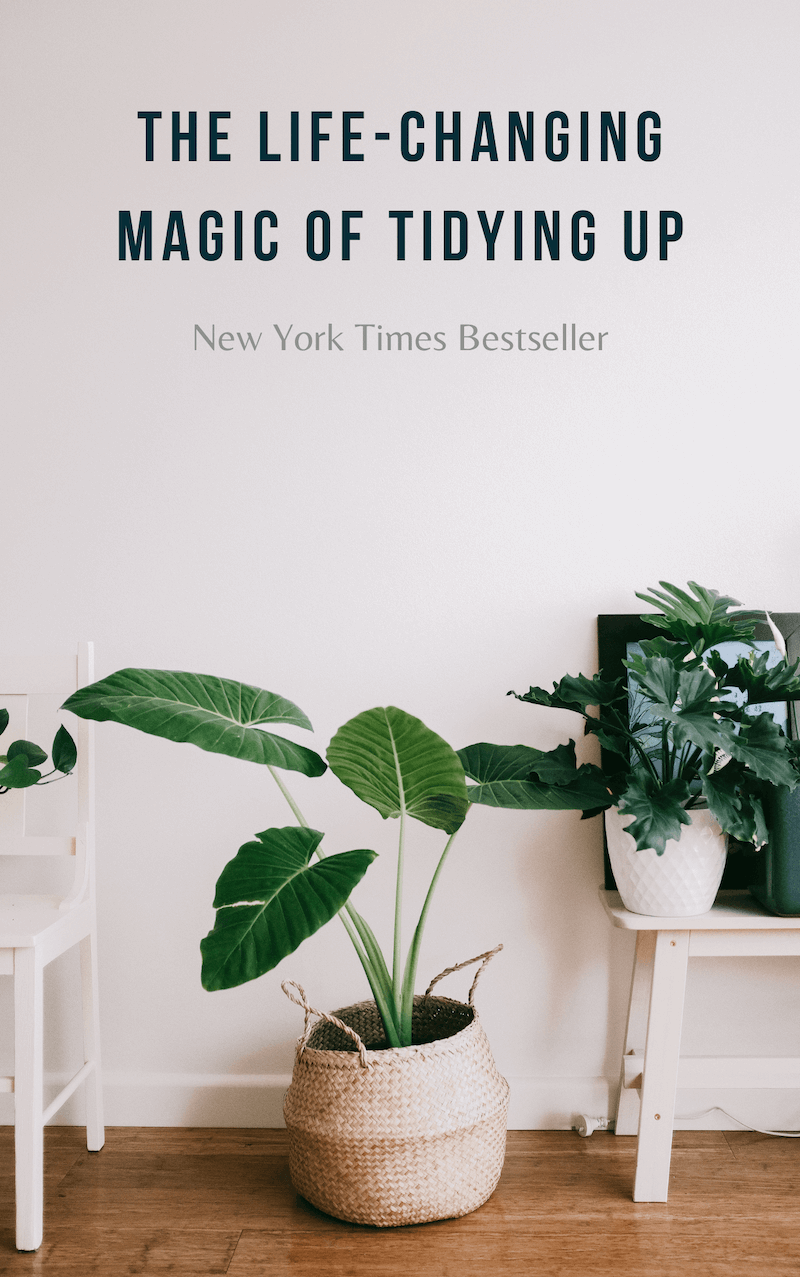
Prefer the print book? Buy on Amazon
As an Amazon Associate, Sumizeit earns from qualifying purchases.
The Life-Changing Magic of Tidying Up Book Summary
This The Life-Changing Magic of Tidying Up Book Summary covers the key ideas, lessons, and takeaways in about 20 minutes.
The Life-Changing Magic of Tidying Up teaches joy through mindful decluttering.
By letting go of what no longer serves you, you gain clarity about who you are and what you value. Your home becomes a physical reflection of your ideal self. The real magic, Kondō reveals, isn’t in the cleaning—it’s in the confidence, peace, and purpose that emerge once your surroundings support your soul.
Want the complete 20-minute summary?
- Full structured summary
- Video Summary
- Podcast Summary
- Audio summary
- Key takeaways
- Exercises
- Quiz
- Highlights and notes
- Ask the book with AI
Want a Free Weekly Read?
Get a free summary every week straight to your mailbox.
Preview the The Life-Changing Magic of Tidying Up book summary
Below is a preview of Sumizeit’s comprehensive human-written summary of The Life-Changing Magic of Tidying Up by Marie Kondō . The full summary is 15-20 minutes long and covers the book’s key ideas in text, audio, visual, and video formats. Unlock the full 20 Minute Summary
Marie Kondō’s The Life-Changing Magic of Tidying Up is not just a guide to decluttering—it’s a spiritual manifesto about how the state of your home mirrors the state of your mind. Her KonMari Method has become a global phenomenon because it does more than organize physical spaces; it helps people create emotional clarity, self-awareness, and a renewed sense of purpose.
At the core of Kondō’s philosophy is a simple yet radical idea: tidying should be a single, transformative event, not a daily grind. Most people clean endlessly—putting things away, buying more storage boxes, and repeating the cycle. This “tidy today, messy tomorrow” pattern leads to frustration and burnout. Instead, Kondō advises dedicating a specific, finite period—often several weeks or months—to tidying your entire home all at once.
This method works because it creates a shock to your system. When you confront every item you own and decide, once and for all, what stays and what goes, you reset your relationship with your possessions. The process is emotional, demanding, and liberating. As Kondō writes, “A dramatic reorganization of the home causes correspondingly dramatic changes in lifestyle and perspective.” Once your home becomes a space of calm and order, you begin to feel lighter, clearer, and more capable of focusing on what truly matters.
The Joy-Driven Rule: Keep Only What Delights You
The most famous aspect of the KonMari Method is the guiding question: “Does it spark joy?” Instead of keeping things based on logic (“I might need this someday”) or guilt (“It was a gift”), you base your decisions on emotion. You hold each item in your hands, pay attention to how your body reacts, and trust your intuition.
For example, when you hold a sweater, do you feel warmth and comfort—or indifference? If the latter, it’s time to let it go. Kondō recounts that even practical items, such as a favorite mug or a pen that writes smoothly, can spark joy if they serve you well and make daily life pleasant.
Kondō encourages you to thank each discarded item for its service—this small ritual is essential. If you never wore a dress you bought, thank it for teaching you that the color or style didn’t suit you. If you’re parting with books you once loved, thank them for their lessons or inspiration. This expression of gratitude softens the emotional burden of letting go and fosters a mindset of respect and mindfulness toward your belongings.
The Power of Tidying by Category, Not Location
One of Kondō’s most counterintuitive teachings is to tidy by category rather than by location. People often tidy by room, but this hides clutter in other areas of the house. You might clean your bedroom, but the same category of items—like books or clothes—exists in other rooms, meaning you never grasp the total volume of what you own.
Kondō insists that tidying must follow this precise order:
Clothes – tangible, less emotional, and easy to judge.
Books – reflective of your values, identity, and aspirations.
Papers…
Want the complete 20-minute summary?
- Full structured summary
- Video Summary
- Podcast Summary
- Audio summary
- Key takeaways
- Exercises
- Quiz
- Highlights and notes
- Ask the book with AI
Who should read The Life-Changing Magic of Tidying Up?
The Life-Changing Magic of Tidying Up is ideal for anyone overwhelmed by clutter, struggling with decision-making, or seeking to align their physical environment with their values and identity. It appeals to people who want lasting transformation rather than temporary cleanup, as well as those seeking deeper self-awareness through the process of intentional living.
Why does The Life-Changing Magic of Tidying Up matter?
In an age of endless consumption and mental overwhelm, Marie Kondō's KonMari Method offers a radical alternative: tidying as a finite, transformative event rather than an endless chore. The book matters because it reveals that your home environment directly influences your clarity, peace, and capacity to pursue what truly matters, making decluttering a pathway to personal transformation.
What are the key themes in The Life-Changing Magic of Tidying Up?
- Joy as the guiding principle for decision-making
- Tidying as a single, life-changing event rather than an ongoing habit
- Gratitude and respect for possessions
- Intentional living and conscious consumption
- The mind-home connection and environmental psychology
- Separation of memories from material objects
- Quality over quantity and meaningful abundance
Want the complete 20-minute summary?
- Full structured summary
- Video Summary
- Podcast Summary
- Audio summary
- Key takeaways
- Exercises
- Quiz
- Highlights and notes
- Ask the book with AI
How can you apply ideas from The Life-Changing Magic of Tidying Up?
- Create a timeline for a complete home tidying project rather than attempting endless small cleanups
- Implement the joy test by physically holding items and noticing your emotional and physical response before deciding to keep or discard
- Gather all items in a single category from throughout your home to see the full volume and make informed decisions
- Practice mindful folding and vertical storage to make all clothing visible and accessible
- Establish designated homes for every possession to create automatic tidying habits
- Sort papers aggressively, keeping only documents currently in use, temporarily needed, or legally required
- Thank items before discarding them as a ritual to honor their service and ease emotional attachment
What common mistakes do readers make with The Life-Changing Magic of Tidying Up?
- Tidying by room instead of category, which leaves duplicates hidden throughout the home
- Keeping unworn clothes as motivation for weight loss or future body changes, which creates guilt rather than inspiration
- Preserving books you haven't read, treating them as unfulfilled intellectual aspirations rather than freeing space for what you actually love
- Holding onto gifts out of obligation long after their purpose is served, dishonoring both giver and yourself
Sumizeit Exercises Apply what you've learned
Turn ideas from The Life-Changing Magic of Tidying Up into action with a short guided reflection: identify the biggest takeaway, connect it to your life, and commit to one step you can take in the next 24 hours.
What is the expert analysis of The Life-Changing Magic of Tidying Up?
Overview
The Life-Changing Magic of Tidying Up by Marie Kondō is a seminal work that transcends traditional self-help guides on organization by framing tidying as a spiritual and psychological journey. Kondō, a Japanese organizing consultant and cultural phenomenon, has revolutionized the way millions approach their living spaces through her KonMari Method. Her influence extends beyond mere decluttering, touching on emotional clarity, mindfulness, and intentional living. The book’s global impact, evidenced by millions of copies sold and widespread media presence, underscores its significance as both a practical manual and a philosophical treatise on the relationship between environment and self.
Core Thesis
At its heart, Kondō’s central argument is that tidying should be a singular, transformative event rather than a repetitive chore. By confronting every possession and deciding what “sparks joy,” individuals reset their emotional relationship with their belongings. This process is not just about physical order but about cultivating a living space that mirrors and fosters mental clarity, emotional well-being, and purposeful living. The KonMari Method’s emphasis on tidying by category, practicing gratitude towards items, and mindful folding techniques collectively serve to create a harmonious environment that supports personal growth and intentional abundance.
Strengths
- Innovative Psychological Framework: Kondō’s focus on emotional response (“spark joy”) as the criterion for keeping possessions introduces a nuanced, introspective dimension to decluttering, distinguishing her method from purely utilitarian approaches.
- Holistic and Systematic Approach: The prescribed order of categories and the emphasis on tidying as a one-time event provide a clear, manageable roadmap that builds emotional resilience progressively.
- Mindfulness and Ritual: Encouraging gratitude and careful handling of items transforms the act of tidying into a meditative practice, fostering respect for possessions and reducing guilt associated with discarding.
- Practical, Accessible Techniques: The folding methods and storage guidelines are simple yet effective, promoting sustainability by discouraging reliance on expensive organizing tools.
- Broader Life Implications: The book connects physical decluttering with psychological transformation and lifestyle changes, inspiring readers to reconsider consumption habits and personal values.
Critiques & Counterarguments
- Emotional Subjectivity Limits Universality: The “spark joy” criterion is inherently subjective and may not translate well across different cultures or personalities, particularly for those who prioritize practicality or sentimental value differently.
- Potential Oversimplification: The book’s portrayal of tidying as a singular transformative event may underestimate the complexity of habit formation and the ongoing nature of maintaining order in dynamic living environments.
- Limited Engagement with Minimalism’s Nuances: While Kondō distances herself from minimalism, some critics argue that her method aligns closely with minimalist principles but lacks critical engagement with minimalism’s socio-economic and environmental critiques.
- Psychological Assumptions Require More Empirical Support: The emotional breakthroughs and life changes Kondō attributes to tidying are compelling anecdotes but lack rigorous scientific validation, inviting skepticism from psychological research perspectives.
- Opposing Schools of Thought: Alternative organizational philosophies, such as the FlyLady system or David Allen’s Getting Things Done, emphasize ongoing routines and productivity frameworks rather than one-time purges, offering competing models that may better suit certain individuals or professional contexts.
Who Should Read This
This book is ideal for readers seeking more than just practical advice on home organization—those interested in the intersection of environment, psychology, and lifestyle design will find Kondō’s work particularly resonant. It appeals to individuals overwhelmed by clutter who desire a structured yet emotionally mindful approach to tidying. Additionally, readers drawn to mindful living, intentional consumption, and personal transformation through everyday practices will appreciate the depth of insight offered. However, those looking for quick fixes, purely functional systems, or evidence-based psychological interventions may find the book’s spiritual and anecdotal tone less satisfying.
Frequently asked questions about the The Life-Changing Magic of Tidying Up book summary
What is The Life-Changing Magic of Tidying Up about?
The Life-Changing Magic of Tidying Up by Marie Kondō is a guide to transforming your home and life through the KonMari Method, a decluttering philosophy centered on keeping only items that spark joy. The book provides a step-by-step process for tidying by category rather than room, treating possessions with gratitude, and using organization as a pathway to self-discovery and intentional living.
Who should read The Life-Changing Magic of Tidying Up?
Anyone feeling overwhelmed by clutter, stuck in endless cleaning cycles, or seeking alignment between their environment and values will benefit from this book. It's ideal for people wanting lasting transformation rather than temporary fixes, and for those interested in how their physical surroundings influence their mental clarity and life direction.
What are the main takeaways from The Life-Changing Magic of Tidying Up?
The core takeaways include: tidy your entire home in one intensive period rather than perpetually, use the joy test to decide what stays, organize by category to see the full volume of your possessions, and thank items you discard to transform letting go into a respectful act. Ultimately, the method reveals that your home environment shapes your consciousness and that ownership decisions reflect how you want to live.
What is the KonMari Method?
The KonMari Method is Marie Kondō's five-step tidying system that progresses through categories in this order: clothes, books, papers, komono (miscellaneous items), and sentimental objects. Each step follows the principle of keeping only items that spark joy, with the sequence designed to build emotional resilience before tackling the most difficult, memory-laden possessions.
How does the joy test work?
The joy test involves holding each item in your hands, tuning into your emotional and physical response, and asking whether it sparks joy. Rather than deciding based on logic, guilt, or practicality, you trust your intuition—genuine warmth, comfort, or delight indicates an item belongs in your life, while indifference signals it's time to let it go.
Why should you tidy by category instead of by room?
Tidying by room hides clutter because the same category of items—clothes, books, papers—exists throughout your home. By gathering all items in one category together, you confront the true volume of what you own and prevent duplicates and forgotten items from being scattered and overlooked.
What should you do with sentimental items?
Save sentimental items for last, after you've built confidence and clarity through organizing easier categories. When sorting, separate your memories from the objects themselves—memories live in your mind, not the items. Keep only the most meaningful photos, gifts, and mementos that genuinely uplift you, releasing the rest with gratitude.
About Sumizeit
Sumizeit is a profitable Scomy LLC company based in Miami, Florida. Our founders, Clemens Raemy and Weina Scott, are successful entrepreneurs with several exits. Sumizeit is a popular book summary app / micro learning app used by busy professionals and entrepreneurs with over 2,500 non-fiction book summaries and 10,000 podcast summaries in text, audio, visual, podcast, and video format. We also have stellar retention tools to make ideas stick - such as flashcards with spaced repetition, quizzes, streaks, highlighting and notes, daily challenges, riddles, mini-courses, meditation, and more. You won't only learn the idea, but also remember it. Over 90% of our users change their habits with Sumizeit.
Upgrade Now
Want the complete 20-minute summary?
- Full structured summary
- Video Summary
- Podcast Summary
- Audio summary
- Key takeaways
- Exercises
- Quiz
- Highlights and notes
- Ask the book with AI
Here's why readers love Sumizeit
Join thousands of learners getting smarter every day
"Great experience. Detailed summaries. Loved the gamification feature. Makes learning fun. Good customer service. I recommend Sumizeit to anyone. You'll learn a lot."
"I always felt busy but still wanting to keep up with the book discussion in my friend group. This was a great supplement to help me keep reading the books I find fun while keeping up with important books."
"I love this website. Instead of scrolling social media, I find myself learning a lot. I use it everyday. I recommend this app for anyone who is too busy and wants to get up to speed with their favorite books."
The Life-Changing Magic of Tidying Up Book Summary PDF
Looking for a The Life-Changing Magic of Tidying Up Book Summary PDF you can save and revisit offline? Our The Life-Changing Magic of Tidying Up Book Summary PDF captures the book’s core ideas in a clean, printable format — the key frameworks, takeaways, and structure without the fluff. Download the The Life-Changing Magic of Tidying Up Book Summary PDF when you want a reference you can annotate, share with your team, or review on the go. Get your The Life-Changing Magic of Tidying Up Book Summary PDF from the download page below.
Download The Life-Changing Magic of Tidying Up Book Summary PDFPeople also liked these summaries
Readers who explored The Life-Changing Magic of Tidying Up often enjoyed these titles next.

Want the complete 20-minute summary?
- Full structured summary
- Video Summary
- Podcast Summary
- Audio summary
- Key takeaways
- Exercises
- Quiz
- Highlights and notes
- Ask the book with AI
Featured Book Titles
Popular Book Summaries at sumizeit, leading book summary app