


Prefer the print book? Buy on Amazon
As an Amazon Associate, Sumizeit earns from qualifying purchases.
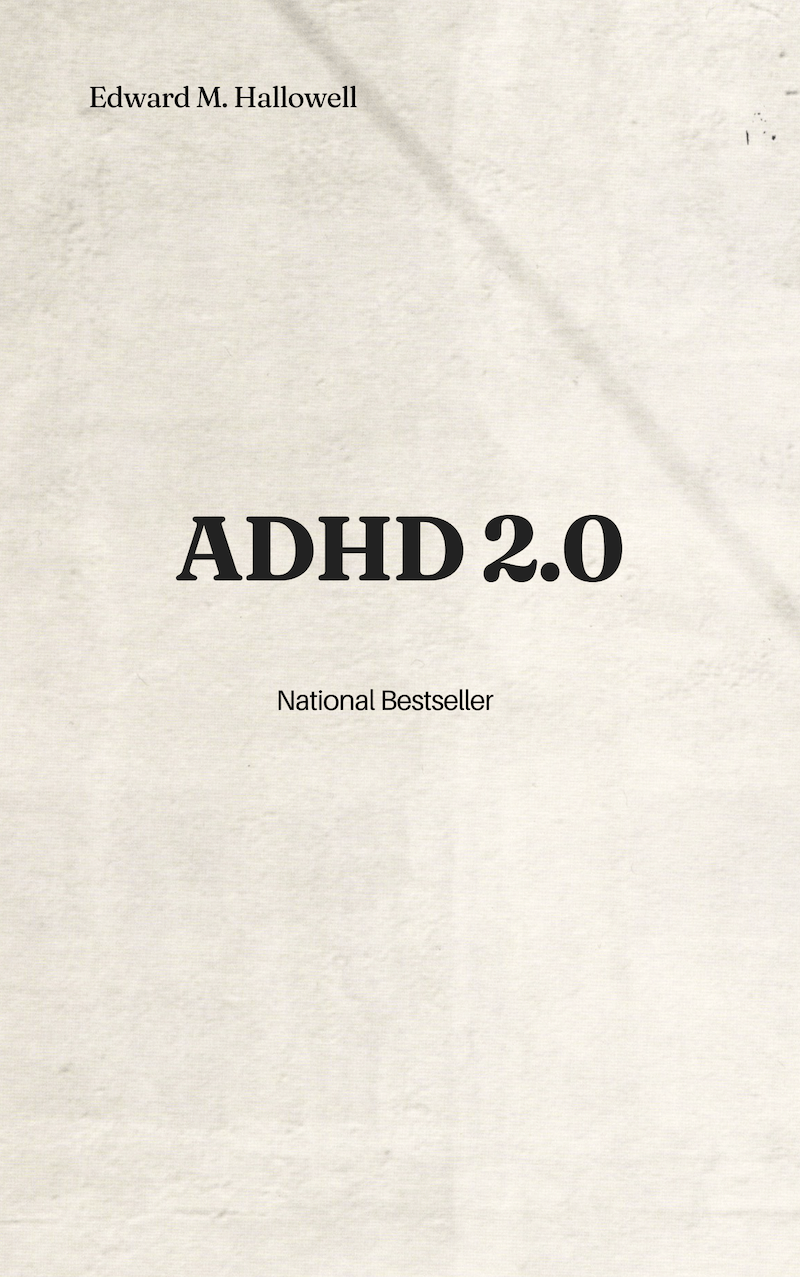
ADHD 2.0 Book Summary
This ADHD 2.0 Book Summary covers the key ideas, lessons, and takeaways in about 20 minutes.
1. The Science of Empowerment
By explaining the role of dopamine, the cerebellum, and the brain’s networks, the authors demystify ADHD. It’s not a moral failing or a motivation issue—it’s a matter of brain wiring. Once people understand how their brains work, they can stop feeling defective and start feeling powerful.
2. The Shift from Disorder to Difference
ADHD is not an attention deficit—it’s a regulation difference. People with ADHD have immense attention when engaged. The goal isn’t to “fix” them, but to design environments that match their energy and creativity.
3. Strength Through Connection
Relationships are the emotional anchor for ADHD minds. Love, friendship, mentorship, and understanding don’t just feel good—they literally help regulate the ADHD brain. Disconnection breeds chaos; connection restores calm and purpose.
4. Movement, Sleep, and Flow
Exercise, rest, and meaningful challenges form the biological foundation of success. Movement activates focus, sleep restores energy, and the “right difficult” keeps motivation alive. ADHD thrives in motion, not stagnation.
5. Self-Acceptance as the Ultimate Cure
The most profound lesson of ADHD 2.0 is self-acceptance. When ADHD individuals stop blaming themselves for being “too scattered,” “too emotional,” or “too restless,” they reclaim their power. Their unique minds are engines of curiosity, compassion, and invention.
ADHD is not a burden—it’s a different way of being alive.
It is the spark behind the artist who paints all night, the entrepreneur who refuses to quit, and the friend who feels everything deeply.
Understanding your ADHD isn’t about fitting in—it’s about creating a world that fits you. And in that world, your so-called “deficits” become your greatest sources of strength.
Want the complete 20-minute summary?
- Full structured summary
- Video Summary
- Podcast Summary
- Audio summary
- Key takeaways
- Exercises
- Quiz
- Highlights and notes
- Ask the book with AI
Not ready to upgrade?
Get this summary + 2 more picks sent to your inbox, free.
What is in the ADHD 2.0 book summary?
Below is a preview of Sumizeit’s expert-written summary of ADHD 2.0 by Edward M. Hallowell,John J. Ratey. The full summary covers the book’s key ideas in text, audio, and video.
Rethinking ADHD: From Deficit to Dynamic Difference
In ADHD 2.0, psychiatrists Edward M. Hallowell and John J. Ratey—two of the world’s foremost experts on attention disorders—reframe Attention Deficit Hyperactivity Disorder as a difference, not a disease. Both authors have ADHD themselves, and they merge their professional expertise with personal experience to present a compassionate, empowering vision of what it means to live with this unique brain wiring.
Their goal is not to “cure” ADHD, but to help people thrive with it—to turn what has long been seen as a deficit into a driver of creativity, resilience, and innovation. They introduce a new term, Variable Attention Stimulus Trait (VAST), reflecting that ADHD is less about lacking attention and more about struggling to regulate an overflow of it. People with ADHD can focus too little or too much, depending on how stimulating the task is.
The authors argue that in today’s overstimulating digital world—filled with endless notifications, multitasking, and rapid information—VAST is becoming increasingly common even among those without a formal diagnosis. This makes understanding ADHD not just relevant to the 5–10% of people who live with it, but to virtually everyone navigating modern distraction.
“We don’t have a deficit of attention—we have an overabundance of it. The challenge is not to focus, but to focus on the right things.”
The ADHD Brain: A Unique Wiring of Energy and Imagination
ADHD is rooted in the brain’s structure and chemistry. Hallowell and Ratey walk readers through the key neurological features that shape how ADHD brains function—and why they behave so differently.
The cerebellum, traditionally associated with motor control, is also vital for emotional regulation, focus, and learning. In ADHD, it tends to be smaller or less active, leading to impulsivity, poor coordination, and difficulty with attention.
However, the cerebellum is remarkably plastic—it can grow stronger through movement. Activities like martial arts, dance, yoga, or balance training not only improve physical coordination but also enhance emotional stability and attention.
Example: A child who practices Tae Kwon Do learns not only to control their body but also their focus and patience—a form of brain training through movement.
ADHD brains often produce less dopamine (the “motivation” chemical) and norepinephrine (the “focus” chemical). As a result, everyday tasks—like paying bills or answering emails—don’t trigger the same sense of reward that they do in neurotypical brains.
This explains why people with ADHD might procrastinate for days but suddenly become highly productive when a deadline looms. The urgency floods their brain with dopamine, temporarily restoring focus and drive.
Example: An adult with ADHD might struggle to start a tax return for weeks but then complete it overnight in a burst of energized concentration. It’s not inconsistency—it’s neurochemistry.
The Default Mode Network (DMN) and the Task Positive Network (TPN) regulate daydreaming and focused work. In neurotypical people, these systems switch on and off cleanly.
Want the complete 20-minute summary?
- Full structured summary
- Video Summary
- Podcast Summary
- Audio summary
- Key takeaways
- Exercises
- Quiz
- Highlights and notes
- Ask the book with AI
Who should read ADHD 2.0?
ADHD 2.0 is for anyone diagnosed with ADHD or who suspects they have attention regulation challenges, as well as parents, educators, and professionals seeking to understand this neurological difference. It's equally valuable for those without ADHD who want to navigate today's overstimulating digital world more effectively. The book speaks to people ready to move beyond shame and toward self-acceptance and practical empowerment.
Why does ADHD 2.0 matter?
ADHD 2.0 reframes attention challenges from a personal failing into a neurological difference, offering profound validation to millions while demystifying how the ADHD brain actually works. In an era of endless digital distraction and rising diagnoses, this book provides both cutting-edge neuroscience and compassionate guidance for thriving rather than merely surviving. By shifting the conversation from deficit to difference, Hallowell and Ratey help readers reclaim their energy, creativity, and self-worth.
What are the key themes in ADHD 2.0?
- ADHD as neurological difference, not disorder
- The VAST framework: Variable Attention Stimulus Trait
- Connection and relationships as foundational healing
- The power of finding your 'Right Difficult'
- Movement and lifestyle design as primary interventions
- Reframing ADHD challenges as potential strengths
Want the complete 20-minute summary?
- Full structured summary
- Video Summary
- Podcast Summary
- Audio summary
- Key takeaways
- Exercises
- Quiz
- Highlights and notes
- Ask the book with AI
How can you apply ideas from ADHD 2.0?
- Design your work around your hyperfocus abilities—seek roles or projects that match your natural intensity and engagement patterns
- Build a movement practice into your daily routine, focusing on aerobic or balance-based activities to boost dopamine and strengthen your cerebellum
- Establish 'body double' accountability partnerships where you work alongside someone else—virtually or in-person—to maintain focus on priority tasks
- Create flexible daily structures with two to three clear priorities rather than rigid schedules, allowing autonomy while providing scaffolding
- Invest deliberately in relationships through regular check-ins, community participation, and meaningful connections that regulate your nervous system
- Use external tools and visual systems—planners, reminders, color-coding—to compensate for working memory challenges without relying on willpower
- Identify activities where time disappears and deliberately build your career or hobbies around that 'Right Difficult' zone of optimal challenge
- Establish consistent sleep routines with screen-free wind-down periods, supporting your brain's natural resistance to shutdown
What common mistakes do readers make with ADHD 2.0?
- Interpreting ADHD as a personal character flaw or lack of motivation rather than a neurological difference in attention regulation
- Attempting rigid, restrictive schedules that feel confining and trigger resistance instead of using flexible structures that guide without constraining
- Relying solely on medication without addressing lifestyle factors like movement, sleep, connection, and meaningful engagement
- Forcing yourself into work or tasks that don't match your interest-based nervous system, leading to chronic procrastination and shame
- Isolating or withdrawing from relationships when struggling, depriving yourself of the connection that literally helps regulate your brain
Sumizeit Exercises Apply what you've learned
Turn ideas from ADHD 2.0 into action with a short guided reflection: identify the biggest takeaway, connect it to your life, and commit to one step you can take in the next 24 hours.
What is the expert analysis of ADHD 2.0?
Overview
ADHD 2.0 is a groundbreaking work by Dr. Edward M. Hallowell and Dr. John J. Ratey, two preeminent psychiatrists and researchers renowned for their contributions to understanding Attention Deficit Hyperactivity Disorder. Building upon decades of clinical experience and personal insight—both authors live with ADHD themselves—the book reconceptualizes ADHD not as a disorder or deficit but as a distinct neurological difference. This paradigm shift challenges prevailing stigmas and offers a nuanced, compassionate framework that integrates neuroscience, psychology, and practical strategies for thriving with ADHD in the modern world.
Core Thesis
The central argument of ADHD 2.0 is that ADHD should be understood as a manifestation of a Variable Attention Stimulus Trait (VAST)—a brain wiring that produces an overabundance and dysregulation of attention rather than a simple lack of it. This reframing emphasizes that ADHD brains are wired to seek stimulation and novelty, resulting in both challenges and unique strengths. The authors contend that ADHD is not a pathology to be cured but a difference to be embraced and harnessed, especially in an increasingly distracting and overstimulating digital environment. Success and well-being arise from designing environments and lifestyles that align with this neurological profile, emphasizing connection, movement, and the pursuit of the “right difficult” challenges.
Strengths
Integrative Neuroscience and Lived Experience: The book excels at translating complex neurological research—such as the roles of the cerebellum, dopamine, and brain network dynamics—into accessible language grounded in real-life examples. This blend of science and personal narrative lends credibility and empathy to the discussion.
Reframing ADHD Positively: By shifting the narrative from deficit to difference, the authors empower readers to view ADHD as a source of creativity, energy, and innovation, which can foster self-acceptance and reduce stigma.
Practical, Holistic Strategies: The emphasis on lifestyle interventions—movement, sleep hygiene, flexible structure, mindfulness, and social connection—provides a comprehensive toolkit that complements medical treatment and addresses the multifaceted nature of ADHD.
Recognition of Emotional and Social Dimensions: Highlighting the critical role of connection in emotional regulation and motivation underscores the psychosocial complexities often overlooked in clinical approaches.
Nuanced Understanding of Attention: The concept of an interest-based nervous system and the “right difficult” challenge offers a sophisticated model for understanding motivation and engagement in ADHD individuals.
Critiques & Counterarguments
Potential Oversimplification of ADHD Diversity: While the VAST model is compelling, ADHD manifests heterogeneously across individuals. The book’s broad generalizations may underrepresent subtypes or co-occurring conditions such as anxiety, depression, or learning disabilities, which complicate the clinical picture.
Limited Engagement with Contradictory Research: The authors emphasize positive reframing and lifestyle interventions but provide less critical analysis of cases where medication or traditional behavioral therapies are indispensable. Some studies suggest that untreated ADHD can lead to significant functional impairments and that neurodiversity frameworks, while valuable, may not fully capture the disorder’s complexity.
Challenges in Generalizing to Non-ADHD Populations: The claim that VAST traits are increasingly common in the general population due to digital overstimulation is provocative but underdeveloped. Competing research on digital distraction highlights varying cognitive impacts that may not align neatly with ADHD neurobiology.
Risk of Romanticizing ADHD: The portrayal of ADHD as a source of exceptional creativity and energy, though empowering, risks minimizing the very real struggles many face, including executive dysfunction and emotional dysregulation that can impair quality of life.
Evidence Base for Some Interventions: While exercise and mindfulness have growing empirical support, recommendations like “body doubles” or pet ownership, although intuitively appealing, lack robust clinical trial validation and may not be feasible or effective for all individuals.
Who Should Read This
ADHD 2.0 is essential reading for a sophisticated audience seeking a paradigm shift in understanding ADHD—from medical professionals and educators to individuals diagnosed with ADHD and their families. It is particularly valuable for those interested in integrating neuroscience with lived experience and who desire a strengths-based, holistic approach to neurodiversity. Readers open to rethinking traditional deficit models and exploring innovative lifestyle strategies will find this book both enlightening and practical. However, those seeking a purely clinical manual or exhaustive review of pharmacological treatments may need to supplement it with more specialized texts.
Frequently asked questions about the ADHD 2.0 book summary
What is ADHD 2.0 about?
ADHD 2.0 by Edward M. Hallowell and John J. Ratey reframes Attention Deficit Hyperactivity Disorder from a deficit or disorder into a neurological difference called VAST (Variable Attention Stimulus Trait). The book combines cutting-edge neuroscience with personal and clinical experience to help readers understand how the ADHD brain works—why it struggles with some tasks but excels at others—and provides practical strategies for designing a life that matches this unique wiring rather than fighting it.
Who should read ADHD 2.0?
ADHD 2.0 is essential for anyone diagnosed with ADHD or suspecting attention regulation challenges, but it's equally valuable for parents, educators, partners, and professionals seeking to understand this neurological difference. It also benefits anyone navigating today's overstimulating digital world and struggling with focus and distraction, since the principles apply broadly to attention management in modern life.
What are the main takeaways from ADHD 2.0?
Key takeaways include: ADHD is about attention regulation, not deficit; the ADHD brain operates on an interest-based nervous system driven by dopamine; connection and relationships are foundational to thriving; movement and lifestyle design are primary interventions; every ADHD challenge has a corresponding strength; and success comes from building a life aligned with your brain's nature rather than forcing conformity to neurotypical patterns.
What is the 'Right Difficult' concept in ADHD 2.0?
The 'Right Difficult' is the optimal balance of challenge and engagement where ADHD individuals thrive—tasks stimulating enough to maintain focus without being so overwhelming they cause paralysis. Finding your 'Right Difficult' means identifying what makes you lose track of time and structuring your work and hobbies around that engagement zone, dramatically improving motivation and satisfaction.
How does ADHD 2.0 explain procrastination in ADHD brains?
Hallowell and Ratey explain that ADHD brains produce less dopamine (motivation chemical) and norepinephrine (focus chemical), making routine tasks feel unrewarding. This is why someone with ADHD might struggle for days but then hyperfocus overnight when urgency creates a dopamine flood. It's not laziness—it's neurochemistry, and understanding this difference is transformative for self-compassion.
What role does movement play in managing ADHD according to the book?
Exercise is presented as the most potent non-pharmaceutical ADHD treatment. Even 20 minutes of aerobic activity naturally boosts dopamine, norepinephrine, and serotonin, improving mood and focus. Balance-based sports like martial arts, dance, or surfing are especially effective because they train the cerebellum, which in ADHD brains affects both emotional regulation and attention control.
Why does ADHD 2.0 emphasize connection and relationships?
Hallowell and Ratey conclude from decades of clinical work that connection is the cornerstone of ADHD healing. ADHD individuals often grow up feeling misunderstood and developing shame and loneliness. Supportive relationships—family, mentors, friends, pets—literally help regulate the ADHD nervous system, restore emotional stability, and reverse the damage of disconnection, making connection as vital as any other treatment strategy.
How does ADHD 2.0 address medication in treatment?
The authors present medication as potentially transformative when properly managed, but not as a cure-all or standalone solution. They stress combining medication with lifestyle strategies—exercise, structured environments, meaningful connections, and engaging work—to create sustainable success. The integration of biological, psychological, and social interventions creates the most effective outcomes.
About Sumizeit
Sumizeit is a profitable Scomy LLC company based in Miami, Florida. It has been helping readers learn from nonfiction books for 7 years with expert-written summaries in text, audio, podcast, and video.
Want the complete 20-minute summary?
- Full structured summary
- Video Summary
- Podcast Summary
- Audio summary
- Key takeaways
- Exercises
- Quiz
- Highlights and notes
- Ask the book with AI
Here's why readers love Sumizeit
Join thousands of learners getting smarter every day
"Great experience. Detailed summaries. Loved the gamification feature. Makes learning fun. Good customer service. I recommend Sumizeit to anyone. You'll learn a lot."
"I always felt busy but still wanting to keep up with the book discussion in my friend group. This was a great supplement to help me keep reading the books I find fun while keeping up with important books."
"I love this website. Instead of scrolling social media, I find myself learning a lot. I use it everyday. I recommend this app for anyone who is too busy and wants to get up to speed with their favorite books."
ADHD 2.0 Book Summary PDF
Looking for a ADHD 2.0 Book Summary PDF you can save and revisit offline? Our ADHD 2.0 Book Summary PDF captures the book’s core ideas in a clean, printable format — the key frameworks, takeaways, and structure without the fluff. Download the ADHD 2.0 Book Summary PDF when you want a reference you can annotate, share with your team, or review on the go. Get your ADHD 2.0 Book Summary PDF from the download page below.
Download ADHD 2.0 Book Summary PDFPeople also liked these summaries
Readers who explored ADHD 2.0 often enjoyed these titles next.



Want the complete 20-minute summary?
- Full structured summary
- Video Summary
- Podcast Summary
- Audio summary
- Key takeaways
- Exercises
- Quiz
- Highlights and notes
- Ask the book with AI
Featured Book Titles
Popular Book Summaries at sumizeit, leading book summary app