


As an Amazon Associate, Sumizeit earns from qualifying purchases.
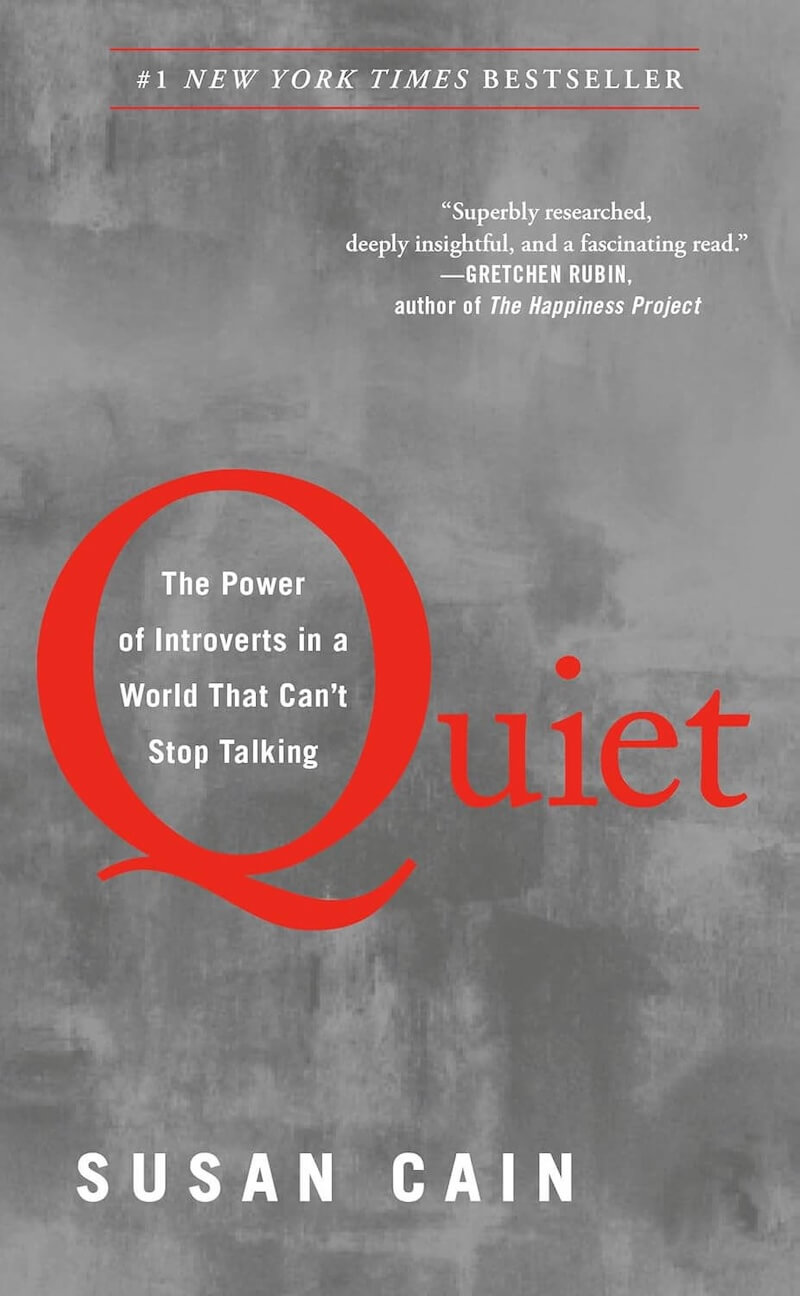
Quiet Book Summary
This Quiet Book Summary covers the key ideas, lessons, and takeaways in about 20 minutes.
Helps with these goals
Want the complete 20-minute summary?
- Full structured summary
- Video Summary
- Podcast Summary
- Audio summary
- Key takeaways
- Exercises
- Quiz
- Highlights and notes
- Ask the book with AI
What is in the Quiet book summary?
Below is a preview of Sumizeit’s expert-written summary of Quiet by Susan Cain. The full summary covers the book’s key ideas in text, audio, and video.
In Quiet: The Power of Introverts in a World That Can’t Stop Talking, Susan Cain challenges one of modern society’s most pervasive myths—that success and happiness belong only to the outgoing, assertive, and talkative. Through extensive research in psychology, neuroscience, and sociology, as well as interviews and case studies, she shows that introversion is not a limitation but a powerful advantage in the right conditions. Introverts, who make up nearly half the population, are often dismissed as shy, antisocial, or unambitious. Yet Cain reveals that these quiet individuals have been behind many of humanity’s greatest scientific discoveries, social movements, and creative masterpieces—from Albert Einstein’s theories of relativity, to J.K. Rowling’s Harry Potter, to Rosa Parks’s quiet defiance that sparked the Civil Rights Movement.
Cain argues that introverts possess unique gifts: deep concentration, careful analysis, empathy, persistence, and creativity. These strengths, while often undervalued, drive innovation and leadership in subtle but profound ways. By understanding how introversion functions biologically, socially, and emotionally, Cain encourages both individuals and institutions to embrace the power of quiet.
The Rise of the Extrovert Ideal
Cain traces the origins of the “Extrovert Ideal” to early 20th-century America, when industrialization and urbanization reshaped social values. In the 1800s, the “Culture of Character” defined success by moral integrity, discipline, and modesty. Public heroes like Abraham Lincoln were admired for humility and conscience. But as cities grew and businesses expanded, personality replaced character. Advertising boomed, and self-promotion became a survival skill. Charismatic salesmen like Dale Carnegie taught Americans to be likable, persuasive, and bold—embodying the new “Culture of Personality.”
This cultural shift infiltrated schools, workplaces, and even family life. Students were encouraged to “speak up” and “stand out.” Office designs evolved into open layouts that rewarded social fluency rather than deep thought. Cain describes how even churches began emphasizing extroverted worship styles, replacing quiet contemplation with enthusiasm and charisma. In this world, being sociable became a moral virtue, while solitude was mistaken for weakness.
Yet, Cain argues, this one-dimensional definition of success excludes nearly half the population. It also harms society by discouraging reflective leadership, discouraging innovation, and amplifying groupthink.
The Science of Personality: The Biology of Quiet
Cain draws on neuroscience to explain why introverts and extroverts behave differently. Studies show that introverts have higher levels of activity in the reticular activating system, the part of the brain responsible for arousal and alertness. This means that introverts are more easily stimulated by external input—noisy rooms, large crowds, or fast-paced environments can overwhelm them. Extroverts, on the other hand, have lower baseline arousal and therefore seek stimulation to feel engaged.
She also references genetic research showing that introversion is 40–50% heritable. Brain scans reveal that extroverts respond more strongly to dopamine, the neurotransmitter linked to excitement and reward. Introverts, by contrast, are more sensitive to acetylcholine, which supports reflection and deep focus. This biological difference explains why introverts prefer calm, controlled environments and are drawn to meaningful, one-on-one interactions.
Cain introduces the “orchid-dandelion” theory : some…
Want the complete 20-minute summary?
- Full structured summary
- Video Summary
- Podcast Summary
- Audio summary
- Key takeaways
- Exercises
- Quiz
- Highlights and notes
- Ask the book with AI
Who should read Quiet?
Quiet is essential for introverts who feel undervalued in an extrovert-dominated world, as well as extroverts seeking to understand and collaborate with quieter colleagues, friends, and family members. Anyone in leadership, education, or organizational development will find practical insights for building environments where all personality types can thrive.
Why does Quiet matter?
In a culture that celebrates self-promotion and constant collaboration, Susan Cain's Quiet challenges us to recognize introversion as a strength rather than a limitation. As workplaces, schools, and societies grow increasingly complex, the deep thinking, creativity, and empathy that introverts bring have never been more valuable for solving real problems and fostering genuine human connection.
What are the key themes in Quiet?
- The cultural rise of the Extrovert Ideal and its consequences
- Biological differences between introverts and extroverts
- The creative and innovative power of solitude
- Quiet leadership and collaborative strength
- Acting out of character and energy management
- Cross-personality relationships and family dynamics
- Supporting introverted children in extroversion-focused systems
What are the key lessons from the Quiet book summary?
Introversion is not shyness or social anxiety
Introversion is a neurological preference for lower stimulation and deeper focus, distinct from social anxiety or avoidance. Introverts can be socially confident while still preferring quieter environments.
The Extrovert Ideal emerged from specific historical conditions
American culture shifted from valuing character and integrity in the 1800s to celebrating personality and charisma in the early 1900s as urbanization and consumerism reshaped society. This cultural preference is not universal or inevitable.
Brain chemistry explains introvert-extrovert differences
Introverts have higher baseline brain arousal and are more sensitive to acetylcholine, which supports focus and reflection, while extroverts have lower arousal and respond more strongly to dopamine-driven reward-seeking. These biological differences are partly hereditary.
Solitude is essential for breakthrough creativity
History's greatest innovations—from Newton's physics to Wozniak's personal computer—emerged from individual deep work, not group brainstorming. Constant collaboration can actually reduce originality and insight.
Introverted leaders excel through listening and empowerment
Quiet leaders like Warren Buffett and Gandhi achieve influence through conviction, careful thought, and openness to others' ideas rather than charisma. Research shows introverted managers often outperform extroverts when leading proactive employees.
Free Trait Theory explains why introverts can act extroverted
Introverts can step outside their natural temperament when motivated by core values or goals, but this 'acting out of character' depletes energy and requires deliberate recovery time.
Restorative niches are critical for introvert wellbeing
Without intentional time to recharge—through solitude, quiet activities, or minimal interaction—introverts risk burnout even when succeeding in their roles. Recovery is not laziness; it's essential maintenance.
Introvert-extrovert couples can thrive with awareness
Misunderstandings between introverted and extroverted partners often stem from different needs for stimulation and social time. Successful couples establish compromises like alternating social and quiet weekends.
Forcing introverted children to act extroverted damages confidence
When schools and parents pressure quiet children to 'speak up' and participate more, they risk teaching children that their natural temperament is flawed. Acceptance and gradual exposure work better than forced change.
One-on-one friendships suit introverted children better than large groups
Rather than pushing introverted kids into group play, parents can support them by encouraging deep friendships and celebrating solitary interests like reading, coding, or art.
The 'orchid-dandelion' theory explains sensitivity differences
Some people are 'orchids'—highly sensitive to their environment and easily overwhelmed—while others are 'dandelions' who flourish anywhere. Orchids can achieve remarkable growth in the right nurturing conditions.
Introversion's stigma is cultural, not universal
Eastern cultures like Japan and China value humility, listening, and thoughtfulness as leadership strengths. Western stigma against introversion reflects specific cultural values, not innate human biology.
Group brainstorming often produces fewer original ideas
Research shows that individuals working alone generate more and better ideas than groups brainstorming together, yet modern workplaces remain obsessed with collaborative ideation.
Open office designs undermine focus-oriented work
Constant visual and auditory stimulation in open layouts prevents the deep concentration that many types of work require. Introvert-friendly offices balance collaboration spaces with quiet zones.
Preparation and strategic planning help introverts succeed socially
Rather than forcing spontaneity, introverts thrive by scheduling downtime between events, preparing talking points, and using writing as a communication tool. Strategy, not personality change, is the key.
Many revolutionary leaders and creators were introverts
From Einstein to Rosa Parks to J.K. Rowling, introverts have shaped history through persistence, empathy, deep analysis, and moral conviction rather than charisma or loudness.
Writing is a communication strength introverts should leverage
Introverts often communicate more clearly and thoughtfully in writing than in real-time conversation. Organizations should create space for written input and asynchronous communication.
Careers in science, writing, research, and counseling suit introvert strengths
Professions requiring sustained focus, deep listening, pattern recognition, or solo creation play to introvert advantages. Matching temperament to career can amplify both satisfaction and performance.
Balanced organizations unlock fuller human potential
Teams, schools, and companies that honor both introversion and extroversion—through mixed meeting formats, solo-work time, and diverse leadership styles—become more innovative and humane.
Greatness doesn't always announce itself loudly
Some of the world's most transformative ideas and actions came quietly—through reflection, persistence, and conviction rather than self-promotion. Society benefits from learning to listen to its quieter voices.
Want the complete 20-minute summary?
- Full structured summary
- Video Summary
- Podcast Summary
- Audio summary
- Key takeaways
- Exercises
- Quiz
- Highlights and notes
- Ask the book with AI
How can you apply ideas from Quiet?
- Create quiet zones in offices and schools where employees and students can do focused, independent work away from constant stimulation
- Schedule regular one-on-one check-ins instead of relying solely on group meetings to hear from quieter team members
- Offer written input options alongside verbal participation in meetings, brainstorming, and decision-making processes
- For introverts in leadership or public roles, build in deliberate recovery time between high-stimulation events to prevent burnout
- Redesign hiring and promotion processes to value deep thinking, listening skills, and thoughtful analysis alongside communication and charisma
- Support introverted children by encouraging one-on-one friendships, celebrating solo interests, and praising listening and reflection
- In coupled relationships, explicitly discuss and honor different needs for social time and solitude, scheduling both group and quiet activities
What common mistakes do readers make with Quiet?
- Assuming introversion is the same as shyness, social anxiety, or antisocial behavior—introversion is simply a preference for lower-stimulation environments
- Forcing introverts to constantly act extroverted without acknowledging the energy cost or providing recovery time, leading to hidden burnout
- Designing workplaces, schools, and meetings that exclude introverts' input by favoring spontaneous verbal participation over thoughtful written reflection
- Pressuring quiet children to be more outgoing without recognizing their different but equally valid way of learning and relating to the world
Sumizeit Exercises Apply what you've learned
Turn ideas from Quiet into action with a short guided reflection: identify the biggest takeaway, connect it to your life, and commit to one step you can take in the next 24 hours.
What is the expert analysis of Quiet?
Overview
Quiet: The Power of Introverts in a World That Can’t Stop Talking by Susan Cain is a seminal work that challenges the dominant cultural narrative privileging extroversion. Cain, a former corporate lawyer turned author and speaker, synthesizes extensive interdisciplinary research—from psychology and neuroscience to sociology and history—to elevate the status of introverts in contemporary society. Her book has catalyzed a global conversation, often referred to as the “Quiet Revolution,” reshaping how individuals and institutions perceive personality and leadership.
Core Thesis
Cain’s central argument dismantles the “Extrovert Ideal,” the pervasive belief that success, leadership, and happiness are the exclusive domain of the outgoing and gregarious. Instead, she posits that introversion is not a deficit but a distinct temperament with unique strengths—deep focus, creativity, empathy, and thoughtful leadership—that have historically driven innovation and social progress. By understanding the biological and cultural underpinnings of introversion, Cain advocates for a more inclusive society that values solitude and reflection as essential to human flourishing.
Strengths
- Interdisciplinary Rigor: Cain’s integration of neuroscience, genetics, psychology, and cultural history provides a robust, multi-faceted foundation for her claims, lending credibility and depth to her argument.
- Compelling Case Studies: The use of iconic figures such as Einstein, Gandhi, and J.K. Rowling illustrates the tangible impact of introverted traits on world-changing achievements, making abstract concepts relatable and inspiring.
- Cultural Critique: The historical tracing of the “Extrovert Ideal” and its societal consequences offers a nuanced understanding of how cultural values shape individual behavior and institutional norms.
- Practical Application: Cain’s advice for introverts to manage energy through “restorative niches” and strategies for thriving in extroverted environments is both accessible and empowering.
- Balanced Perspective on Leadership: By highlighting research such as Adam Grant’s on introverted leadership effectiveness, Cain expands the leadership paradigm beyond charisma and assertiveness.
Critiques & Counterarguments
- Overgeneralization of Personality Types: While the introvert-extrovert dichotomy is useful, it risks oversimplifying the complexity of human personality, which contemporary psychology often conceptualizes as a spectrum or a set of multiple traits rather than binary categories.
- Selective Historical Examples: The emphasis on famous introverts may overlook the contributions of extroverted individuals or the collaborative nature of many breakthroughs, potentially romanticizing solitude at the expense of social synergy.
- Limited Consideration of Cultural Variability: Although Cain addresses Western versus Eastern attitudes, the global diversity of personality expression and social expectations is broader and more nuanced than presented, which may limit the universality of her prescriptions.
- Potential Neglect of Situational Factors: Critics might argue that Cain underestimates how context, such as organizational culture or socioeconomic status, influences the expression and valuation of introversion and extroversion beyond innate biology.
- Contrasting Research on Group Creativity: Some studies suggest that group brainstorming and collaborative innovation can outperform individual efforts under certain conditions, challenging Cain’s assertion that solitude is inherently superior for creativity.
Who Should Read This
Quiet is essential reading for a diverse audience: professionals and leaders seeking to harness diverse personality strengths within teams; educators and parents aiming to nurture introverted children without forcing conformity; introverts themselves, who may find validation and practical guidance; and cultural critics interested in the social construction of personality ideals. Its insights resonate particularly with those invested in creating inclusive environments that honor psychological diversity and foster authentic self-expression.
Frequently asked questions about the Quiet book summary
What is Quiet about?
Quiet: The Power of Introverts in a World That Can't Stop Talking by Susan Cain challenges the cultural belief that success and happiness belong only to outgoing, talkative people. The book uses research in psychology and neuroscience to reveal that introversion is a neurological trait linked to valuable qualities like deep focus, creativity, empathy, and thoughtful leadership. Cain argues that nearly half the population is introverted, yet our culture consistently undervalues their contributions and potential.
Who should read Quiet?
Quiet is essential for introverts who feel misunderstood or undervalued in an extrovert-dominated world, and for extroverts who want to understand and work better with quieter colleagues, family members, and friends. It's also valuable for anyone in leadership, education, management, or organizational development seeking to create environments where all personality types can thrive and contribute authentically.
What are the main takeaways from Quiet?
The main takeaways from Quiet are: introversion is a biological trait, not a flaw; solitude and deep focus drive creativity and breakthroughs; introverted leaders excel through listening and empowerment rather than charisma; introverts can succeed in extroverted situations when motivated by core values, but need recovery time; and organizations, schools, and relationships benefit greatly from honoring both introversion and extroversion. Ultimately, Cain argues that society must rebalance its values to recognize that quiet, reflective voices are just as essential as loud ones.
What is the science behind introversion according to Susan Cain?
Cain explains that introverts have higher baseline activity in the brain's reticular activating system, making them more easily stimulated by external input like noise, crowds, and fast-paced environments. Introverts are more sensitive to acetylcholine, a neurotransmitter supporting reflection and focus, while extroverts respond more strongly to dopamine, linked to reward-seeking. She also introduces the 'orchid-dandelion' theory: some people are highly sensitive to their environment and require nurturing to thrive, while others flourish anywhere. Introversion is 40-50% heritable.
How can introverts succeed in extrovert-focused workplaces?
Cain offers several strategies: use Brian Little's Free Trait Theory to identify 'core personal projects' that motivate you to act outside your natural temperament; schedule deliberate downtime between social engagements to recharge; prepare talking points before meetings instead of relying on spontaneous remarks; leverage writing as a communication tool when possible; and create 'restorative niches'—quiet spaces and routines that allow you to recover. The goal isn't to change your personality but to manage energy strategically.
Does Quiet say introverts shouldn't try to be social or extroverted?
No. Cain shows that introverts can and do act extroverted when motivated by meaningful goals—teachers inspire students, entrepreneurs network, activists lead movements. The key insight is that acting out of character requires deliberate energy and needs recovery time. Cain doesn't advocate withdrawal; she advocates honoring your temperament while being strategic about when and how you stretch beyond it, and ensuring you have the rest you need afterward.
What does Cain say about parenting introverted children?
Cain advises parents to accept and support their child's introverted temperament rather than pushing them to be more outgoing. She recommends introducing new experiences gradually, encouraging one-on-one friendships instead of forcing large group participation, celebrating solitary interests like reading and art, and teaching coping strategies for stressful situations. She emphasizes that acceptance builds confidence and allows introverted children to use their natural strengths like deep thinking and careful observation to thrive.
How do introvert-extrovert relationships work according to Quiet?
Cain notes that introverts and extroverts often attract each other because they balance each other's strengths—one brings energy, the other brings depth. However, misunderstandings arise when partners don't recognize their different needs. An introvert needing solitude after work may appear withdrawn to an extrovert craving social time. Cain advises couples to discuss their differences openly, create compromise routines like alternating social weekends with quiet weekends, and designate personal downtime. This mutual respect allows both partners to feel heard and valued.
About Sumizeit
Sumizeit is a profitable Scomy LLC company based in Miami, Florida. It has been helping readers learn from nonfiction books for 7 years with expert-written summaries in text, audio, podcast, and video.
Want the complete 20-minute summary?
- Full structured summary
- Video Summary
- Podcast Summary
- Audio summary
- Key takeaways
- Exercises
- Quiz
- Highlights and notes
- Ask the book with AI
Here's why readers love Sumizeit
Join thousands of learners getting smarter every day
"Great experience. Detailed summaries. Loved the gamification feature. Makes learning fun. Good customer service. I recommend Sumizeit to anyone. You'll learn a lot."
"I always felt busy but still wanting to keep up with the book discussion in my friend group. This was a great supplement to help me keep reading the books I find fun while keeping up with important books."
"I love this website. Instead of scrolling social media, I find myself learning a lot. I use it everyday. I recommend this app for anyone who is too busy and wants to get up to speed with their favorite books."
Quiet Book Summary PDF
Looking for a Quiet Book Summary PDF you can save and revisit offline? Our Quiet Book Summary PDF captures the book’s core ideas in a clean, printable format — the key frameworks, takeaways, and structure without the fluff. Download the Quiet Book Summary PDF when you want a reference you can annotate, share with your team, or review on the go. Get your Quiet Book Summary PDF from the download page below.
Download Quiet Book Summary PDFPeople also liked these summaries
Readers who explored Quiet often enjoyed these titles next.




Want the complete 20-minute summary?
- Full structured summary
- Video Summary
- Podcast Summary
- Audio summary
- Key takeaways
- Exercises
- Quiz
- Highlights and notes
- Ask the book with AI
Featured Book Titles
Popular Book Summaries at sumizeit, leading book summary app
