


As an Amazon Associate, Sumizeit earns from qualifying purchases.
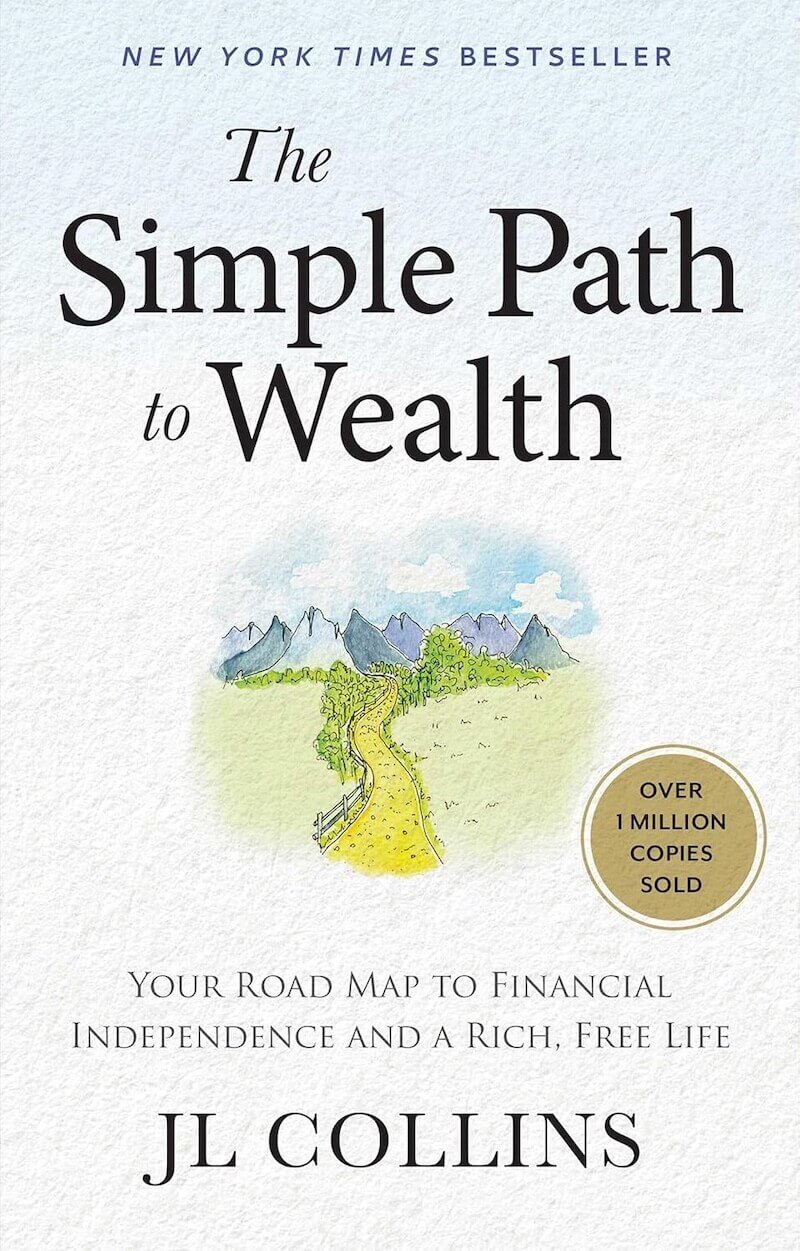
The Simple Path To Wealth Book Summary
This The Simple Path To Wealth Book Summary covers the key ideas, lessons, and takeaways in about 20 minutes.
Understanding that the market has a natural ebb and flow is crucial to investment success. Learn to overcome emotions when investing, as well as your appetite for risk. Remember, if it looks too good to be true, it probably is. Index funds such as VTSAX are the best choice for consistent growth.
As you navigate retirement, be sure to consider that Social Security benefits may not benefit you by the time you retire; the world is an ever-changing place. Plan as if you will not have any benefits, and celebrate later if you can claim them.
Helps with these goals
Want the complete 20-minute summary?
- Full structured summary
- Video Summary
- Podcast Summary
- Audio summary
- Key takeaways
- Exercises
- Quiz
- Highlights and notes
- Ask the book with AI
What is in the The Simple Path To Wealth book summary?
Below is a preview of Sumizeit’s expert-written summary of The Simple Path To Wealth by J L Collins. The full summary covers the book’s key ideas in text, audio, and video.
Key Insights
In “The Simple Plan to Wealth,” by J L Collins breaks down the complexities of personal finances. Instead of introducing you to a new hack that will make you millions, Collins explains how to get your personal finances in order through basic, direct, and easy-to-understand guidelines.
This book is an opportunity to filter out the new-age noise of personal finances and open up your mind to a strategy that will help you build a solid foundation for the growth of funds.
Collins will touch on investing, retirement, as well as a tangible approach to the market, to help anyone who’s ready to take control of their finances understand the intuitive principles it takes to grow their funds confidently in the long term.
Key Points
This Is How To Become Financially Independent
Money holds a tight grasp on our lives. It prevents us from leaving the job we hate, going on vacations, and taking time to do the things we enjoy. Money is a must-have, but it can also feel like a burden when you’re on a tight budget. So, what do you need to feel free? The answer is F-You Money, a savings account that allows you to have more freedom when it comes to money and choices in your life.
To acquire F-You Money, it’s important to change how you think about money. It’s easy to become swept up by what money can buy you immediately. We all love instant gratification! But, what if you turned your thinking to what money can buy you in the future? Think of money as an active worker, like yourself, building overtime in investments. If you switch your mindset, you’ll easily be able to understand how money can accumulate and grow over time and what happiness and freedom it will provide your future self.
Whenever you spend money in the present, whether it’s on a bag of chips and a soda or an expensive new television, you are sacrificing that money’s potential. Instead of blowing that extra money from your paycheck on something frivolous, invest it. Not only will this help grow your account, but it will also serve as a good practice of financial responsibility, building your financial confidence.
Along with investing, you should avoid all debt, especially high-consumer debt. Think about this: every dollar you are spending on interest, you’re working for someone else’s account, not yours. That interest money could have gone into a personal investment for your benefit. You are essentially throwing away your money’s potential.
Saving should also be a top priority. Your goal should be to save 50% of your income. Of course, this means you will have to learn the practice of living frugally.
When it comes to investing, it’s vital to look beyond the numbers. Of course, numbers are important, but all companies have figures that go up and down.
Want the complete 20-minute summary?
- Full structured summary
- Video Summary
- Podcast Summary
- Audio summary
- Key takeaways
- Exercises
- Quiz
- Highlights and notes
- Ask the book with AI
Who should read The Simple Path To Wealth?
The Simple Path to Wealth is ideal for anyone feeling trapped by financial uncertainty or overwhelmed by investing complexity. Whether you're a beginner building your first portfolio, someone seeking financial independence, or approaching retirement, J L Collins offers clear, actionable guidance. This book is perfect for those ready to move beyond get-rich-quick schemes and embrace a proven, long-term wealth-building strategy.
Why does The Simple Path To Wealth matter?
In an era of financial noise and overly complicated investment products, The Simple Path to Wealth cuts through the confusion with timeless principles that actually work. Collins shows that financial freedom isn't about luck or special knowledge—it's about disciplined saving, simple investing, and emotional resilience. This approach has never been more relevant for people seeking independence from jobs they dislike and building genuine security for their future.
What are the key themes in The Simple Path To Wealth?
- Financial independence through intentional spending and investing
- The power of compound interest and long-term thinking
- Market volatility is normal and should be expected, not feared
- Index funds outperform complex strategies and cost less
- Emotional discipline matters more than investment expertise
- Simplicity beats complexity in building sustainable wealth
What are the key lessons from the The Simple Path To Wealth book summary?
F-You Money Provides True Freedom
Building a substantial savings account gives you the power to make life choices based on values rather than desperation. This financial cushion transforms how you approach work, relationships, and personal pursuits.
Reframe Money as a Future Worker
Instead of viewing money only for immediate consumption, think of it as an active employee generating returns through investments. This mindset shift makes delayed gratification feel natural rather than punitive.
Every Dollar of Interest Is Money Lost
Consumer debt and high-interest payments represent money working for creditors instead of your future self. Eliminating debt becomes a wealth-building strategy, not just a personal finance chore.
Aim for a 50% Savings Rate
Aggressive saving isn't deprivation—it's the fastest path to financial independence. This rate accelerates your timeline dramatically compared to modest saving percentages.
Look Beyond Numbers When Investing
While financial metrics matter, sturdy companies with proven resilience protect your capital across market cycles. Quality companies survive crashes and recover stronger.
Market Crashes Are Predictable and Recoverable
History shows that after every major market crash—the 1970s recession, Black Monday, 2008 financial crisis—recovery comes and typically exceeds previous peaks. Understanding this pattern reduces panic during downturns.
Stay Invested Through Volatility
Emotional reactions to market swings cause more damage than the swings themselves. Patience and consistent investing beat timing the market every time.
View Crashes as Buying Opportunities
When markets drop and prices fall, continuing to invest means acquiring more shares at lower prices. This positions you to benefit when the inevitable recovery occurs.
Index Funds Beat Actively Managed Alternatives
Historically, broad index funds outperform expensive actively managed funds while requiring far less mental effort. VTSAX and similar low-cost index funds provide diversified exposure to thousands of companies.
Two-Fund Portfolio Simplicity Is Sufficient
A basic portfolio of VTSAX and VBTLX provides comprehensive diversification and stability without requiring constant monitoring or complex decisions. Simplicity reduces emotional decision-making during volatility.
Rebalancing Keeps You Grounded During Crises
Periodic portfolio rebalancing reinforces your long-term strategy and provides a concrete action to take during market turbulence, preventing panic-driven mistakes.
Ignore Market News and Noise
Financial media thrives on crisis narratives that trigger emotional reactions. Tuning out headlines and focusing on your savings rate and investment discipline produces better outcomes.
Hand-Picked Stocks Are Usually Luck, Not Skill
Attempting to beat the market by selecting individual stocks typically results in underperformance compared to index approaches. Complexity and high fees erode returns without adding genuine value.
Emotions Drive Poor Investment Decisions
Greed and fear cause investors to buy high and sell low—the opposite of wealth building. A systematic, emotion-free strategy protects you from yourself.
Lump-Sum Investing Usually Beats Dollar-Cost Averaging
Since markets trend upward over time, investing larger amounts immediately typically results in better returns than spreading investments evenly. Time in the market beats timing the market.
If It Looks Too Good to Be True, It Is
Investment scams and unrealistic promises proliferate. Maintaining skepticism and sticking to proven, boring strategies protects your wealth from predatory schemes.
Plan Retirement Without Counting on Social Security
Building wealth as if Social Security won't exist forces you to create genuine financial independence. If benefits materialize, they become a bonus rather than a necessity.
Maximize Tax-Advantaged Accounts Strategically
401(k)s, IRAs, Roth IRAs, and HSAs offer powerful tax benefits that compound over decades. Understanding contribution priorities and withdrawal rules amplifies wealth building.
The 4% Withdrawal Rule Sustains Long Retirements
Withdrawing 4% of your portfolio annually provides a sustainable income stream while preserving capital. Flexibility based on market conditions extends your money's longevity.
Donor-Advised Funds Enable Tax-Efficient Giving
Charitable investment accounts allow you to manage donations efficiently while gaining tax benefits. Philanthropy becomes both impactful and financially smart.
Want the complete 20-minute summary?
- Full structured summary
- Video Summary
- Podcast Summary
- Audio summary
- Key takeaways
- Exercises
- Quiz
- Highlights and notes
- Ask the book with AI
How can you apply ideas from The Simple Path To Wealth?
- Build an emergency fund representing your F-You Money—the amount needed to make life choices independently
- Calculate your current savings rate and develop a plan to reach 50% by reducing expenses and increasing income
- Open a low-cost brokerage account and invest your first funds in VTSAX or a comparable total market index fund
- Set up automatic monthly investments to implement dollar-cost averaging and remove emotion from investing decisions
- Create a rebalancing calendar to review and adjust your portfolio quarterly or annually to stay aligned with goals
- Document your investment strategy in writing, then commit to ignoring market news and sticking to your plan
- Audit all high-interest debt and create an elimination timeline that frees up cash for investing
- Map out your retirement account contribution strategy—401(k) match, IRA funding, and HSA maximization in priority order
What common mistakes do readers make with The Simple Path To Wealth?
- Selling investments during market downturns out of fear, locking in losses and missing subsequent recoveries
- Overcomplicating portfolios with too many individual stocks, international funds, or actively managed options
- Attempting to time market entries and exits rather than maintaining consistent, long-term investment discipline
- Ignoring the power of compound interest by prioritizing immediate consumption over future wealth building
- Trusting investment advisors or strategies that promise above-market returns without acknowledging the risks
Sumizeit Exercises Apply what you've learned
Turn ideas from The Simple Path To Wealth into action with a short guided reflection: identify the biggest takeaway, connect it to your life, and commit to one step you can take in the next 24 hours.
What is the expert analysis of The Simple Path To Wealth?
Overview
The Simple Path to Wealth by J.L. Collins stands as a seminal work in the personal finance genre, distinguished by its clarity and accessibility. Collins, a respected financial writer and advocate of the Financial Independence, Retire Early (FIRE) movement, distills complex financial concepts into straightforward advice centered on index fund investing, debt elimination, and disciplined saving. The book’s significance lies in its rejection of get-rich-quick schemes in favor of a patient, resilient, and evidence-based approach to wealth accumulation, making it a cornerstone for readers seeking sustainable financial independence.
Core Thesis
At the heart of Collins’s argument is the conviction that financial freedom is best achieved through simplicity: living below one’s means, avoiding debt, and investing consistently in low-cost index funds, particularly Vanguard’s Total Stock Market Index Fund (VTSAX). He emphasizes the power of compound interest and the importance of maintaining a long-term perspective, especially through market volatility. The thesis challenges the allure of market timing and stock picking, advocating instead for a disciplined, emotion-free investment strategy that leverages broad market exposure to build wealth steadily over time.
Strengths
- Clarity and Accessibility: Collins excels at translating complex financial jargon into plain language, making the principles of investing and saving approachable for novices and seasoned investors alike.
- Emphasis on Psychological Discipline: The book highlights the critical role of emotional resilience in investment success, cautioning against panic selling during market downturns and underscoring patience as a virtue.
- Evidence-Based Strategy: By focusing on index funds and historical market recovery patterns, Collins grounds his advice in well-documented financial research and market history.
- Holistic Financial Planning: Beyond investing, the book addresses debt avoidance, frugality, retirement planning, social security considerations, and philanthropy, offering a comprehensive roadmap for financial independence.
- Practical Tools and Recommendations: Specific guidance on fund selection, portfolio rebalancing, tax-advantaged accounts, and withdrawal strategies provide actionable steps for readers.
Critiques & Counterarguments
- Oversimplification of Market Dynamics: While simplicity is a virtue, the book’s strong endorsement of index funds may understate the potential benefits of active management or alternative asset classes for certain investors, especially in volatile or bear markets.
- Limited Discussion of Global Diversification: Although VTSAX offers broad U.S. market exposure, the book’s treatment of international diversification is somewhat cursory, not fully addressing currency risk or emerging market opportunities.
- Assumption of Stable Economic Conditions: Collins’s confidence in market recovery relies heavily on historical precedent, which may not fully account for unprecedented economic disruptions, geopolitical risks, or systemic financial crises.
- Behavioral Finance Nuances: The advice to “ignore the news” and maintain emotional detachment, while sound, may underestimate the psychological challenges investors face, particularly during prolonged downturns or personal financial stress.
- Social Security and Retirement Uncertainty: The recommendation to plan as if Social Security will not exist reflects prudent skepticism but may induce unnecessary anxiety; policy reforms and demographic shifts could produce a range of outcomes not fully explored in the book.
Who Should Read This
The Simple Path to Wealth is ideally suited for individuals seeking a foundational understanding of personal finance and investment without the intimidation of complex financial instruments or jargon. It appeals to young professionals beginning their financial journey, those disillusioned by the noise and hype of financial markets, and anyone interested in achieving financial independence through disciplined saving and investing. Additionally, readers aligned with the FIRE movement or those contemplating retirement planning will find Collins’s practical, no-nonsense approach invaluable for long-term wealth building and security.
Frequently asked questions about the The Simple Path To Wealth book summary
What is The Simple Path To Wealth about?
The Simple Path to Wealth by J L Collins is a practical guide to building financial independence through straightforward investing principles. The book cuts through complexity to show how simple strategies like index fund investing, aggressive saving, and emotional discipline create lasting wealth more effectively than elaborate or expensive approaches.
Who should read The Simple Path To Wealth?
This book is essential reading for anyone seeking financial independence, from beginners building their first investments to experienced investors tired of complexity. It's particularly valuable for those feeling trapped by debt or traditional employment, anyone approaching retirement without sufficient savings, and anyone overwhelmed by financial decisions. J L Collins writes for practical people who want clear answers, not jargon.
What are the main takeaways from The Simple Path To Wealth?
The core takeaways emphasize simplicity over complexity: use low-cost index funds like VTSAX, maintain emotional discipline during market volatility, save aggressively, avoid debt, and think long-term. Collins also stresses that market crashes are normal and recoverable, that emotions cause investment mistakes more than lack of knowledge, and that building wealth requires sustained patience rather than complicated strategies or special insights.
How does J L Collins approach the stock market and investing?
Collins advocates for index fund investing rather than hand-picking stocks, arguing that broad market exposure beats individual stock selection while costing less in fees. He treats market volatility as normal, uses history to show that crashes have always been followed by recovery, and recommends a simple two-fund portfolio for most investors. His philosophy prioritizes time in the market and emotional discipline over attempts to time entries and exits.
What is F-You Money?
F-You Money is a financial concept Collins presents as a substantial savings account that grants you genuine freedom—the ability to leave a job you hate, pursue different life directions, or make choices based on values rather than desperation. It represents the psychological and practical benefit of having enough financial cushion to take control of your life circumstances.
How much should I save according to The Simple Path to Wealth?
Collins recommends aiming for a 50% savings rate—investing half your income while living on the other half. This aggressive savings target dramatically accelerates your path to financial independence compared to modest savings percentages. While 50% may seem ambitious initially, the book shows how frugal living and mindset shifts make this achievable.
What specific investments does J L Collins recommend?
Collins champions VTSAX (Vanguard Total Stock Market Index Fund) as an excellent core investment offering exposure to 3,700 U.S. companies in a single holding. He recommends a simple two-fund approach pairing VTSAX with VBTLX (a bond index) to balance growth with stability. This strategy avoids the fees and complexity of actively managed funds while providing superior long-term returns.
How should I handle retirement planning according to The Simple Path to Wealth?
Collins advises planning retirement as if Social Security won't exist, building genuine financial independence through your own savings and investments. He emphasizes maximizing tax-advantaged accounts like 401(k)s, IRAs, and Roth IRAs strategically, using the 4% withdrawal rule to sustain long retirements, and considering donor-advised funds for tax-efficient charitable giving. This approach ensures you're financially secure regardless of government benefits.
About Sumizeit
Sumizeit is a profitable Scomy LLC company based in Miami, Florida. It has been helping readers learn from nonfiction books for 7 years with expert-written summaries in text, audio, podcast, and video.
Want the complete 20-minute summary?
- Full structured summary
- Video Summary
- Podcast Summary
- Audio summary
- Key takeaways
- Exercises
- Quiz
- Highlights and notes
- Ask the book with AI
Here's why readers love Sumizeit
Join thousands of learners getting smarter every day
"Great experience. Detailed summaries. Loved the gamification feature. Makes learning fun. Good customer service. I recommend Sumizeit to anyone. You'll learn a lot."
"I always felt busy but still wanting to keep up with the book discussion in my friend group. This was a great supplement to help me keep reading the books I find fun while keeping up with important books."
"I love this website. Instead of scrolling social media, I find myself learning a lot. I use it everyday. I recommend this app for anyone who is too busy and wants to get up to speed with their favorite books."
The Simple Path To Wealth Book Summary PDF
Looking for a The Simple Path To Wealth Book Summary PDF you can save and revisit offline? Our The Simple Path To Wealth Book Summary PDF captures the book’s core ideas in a clean, printable format — the key frameworks, takeaways, and structure without the fluff. Download the The Simple Path To Wealth Book Summary PDF when you want a reference you can annotate, share with your team, or review on the go. Get your The Simple Path To Wealth Book Summary PDF from the download page below.
Download The Simple Path To Wealth Book Summary PDFPeople also liked these summaries
Readers who explored The Simple Path To Wealth often enjoyed these titles next.




Want the complete 20-minute summary?
- Full structured summary
- Video Summary
- Podcast Summary
- Audio summary
- Key takeaways
- Exercises
- Quiz
- Highlights and notes
- Ask the book with AI
Featured Book Titles
Popular Book Summaries at sumizeit, leading book summary app