


As an Amazon Associate, Sumizeit earns from qualifying purchases.
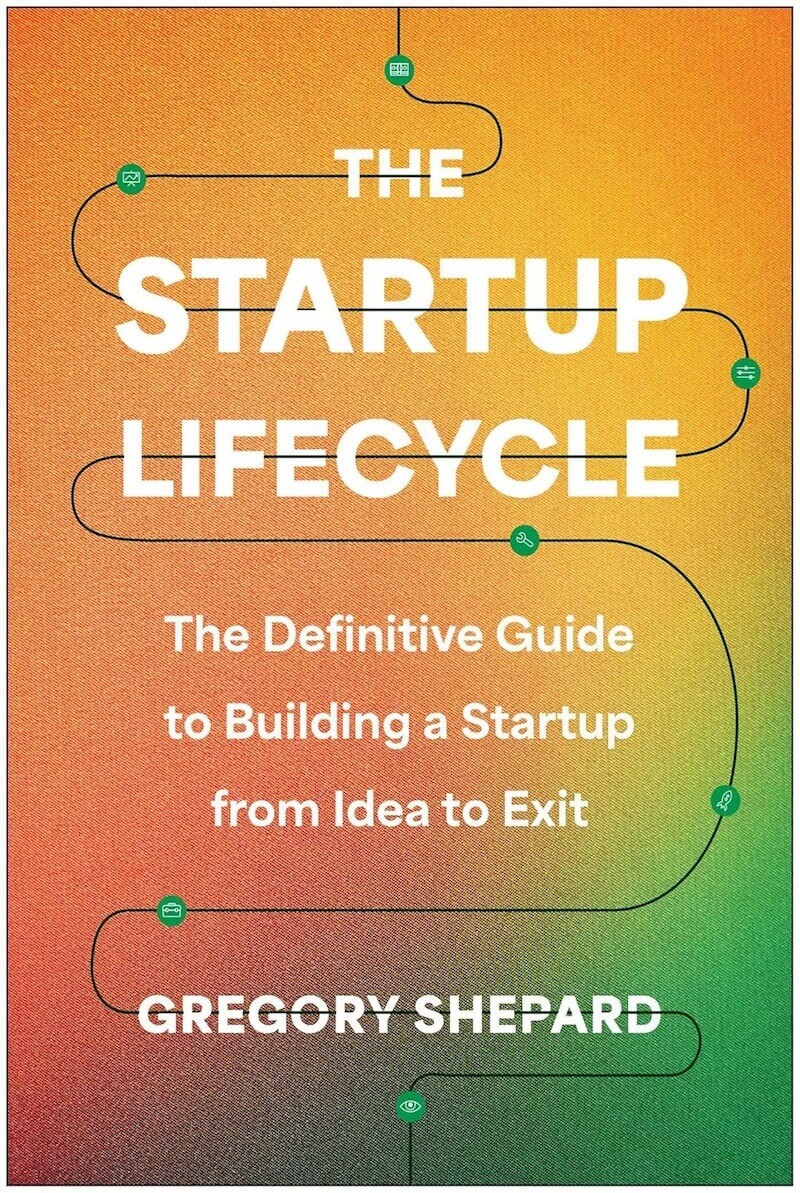
The Startup Lifecycle Book Summary
This The Startup Lifecycle Book Summary covers the key ideas, lessons, and takeaways in about 20 minutes.
Shepard will continually remind you that you are on a journey and should focus on moving from one phase to the next while keeping your exit from day one. It is however, imperative to recognize that you are following a highly accredited startup guru. If you decide to take shortcuts or believe you have a “better” plan of action, you may be sabotaging yourself.
The biggest takeaways are that: with enough drive and fortitude you can overcome all sorts of obstacles on your way to triumph
You are learning from someone who has been there / done that and is a proven expert in startup businesses.
And Shepard wants nothing more than to see people leave the paycheck-to-paycheck lifestyle and create a thriving started up business that that will attract prominent buyers from the lofty mega-companies that stand front and center on modern business horizon.
Helps with these goals
Want the complete 20-minute summary?
- Full structured summary
- Video Summary
- Podcast Summary
- Audio summary
- Key takeaways
- Exercises
- Quiz
- Highlights and notes
- Ask the book with AI
What is in the The Startup Lifecycle book summary?
Below is a preview of Sumizeit’s expert-written summary of The Startup Lifecycle by Gregory Shepard. The full summary covers the book’s key ideas in text, audio, and video.
How to Build, Grow, and Optimize a Business from Vision to Exit by Gregory Shepard, published in 2024 by BenBella Books is an ideal primer or anyone looking to change their life significantly.
Yet, this is more than a book on creating a startup business. Shepard’s personal story weaves its way through the chapters serving as an ongoing motivational master class… with a touch of humor. His lifelong journey goes well beyond the conventional rags to riches story as he defied all odds from growing up well below the poverty line along with personal challenges including Synesthesia, Savant Syndrome, Severe Dyslexia and Autism (ADOS Level 1).
Told by teachers that he would have a very difficult time doing anything worthwhile, Shepard went from humble beginnings selling rattlesnakes (until his mom put him out of businesses) to numerous other positions which eventually led to him building his own startup, Affiliate Traction, with intent to sell. He later did just that, enjoying a remarkable nearly 10-figure exit.
He then paid his success forward guiding a dozen startup founders along the path from vision to highly lucrative exits.
Cautionary Chapters
After the opening chapter in which Shepard recalls his early years and before moving into the seven phases of the startup lifecycle, Shepard provides a couple of cautionary chapters, one of which talks about how Silicon Valley can swallow up startups quickly if you let them. Well aware of the enticing image put forth by Silicon Valley where venture capitalists thrive, Shepard is quick to warn newcomers that this may not be the best atmosphere for wide-eyed eager newcomers trying to gain funding for their fledgling startups.
In the following chapter he provides a necessary, yet often overlooked, discussion on why startups fail at a rate of 90 percent. Utilizing the research from various studies, articles, case studies, government records, academic studies, and 1,200 one-to-one interviews conducted by Shepard with founders, entrepreneurs, investors, Air Force Fighter Pilots, and even Navy Seals he presents actionable strategies for mapping out a plan to avoid failure. He proceeds to elaborate on the five key reasons startups fail.
5.) The common mistake of Listening to Bad Advice.
Let the Startup Journey Begin
Despite being a risk taker, Shepard believes that success comes from putting one foot ahead of the other and following a proven path, which he introduces in seven compressive chapters that take a deep dive into the seven phases of startups, all of which he says are vital to a successful journey from vision to exit.
“I’ve always had an eye for opportunities, and a willingness to throw myself in at the deep end, figure things out and turn opportunities into real money,” explains Shepard before launching into the Seven Phases of the Startup Lifestyle
In Phase One: Vision, North Star & Focusing on the End Game, Shepard acknowledges that having a vision is not something that cannot be taught, but is inherent to the process.
This is where you, as founder, define your clear…
Want the complete 20-minute summary?
- Full structured summary
- Video Summary
- Podcast Summary
- Audio summary
- Key takeaways
- Exercises
- Quiz
- Highlights and notes
- Ask the book with AI
Who should read The Startup Lifecycle?
The Startup Lifecycle is ideal for aspiring entrepreneurs and business founders who want to escape the paycheck-to-paycheck cycle and build a scalable company. Whether you're just starting out with a business idea or already running an enterprise, this book serves anyone with entrepreneurial ambition who believes in learning from proven frameworks rather than trial-and-error alone. It's particularly valuable for those willing to take calculated risks and follow a structured path to a profitable exit.
Why does The Startup Lifecycle matter?
With 90% of startups failing, The Startup Lifecycle provides a roadmap to beat the odds by teaching the seven critical phases every founder must navigate. Gregory Shepard distills decades of personal business experience and research from 1,200+ founder interviews into actionable strategies that address the five key reasons startups fail. In today's competitive startup ecosystem, having a clear exit strategy from day one and understanding each phase of growth is essential to building a business that attracts serious buyers.
What are the key themes in The Startup Lifecycle?
- The Seven Phases of the Startup Lifecycle
- Building the right management team and avoiding costly hiring mistakes
- Developing a clear vision and North Star to guide your journey
- Creating a minimum viable product and gathering customer feedback
- Go-to-market strategies tailored to your stage and market conditions
- Standardization and optimization to increase margins and valuation
- Planning your exit strategy from day one, not as an afterthought
What are the key lessons from the The Startup Lifecycle book summary?
Vision is inherent, not taught
A founder's vision cannot be manufactured through training; it is a core part of who you are. External validation from experts and mentors helps refine and confirm whether your vision is achievable and worth pursuing.
Define your North Star early
Your North Star acts as your business GPS, keeping you aligned with your ultimate goal. Without it, Shepard argues your chances of failure are nearly 100%.
Create an exit plan on day one
Knowing your destination and how you'll get there is vital to any successful startup journey. An exit strategy from the beginning prevents costly missteps and guides every major decision you make.
Prototypes are learning tools, not finished products
Your first prototype will likely need refinement based on customer feedback. Treating initial misalignment as a learning opportunity rather than a catastrophe allows you to build a more durable and customer-focused startup.
Go-to-market varies by stage
GTM strategies look different depending on where you are in the startup lifecycle. Early-stage startups should focus on proving customer demand and revenue potential to attract investors, while enterprise startups use GTM for broader market positioning.
Standardization enables scaling
Consistent processes, policies, and protocols across your organization allow everyone to execute the same playbook. This uniformity is foundational to scaling without chaos.
Optimization increases valuation more than growth alone
Making products leaner, faster, and better while improving margins is where most acquirers find value. Optimization is about working smarter, not just selling more.
Kaizen (continuous improvement) compounds over time
Japanese methodology of incremental improvement applied consistently can dramatically improve operations, margins, and ultimately your company's attractiveness to buyers.
KPIs drive decision-making in growth phase
Leading and lagging KPIs, growth rates, churn rate, and retention metrics determine which activities to prioritize. Focus on the metrics that potential acquirers value most.
The Five Whys uncover root causes
When something fails, asking why five times reveals the true underlying issue rather than surface-level symptoms. This practice accelerates problem-solving and prevents recurring failures.
Wrong management team is the #1 reason startups fail
Hiring the wrong leaders derails even the best ideas. Building the right team early is non-negotiable for success.
Targeting wrong customers wastes resources
Understanding and serving the right customer segment is critical. Misaligned customer targeting drains capital and signals poor market fit.
Overvaluation kills deals and investor relationships
Inflating your startup's worth beyond its actual metrics damages credibility and prevents serious acquisition conversations. Valuation should be grounded in real data.
Bad advice can derail your entire journey
Following unproven advice from the wrong people—even well-intentioned counsel—can sabotage your startup. Work with advisors who have demonstrated success in your space.
Silicon Valley hype can be a trap
Venture capital funding and Silicon Valley prestige can distract founders from fundamentals. The startup path that works for one company may not work for yours.
Mindset and resilience overcome obstacles
A positive mindset combined with determination and willingness to take calculated risks enables you to overcome personal and business challenges that would stop others.
Opportunities are everywhere
Successful founders develop the ability to spot and seize opportunities others miss. This skill compounds when combined with a willingness to dive deep and figure things out.
Know which phase you're in
Clarity on your current phase prevents misaligned decisions. Each phase has unique priorities; confusing them causes wasted effort and delays progression toward exit.
Due diligence preparation begins during growth phase
Operating like a well-optimized machine before exit conversations start puts you in a position of strength during negotiations. Acquirers assess operations before bidding.
Relationships with potential acquirers matter
Building authentic relationships with potential buyers throughout your startup journey increases likelihood of favorable exit terms and smoother acquisitions.
Want the complete 20-minute summary?
- Full structured summary
- Video Summary
- Podcast Summary
- Audio summary
- Key takeaways
- Exercises
- Quiz
- Highlights and notes
- Ask the book with AI
How can you apply ideas from The Startup Lifecycle?
- Define your startup's clear vision and identify external experts who can validate whether it's achievable before investing significant capital
- Develop a minimum viable product quickly, gather customer feedback, and iterate based on real market response rather than assumptions
- Document your go-to-market strategy specific to your current lifecycle phase and adjust as you move into new phases
- Create a company operations manual standardizing all key processes so team members execute consistently at every level
- Implement leading and lagging KPI tracking systems to measure what drives valuation: growth, margin, and retention
- Establish relationships with potential acquirers early and maintain them throughout your growth phase to facilitate future exit conversations
- Conduct regular optimization reviews using the Five Whys methodology to eliminate bottlenecks and improve operational margins
What common mistakes do readers make with The Startup Lifecycle?
- Skipping the exit strategy conversation and treating it as something to figure out only when selling—this delays critical decisions about company structure, margins, and valuation
- Hiring a management team based on resume pedigree rather than ability to execute your specific vision and values, causing misalignment and dysfunction
- Pursuing customer segments or markets that sound appealing without validating actual demand, leading to wasted resources and inability to attract investors
- Taking advice from mentors or investors with misaligned incentives or track records, causing you to abandon proven startup frameworks for shortcuts that backfire
Sumizeit Exercises Apply what you've learned
Turn ideas from The Startup Lifecycle into action with a short guided reflection: identify the biggest takeaway, connect it to your life, and commit to one step you can take in the next 24 hours.
What is the expert analysis of The Startup Lifecycle?
Overview
The Startup Lifecycle by Gregory Shepard emerges as a significant contribution to the entrepreneurial literature landscape, particularly for those seeking a structured, experience-driven guide to navigating the perilous journey of startup creation and growth. Published in 2024 by BenBella Books, this work distinguishes itself through the author’s compelling blend of personal narrative and practical business acumen. Shepard, a seasoned entrepreneur with a remarkable track record of building and selling multiple companies, leverages his lived experience—overcoming neurodivergent challenges and poverty—to offer readers both inspiration and actionable frameworks. His unique perspective enriches the genre, positioning the book as both a motivational memoir and a tactical manual.
Core Thesis
At the heart of Shepard’s argument lies the conviction that startups succeed not by chance but through a disciplined adherence to a clearly defined lifecycle composed of seven vital phases—from vision and prototyping to growth and exit strategy. He posits that a founder’s mindset, combined with rigorous planning and iterative optimization, can dramatically improve the odds against the daunting 90% failure rate typical in startups. Central to this thesis is the insistence on beginning with a clear vision and exit plan, validating assumptions early, and continuously refining the product and business model based on real-world feedback. Shepard’s framework underscores that success is a sequential journey marked by deliberate milestones rather than spontaneous breakthroughs.
Strengths
- Integration of Personal Narrative and Practical Guidance: Shepard’s candid recounting of his struggles with dyslexia, autism, and poverty injects authenticity and motivational power into the business lessons, making the book resonate on an emotional as well as intellectual level.
- Comprehensive Lifecycle Framework: The delineation of seven distinct phases provides a clear roadmap that demystifies the startup process, offering readers a structured approach to what is often perceived as chaotic and unpredictable.
- Emphasis on Validation and Iteration: Shepard’s focus on prototype development and customer feedback aligns well with contemporary lean startup methodologies, reinforcing best practices in product-market fit discovery.
- Pragmatic Warnings and Realistic Outlook: The cautionary chapters addressing Silicon Valley’s pitfalls and common failure modes ground the book in reality, steering readers away from naive optimism.
- Rich Use of Anecdotes and Analogies: The author’s use of vivid metaphors—such as his El Capitan climb and Muir Trail backpacking—enhances comprehension and engagement, making complex business concepts more accessible.
Critiques & Counterarguments
- Potential Oversimplification of Startup Success: While the seven-phase model is useful, the book may understate the complexity and variability inherent in different industries and market conditions, potentially leading readers to underestimate contextual nuances.
- Limited Engagement with Contradictory Research: Shepard’s framework largely aligns with lean startup and traditional entrepreneurial wisdom but does not sufficiently address emerging critiques of these models, such as the risks of over-optimization or the viability of non-linear, serendipitous growth paths.
- Heavy Reliance on Personal Experience: Although compelling, Shepard’s personal anecdotes may not universally translate across diverse founder backgrounds or global startup ecosystems, limiting the book’s applicability beyond Western contexts.
- Exit-Centric Focus: The emphasis on planning for a lucrative exit from day one may overshadow alternative entrepreneurial motivations, such as social impact or lifestyle businesses, which do not prioritize acquisition or IPO as end goals.
- Silicon Valley Bias: Despite warnings, the book’s framing occasionally centers on Silicon Valley paradigms, which may not reflect the realities of startups operating in different economic or regulatory environments.
Who Should Read This
The Startup Lifecycle is ideally suited for aspiring entrepreneurs and early-stage founders who crave a methodical, experience-informed blueprint to navigate the startup journey. It appeals particularly to readers who value a blend of motivational storytelling and pragmatic business strategy, including those transitioning from traditional employment to entrepreneurship. Additionally, individuals interested in understanding the operational and strategic milestones critical to scaling a startup and preparing for exit will find Shepard’s insights invaluable. However, seasoned entrepreneurs seeking deep theoretical innovation or those pursuing non-traditional startup models may find the book less aligned with their needs.
Frequently asked questions about the The Startup Lifecycle book summary
What is The Startup Lifecycle about?
The Startup Lifecycle by Gregory Shepard is a comprehensive guide that maps out seven critical phases every founder must navigate to build and exit a successful startup. The book combines Shepard's personal journey from poverty to building and selling businesses worth nearly $1 billion with frameworks, real-world research, and strategies to help entrepreneurs avoid the 90% failure rate and achieve a profitable exit.
Who should read The Startup Lifecycle?
This book is ideal for aspiring entrepreneurs, current founders, and anyone looking to escape the paycheck-to-paycheck lifestyle by building a scalable business. It's particularly valuable for those who believe in following proven frameworks and are willing to take calculated risks. Whether you're at the idea stage or already running a company, this book provides actionable guidance grounded in real experience.
What are the main takeaways from The Startup Lifecycle?
The main takeaways are: (1) Follow the seven phases of the startup lifecycle systematically; (2) Create an exit strategy on day one, not as an afterthought; (3) Avoid the five key reasons startups fail—wrong team, wrong customers, no exit plan, overvaluation, and bad advice; (4) Treat each phase as having unique priorities and milestones; (5) With the right mindset and calculated risk-taking, you can overcome obstacles and build a business attractive to major acquirers.
What are the seven phases of the startup lifecycle?
The seven phases are: (1) Vision—define your clear vision and North Star; (2) Prototype & Product—develop your MVP and gather feedback; (3) Go-To-Market—launch with proven customer demand; (4) Standardization—create uniform processes and systems; (5) Optimization—improve margins and efficiency; (6) Growth—scale with focus on acquirer-valued metrics; (7) Exit—negotiate a profitable sale with prepared buyers.
Why do 90% of startups fail according to The Startup Lifecycle?
Gregory Shepard identifies five key reasons startups fail: building the wrong management team, targeting the wrong customers, overlooking an exit strategy from the start, overvaluing the startup, and listening to bad advice. These insights are based on 1,200+ interviews with founders, investors, and entrepreneurs, as well as extensive research into startup failure patterns. Shepard then provides actionable strategies to address each failure point.
How does Gregory Shepard's personal story relate to the book?
Shepard grew up in poverty and overcame significant challenges including dyslexia, autism, and savant syndrome—conditions teachers said would limit his success. Despite these obstacles, he built and sold 12 businesses, with two achieving nearly a $1 billion exit in 2016. His personal journey weaves through the book as motivation, demonstrating that with the right mindset, frameworks, and determination, anyone can achieve startup success regardless of their circumstances.
Should I pursue venture capital funding in Silicon Valley?
The Startup Lifecycle cautions that Silicon Valley's venture capital ecosystem can distract wide-eyed founders from fundamentals and may not align with every startup's path to success. Shepard warns that the VC model works for some companies but can trap others in unfavorable terms and misaligned incentives. The book recommends evaluating whether VC funding supports your specific exit strategy before pursuing it.
How early should I start planning my exit?
According to The Startup Lifecycle, you should plan your exit from day one. Your exit strategy should inform decisions about company structure, management team composition, margin targets, and growth priorities throughout the entire startup lifecycle. Waiting until you're ready to sell to think about exit often results in a less attractive company and missed leverage in negotiations.
About Sumizeit
Sumizeit is a profitable Scomy LLC company based in Miami, Florida. It has been helping readers learn from nonfiction books for 7 years with expert-written summaries in text, audio, podcast, and video.
Want the complete 20-minute summary?
- Full structured summary
- Video Summary
- Podcast Summary
- Audio summary
- Key takeaways
- Exercises
- Quiz
- Highlights and notes
- Ask the book with AI
Here's why readers love Sumizeit
Join thousands of learners getting smarter every day
"Great experience. Detailed summaries. Loved the gamification feature. Makes learning fun. Good customer service. I recommend Sumizeit to anyone. You'll learn a lot."
"I always felt busy but still wanting to keep up with the book discussion in my friend group. This was a great supplement to help me keep reading the books I find fun while keeping up with important books."
"I love this website. Instead of scrolling social media, I find myself learning a lot. I use it everyday. I recommend this app for anyone who is too busy and wants to get up to speed with their favorite books."
The Startup Lifecycle Book Summary PDF
Looking for a The Startup Lifecycle Book Summary PDF you can save and revisit offline? Our The Startup Lifecycle Book Summary PDF captures the book’s core ideas in a clean, printable format — the key frameworks, takeaways, and structure without the fluff. Download the The Startup Lifecycle Book Summary PDF when you want a reference you can annotate, share with your team, or review on the go. Get your The Startup Lifecycle Book Summary PDF from the download page below.
Download The Startup Lifecycle Book Summary PDFPeople also liked these summaries
Readers who explored The Startup Lifecycle often enjoyed these titles next.


Want the complete 20-minute summary?
- Full structured summary
- Video Summary
- Podcast Summary
- Audio summary
- Key takeaways
- Exercises
- Quiz
- Highlights and notes
- Ask the book with AI
Featured Book Titles
Popular Book Summaries at sumizeit, leading book summary app