


As an Amazon Associate, Sumizeit earns from qualifying purchases.
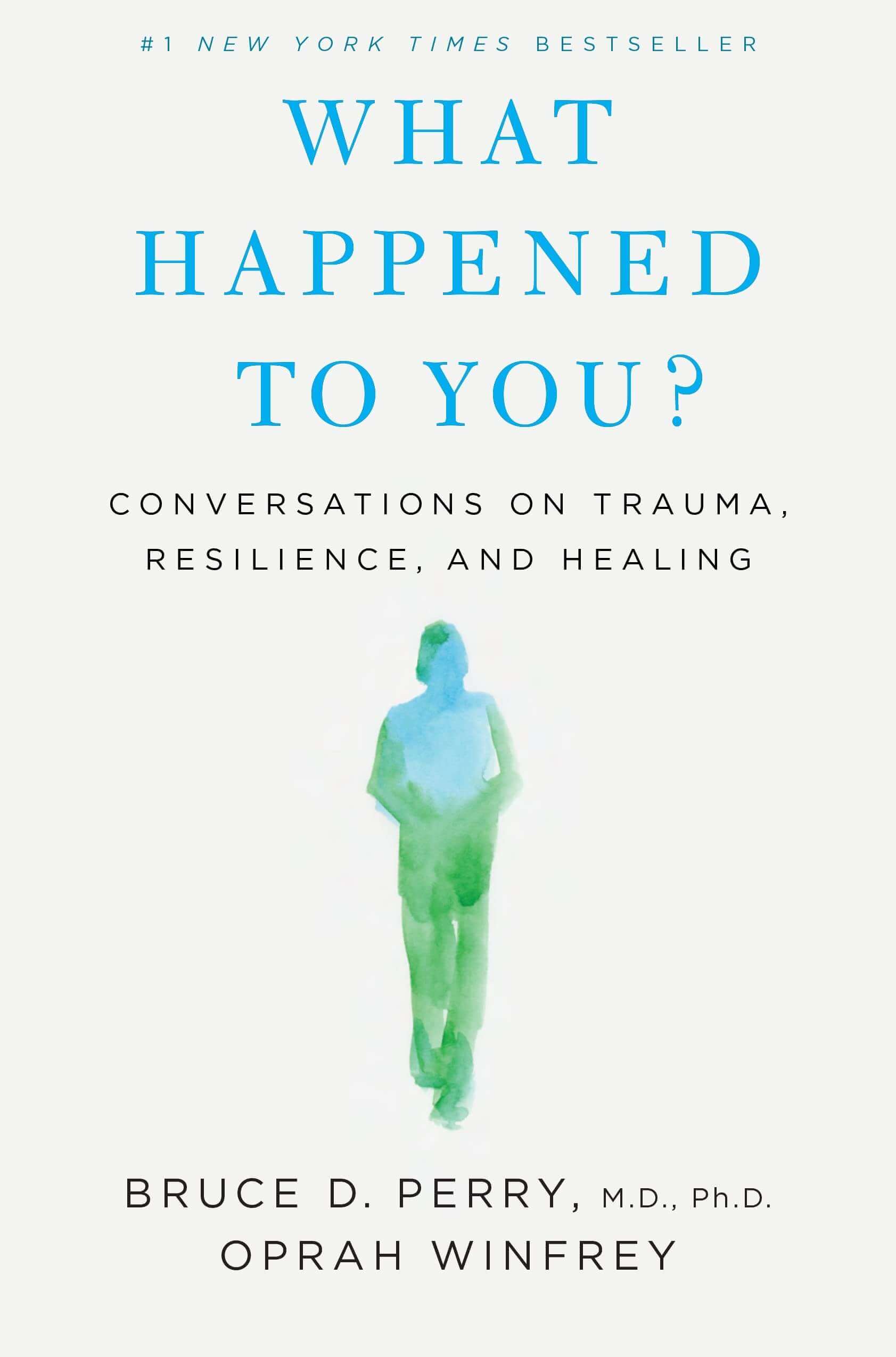
What Happened to You? Book Summary
This What Happened to You? Book Summary covers the key ideas, lessons, and takeaways in about 20 minutes.
The key message to remember is that traumatic experiences can be overcome with the right support. While it's commonly believed that children are inherently resilient and can effortlessly bounce back from trauma, research proves otherwise. Children's developing brains are highly susceptible to the effects of trauma, even if the scars are not immediately visible. Their academic performance may require more energy, and their physical health can deteriorate due to the impact of stress on their neuroendocrine systems, potentially increasing the risk of conditions like diabetes.
Trauma survivors require long-term support, extending well into adulthood. This support must come from providers who understand the intricacies of working with traumatized brains. Equally important is the ongoing support provided by communities.
Oprah Winfrey's personal journey to healing her own trauma exemplifies the transformative power of creating community. Despite her initial experiences of loneliness and isolation, she has dedicated her career to fostering connections. Through countless interviews, she has shown millions of individuals that they are not alone in their experiences of trauma and abuse. In essence, Oprah has cultivated a community she never had.
Healing from trauma necessitates support from our communities. It extends beyond therapy and familial assistance to encompass our schools, workplaces, justice systems, and places of worship. Developing trauma-informed communities is paramount. With the right support, we can all learn to live with trauma and extract wisdom from our post-traumatic experiences.
In summary, the prevalence of trauma calls for a collective response. By fostering supportive communities, we can help individuals overcome the lasting effects of trauma. Recognizing the significance of ongoing support and providing trauma-informed care within all facets of society, we can create an environment where post-traumatic healing and growth become attainable for everyone.
Helps with these goals
Want the complete 20-minute summary?
- Full structured summary
- Video Summary
- Podcast Summary
- Audio summary
- Key takeaways
- Exercises
- Quiz
- Highlights and notes
- Ask the book with AI
What is in the What Happened to You? book summary?
Below is a preview of Sumizeit’s expert-written summary of What Happened to You? by Dr. Bruce Perry and Oprah Winfrey. The full summary covers the book’s key ideas in text, audio, and video.
"What Happened to You?" delves deep into the intricate realm of trauma and its profound impact on the human brain. This enlightening book unveils how traumatic experiences etch themselves into our neural pathways long before we can comprehend them rationally. These experiences shape our responses to stress, influence the way we build relationships, and shape our search for meaning in life. However, trauma remains widely misunderstood in society.
Through a comprehensive exploration, authors Bruce D. Perry and Oprah Winfrey emphasize that trauma is not solely an individual issue but also a societal concern. By recognizing trauma as both a brain-related matter and a collective problem, we can embark on a journey of support for trauma survivors, equipping them with the necessary tools to embark on the path to healing. "What Happened to You?" presents a valuable perspective on trauma, fostering empathy and understanding while shedding light on the vital importance of providing compassionate care and support to those affected by trauma.
Unveiling the Turbulent Childhood of Oprah Winfrey: Triumph over Trauma
Oprah Winfrey, a prominent media personality and philanthropist, was born on January 29, 1954, in Kosciusko, Mississippi. Her childhood was marked by a series of traumatic experiences that profoundly shaped her life and eventually fueled her passion for supporting trauma survivors.
Oprah's earliest memories revolve around the intense loneliness she felt as a young child. Her mother, Vernita Lee, was a teenager at the time of Oprah's birth and struggled to provide both financially and emotionally for her daughter. As a result, Oprah spent her early years being passed between different family members, never finding a stable home. Tragically, the neglect she experienced went hand in hand with severe physical abuse inflicted by these relatives.
These traumatic events left an indelible mark on Oprah's worldview, influencing her perceptions of others and herself. Moreover, they had a tangible impact on the formation of her brain. Oprah's childhood trauma led her to develop coping mechanisms such as people-pleasing and overeating, which she would later confront and overcome.
Understanding the profound effects of trauma became a personal journey for Oprah. She recognized that to heal, she needed to confront and unravel the experiences that had shaped her. This realization fueled her advocacy for trauma survivors and her collaboration with renowned psychiatrist Dr. Bruce Perry to increase awareness and understanding of the impact of trauma, particularly on young individuals.
Oprah Winfrey's childhood experiences serve as a testament to the power of resilience and personal growth. Despite the hardships she endured, she emerged as a beacon of hope, using her platform to shed light on the significance of trauma and the transformative potential of healing. Through her work, Oprah has inspired countless individuals to confront their own traumas and embark on a journey of healing and empowerment.
The Neurosequential Model: Tailoring Therapeutic Approaches for Trauma Survivors
The co-author, Bruce D. Perry, is a prominent American psychiatrist who has made significant contributions to the field of trauma psychiatry.
Want the complete 20-minute summary?
- Full structured summary
- Video Summary
- Podcast Summary
- Audio summary
- Key takeaways
- Exercises
- Quiz
- Highlights and notes
- Ask the book with AI
Who should read What Happened to You??
What Happened to You? is essential for anyone seeking to understand trauma's profound effects on the brain and behavior—including parents, educators, healthcare professionals, and survivors themselves. If you've experienced adversity or work with vulnerable populations, this book provides the neuroscience and compassion needed to foster healing. Even those without direct trauma experience will gain invaluable insight into why people respond to stress the way they do.
Why does What Happened to You? matter?
With nearly half of all U.S. children experiencing serious trauma and 60 percent of adults having endured at least one traumatic event, understanding trauma has become a societal imperative. What Happened to You? bridges the gap between neuroscience and compassion, revealing how trauma rewires the brain and how communities can collectively support recovery. In a world marked by rising violence and intolerance, this book offers both explanation and hope—showing that with proper support, traumatic experiences can be overcome.
What are the key themes in What Happened to You??
- Trauma's neurobiological impact on brain development and stress response
- The importance of self-regulation and positive coping strategies
- Trauma as a societal issue rather than individual pathology
- The role of community and relationships in healing
- Systemic racism and intergenerational trauma
- The limitations of resilience myths and the need for long-term support
What are the key lessons from the What Happened to You? book summary?
Trauma lives in multiple brain regions, not just conscious memory
Traumatic experiences are encoded in the brain stem and survival systems, not merely in the cortex, which is why trauma survivors often react instinctively to triggers before their rational mind engages. Understanding this neurological reality helps explain why willpower alone cannot override trauma responses.
The Neurosequential Model prioritizes bottom-up healing
Rather than diving straight into talk therapy, effective trauma treatment must first stabilize the body and survival systems through sleep, exercise, and physical care. Only after the nervous system is regulated can higher-order cognitive healing begin.
Dysregulation in childhood creates lifelong struggles with self-soothing
When caregivers fail to consistently meet a child's needs, the child's core regulatory networks become impaired, leaving them prone to unhealthy coping mechanisms like addiction and eating disorders in adulthood. Learning positive regulation strategies is possible but requires intentional effort.
Childhood resilience is a myth that leads to neglect
Children's developing brains are highly vulnerable to trauma's effects, even when external scars are invisible. The belief that kids naturally bounce back can mask serious hidden damage to academic performance, physical health, and emotional development.
Trauma survivors need long-term, ongoing support across all life stages
Healing from trauma extends far beyond childhood therapy and requires sustained support from communities, institutions, workplaces, and faith communities well into adulthood. One-time interventions are insufficient for deep, lasting recovery.
Racism compounds trauma and requires institutional accountability
Trauma experienced by people of color occurs within historical contexts of violence, enslavement, and systemic discrimination. Institutions serving trauma survivors must actively dismantle racist practices and biases to provide equitable care.
Trauma is intergenerationally transmitted through both narrative and genetics
Traumatic experiences pass down through families not only through stories and emotional contagion but also through genetic modifications that heighten survival instincts in descendants. This explains why healing one generation can break cycles for future ones.
People-pleasing and self-neglect are common trauma survival adaptations
Trauma survivors often develop patterns of prioritizing others' needs over their own as a coping mechanism learned in abusive environments. Recognizing these patterns is the first step toward establishing healthy boundaries.
The Tree of Regulation represents interconnected systems governing stress, relationships, and reward
The brain contains core regulatory networks that work together to maintain balance; when properly developed through nurturing caregiving, they create resilience, but when impaired by trauma or neglect, they generate dysregulation and vulnerability. Understanding this system is key to targeted healing.
Recognizing body signals is foundational to healing
Many trauma survivors become disconnected from physical sensations of stress and exhaustion as a survival adaptation. Relearning how to notice and respond to these signals is essential for developing healthy self-care practices.
Community connection is as vital as clinical treatment
While therapy and professional support are important, true healing requires the ongoing presence of supportive communities that help individuals recognize they are not alone. Collective healing efforts extend beyond individual counseling sessions.
Unresolved trauma manifests as societal violence and intolerance
When a significant portion of the population carries sensitized stress responses from unprocessed trauma, aggression and prejudice become normalized societal patterns. Addressing trauma collectively is an act of violence prevention.
Trauma-informed care must be embedded in all institutions
Schools, workplaces, justice systems, and places of worship must adopt trauma-informed practices to support survivors effectively. Piecemeal approaches limited to clinical settings cannot address the full scope of healing needed.
Hyperarousal in trauma survivors is a brain protection mechanism, not a character flaw
Individuals with trauma histories experience exaggerated threat responses because their brains have learned that danger is real and imminent. Compassion rather than criticism is needed to address this neurobiological reality.
Healing involves extracting wisdom from post-traumatic experience
The goal of trauma recovery is not to erase the past but to integrate experiences into a life narrative that includes growth, meaning, and resilience. This perspective transforms suffering into a source of strength and insight.
Inconsistent caregiving is as damaging as outright abuse
Children thrive with predictable, attuned caregivers; when caregiving is erratic or emotionally unavailable, it damages the developing brain's ability to trust and self-regulate, even if physical abuse is absent.
Food, substances, and self-harm are often regulatory attempts, not moral failures
When trauma survivors turn to maladaptive coping mechanisms, they are attempting to access reward systems or numb distress; effective treatment replaces these with healthier regulatory alternatives rather than punishment alone.
Professional support must be trauma-informed and evidence-based
Not all therapy approaches are equally effective for trauma survivors; interventions must align with neuroscience and account for how different brain regions process traumatic experiences. Providers need specialized training in trauma-informed care.
Systemic barriers disproportionately harm children from marginalized communities
Children of color experience higher rates of family separation, overmedication, and institutional labeling due to systemic racism intersecting with trauma responses. Justice-oriented trauma work requires addressing these inequities.
Want the complete 20-minute summary?
- Full structured summary
- Video Summary
- Podcast Summary
- Audio summary
- Key takeaways
- Exercises
- Quiz
- Highlights and notes
- Ask the book with AI
How can you apply ideas from What Happened to You??
- Establish healthy sleep, exercise, and touch-based routines to regulate your nervous system before attempting cognitive or emotional work
- Practice recognizing your body's stress signals throughout the day and develop a personal toolkit of healthy self-soothing techniques
- Advocate for trauma-informed policies and training in schools, workplaces, and community institutions you are part of
- Build or join supportive communities where shared experiences reduce isolation and foster collective healing
- When parenting or caregiving, prioritize consistent, attuned responsiveness to build healthy regulatory networks in children
- Challenge racist and discriminatory practices in institutions serving vulnerable populations
- Shift conversations about difficult behavior from blame to curiosity: ask 'What happened to you?' rather than 'What's wrong with you?'
What common mistakes do readers make with What Happened to You??
- Assuming children naturally bounce back from trauma without recognizing invisible neurological damage affecting academics, health, and relationships
- Jumping straight to talk therapy without first stabilizing the nervous system through basic physical self-care and regulation
- Treating trauma as purely an individual problem rather than recognizing systemic and community dimensions that require collective solutions
- Judging trauma survivors' coping mechanisms as character flaws rather than understanding them as adaptive brain responses to past danger
Sumizeit Exercises Apply what you've learned
Turn ideas from What Happened to You? into action with a short guided reflection: identify the biggest takeaway, connect it to your life, and commit to one step you can take in the next 24 hours.
What is the expert analysis of What Happened to You??
Overview
What Happened to You? is a collaborative work by Dr. Bruce D. Perry, a distinguished psychiatrist specializing in trauma, and Oprah Winfrey, an influential media figure and advocate for trauma survivors. The book stands out for its synthesis of cutting-edge neuroscience with deeply personal narrative, bridging clinical insight and lived experience. This union offers a compelling exploration of trauma’s pervasive impact on the brain and behavior, while advocating for a societal shift in understanding and responding to trauma. Its significance lies not only in elucidating the neurobiological underpinnings of trauma but also in framing trauma as a collective challenge rather than an isolated affliction.
Core Thesis
The central argument of What Happened to You? is that trauma fundamentally shapes the brain’s architecture and the individual’s stress responses long before conscious cognition develops. Perry and Winfrey contend that trauma is encoded in neural pathways, influencing emotional regulation, relational capacity, and worldview. Crucially, the book reframes trauma from a purely individual pathology to a societal phenomenon requiring communal recognition and intervention. Healing, they argue, necessitates trauma-informed care that addresses dysregulated survival systems through tailored therapeutic approaches, such as Perry’s Neurosequential Model, and the cultivation of supportive, empathetic communities.
Strengths
- Integration of Neuroscience and Narrative: The book excels in making complex neurobiological concepts accessible through relatable storytelling, particularly through Oprah’s candid recounting of her traumatic childhood and recovery journey.
- Innovative Therapeutic Framework: Perry’s Neurosequential Model offers a nuanced, developmentally informed approach to trauma therapy that prioritizes regulation of primitive brain systems before cognitive interventions, a significant advancement over traditional talk therapies.
- Societal and Cultural Contextualization: The authors adeptly situate trauma within systemic issues such as racism, highlighting intergenerational transmission and institutional complicity, thereby broadening the discourse beyond individual pathology.
- Emphasis on Community and Long-Term Support: The book’s insistence on trauma-informed communities and sustained care challenges the often fragmented mental health landscape, advocating for holistic societal engagement.
- Accessible and Compassionate Tone: The collaborative voice of a clinician and a public figure fosters empathy and reduces stigma, encouraging a wider audience to engage with the subject matter.
Critiques & Counterarguments
- Empirical Rigor and Generalizability: While the Neurosequential Model is innovative, some critics might argue that the evidence base supporting its efficacy across diverse populations remains limited compared to more established trauma therapies such as EMDR or CBT.
- Potential Oversimplification of Trauma Responses: The book’s emphasis on brain-based mechanisms may underplay the complexity of socio-cultural, economic, and psychological factors that mediate trauma outcomes, risking reductionism.
- Intergenerational Trauma and Epigenetics: The discussion on inherited trauma via genetic modification, while intriguing, is still a developing field with contested findings; some scholars caution against deterministic interpretations that could overshadow individual variability and resilience.
- Opposing Therapeutic Paradigms: Schools of thought emphasizing narrative reconstruction, meaning-making, or existential approaches might critique the book’s focus on physiological regulation as insufficient for addressing the full spectrum of trauma’s psychological impact.
- Challenges in Addressing Systemic Racism: Although the book acknowledges institutional racism’s role in trauma, practical strategies for dismantling these systemic barriers are less developed, potentially leaving readers seeking concrete policy or advocacy guidance wanting.
Who Should Read This
What Happened to You? is essential reading for mental health professionals, educators, social workers, and policymakers seeking a deeper understanding of trauma’s neurobiological roots and its societal dimensions. It also benefits survivors of trauma and their support networks by providing validation and practical insights into healing. Moreover, anyone interested in the intersections of neuroscience, psychology, and social justice will find the book’s integrative approach enlightening. Its accessible prose makes it suitable for a broad audience committed to fostering empathy, informed care, and systemic change in how trauma is perceived and addressed.
Frequently asked questions about the What Happened to You? book summary
What is What Happened to You? about?
What Happened to You? by Dr. Bruce Perry and Oprah Winfrey explores how trauma physically rewires the brain and affects every aspect of human functioning, from stress responses to relationships. The book combines cutting-edge neuroscience with personal narrative to explain trauma's lasting effects and presents evidence-based approaches to healing, emphasizing that recovery requires both individual therapeutic work and supportive communities.
Who should read What Happened to You??
This book is essential for parents, educators, mental health professionals, social workers, and anyone working with vulnerable populations. It's equally valuable for trauma survivors seeking to understand their own experiences and for general readers wanting to build empathy and awareness around trauma's prevalence and impact in society.
What are the main takeaways from What Happened to You??
Key takeaways include: trauma is encoded in the brain's survival systems, not just conscious memory; healing requires bottom-up stabilization before top-down cognitive work; children need long-term support, not just resilience; and trauma is fundamentally a societal issue requiring community-wide solutions. The book also emphasizes that with proper support, trauma survivors can heal and transform their experiences into wisdom.
What is the Neurosequential Model and why does it matter?
The Neurosequential Model, developed by Dr. Perry, is a framework for tailoring trauma treatment to how different brain regions process trauma. It prioritizes stabilizing the survival systems first through physical regulation (sleep, exercise, touch) before engaging higher-order cognitive and emotional work. This bottom-up approach has proven more effective than traditional talk therapy alone for many trauma survivors.
How does racism relate to trauma according to the book?
What Happened to You? explains that trauma experienced by people of color occurs within historical contexts of systemic violence, enslavement, and discrimination. Racial trauma can be inherited genetically, and institutions must actively dismantle racist practices to provide equitable trauma-informed care. The book argues that addressing racism is integral to addressing trauma as a societal issue.
Can trauma be healed, or does it stay with you forever?
According to What Happened to You?, traumatic experiences can be overcome with the right support, though the goal is not to erase them but to integrate them into a meaningful life narrative. Healing is an ongoing process requiring long-term support from multiple sources—therapy, community, institutions—and results in survivors extracting wisdom and resilience from their experiences rather than remaining stuck in victimhood.
How does childhood trauma affect adult relationships and behavior?
What Happened to You? explains that early trauma impairs the development of core regulatory networks, leading adults to struggle with self-soothing and healthy relationships. Trauma survivors often develop maladaptive coping mechanisms like addiction, people-pleasing, or emotional avoidance. Understanding these patterns as survival adaptations rather than character flaws is essential for both self-compassion and effective healing.
About Sumizeit
Sumizeit is a profitable Scomy LLC company based in Miami, Florida. It has been helping readers learn from nonfiction books for 7 years with expert-written summaries in text, audio, podcast, and video.
Want the complete 20-minute summary?
- Full structured summary
- Video Summary
- Podcast Summary
- Audio summary
- Key takeaways
- Exercises
- Quiz
- Highlights and notes
- Ask the book with AI
Here's why readers love Sumizeit
Join thousands of learners getting smarter every day
"Great experience. Detailed summaries. Loved the gamification feature. Makes learning fun. Good customer service. I recommend Sumizeit to anyone. You'll learn a lot."
"I always felt busy but still wanting to keep up with the book discussion in my friend group. This was a great supplement to help me keep reading the books I find fun while keeping up with important books."
"I love this website. Instead of scrolling social media, I find myself learning a lot. I use it everyday. I recommend this app for anyone who is too busy and wants to get up to speed with their favorite books."
What Happened to You? Book Summary PDF
Looking for a What Happened to You? Book Summary PDF you can save and revisit offline? Our What Happened to You? Book Summary PDF captures the book’s core ideas in a clean, printable format — the key frameworks, takeaways, and structure without the fluff. Download the What Happened to You? Book Summary PDF when you want a reference you can annotate, share with your team, or review on the go. Get your What Happened to You? Book Summary PDF from the download page below.
Download What Happened to You? Book Summary PDFPeople also liked these summaries
Readers who explored What Happened to You? often enjoyed these titles next.





Want the complete 20-minute summary?
- Full structured summary
- Video Summary
- Podcast Summary
- Audio summary
- Key takeaways
- Exercises
- Quiz
- Highlights and notes
- Ask the book with AI
Featured Book Titles
Popular Book Summaries at sumizeit, leading book summary app