


As an Amazon Associate, Sumizeit earns from qualifying purchases.
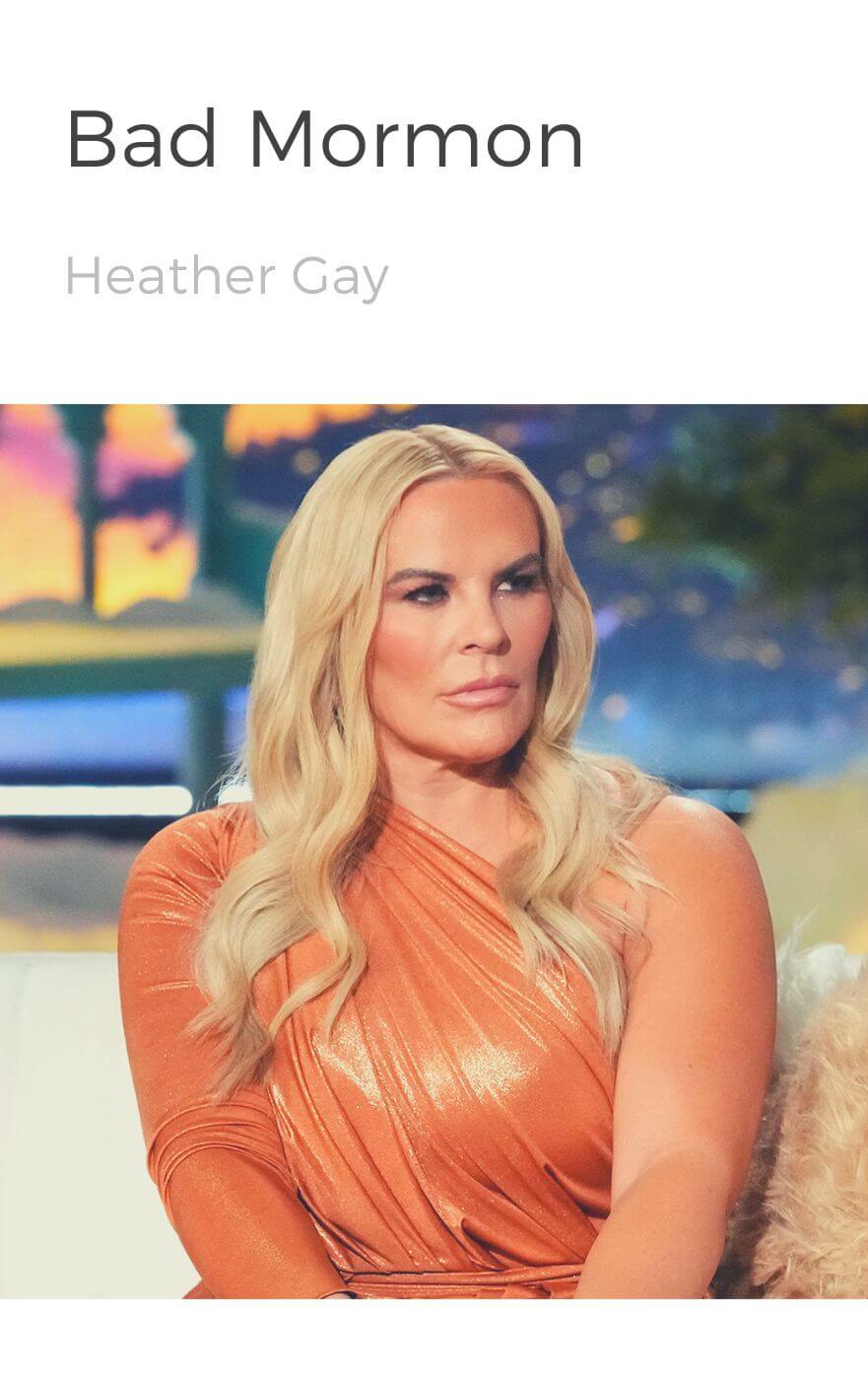
Bad Mormon Book Summary
This Bad Mormon Book Summary covers the key ideas, lessons, and takeaways in about 20 minutes.
Bad Mormon is a funny, honest, and vulnerable memoir. Gay writes about her life with humor and self-deprecation. She is not afraid to share her struggles, both personal and professional. Bad Mormon is a must-read for anyone who is interested in the Mormon Church, addiction, or the journey of self-discovery.
Want the complete 20-minute summary?
- Full structured summary
- Video Summary
- Podcast Summary
- Audio summary
- Key takeaways
- Exercises
- Quiz
- Highlights and notes
- Ask the book with AI
What is in the Bad Mormon book summary?
Below is a preview of Sumizeit’s expert-written summary of Bad Mormon by Heather Gay. The full summary covers the book’s key ideas in text, audio, and video.
"Bad Mormon" is a memoir written by Heather Gay, a cast member on the popular reality TV show "The Real Housewives of Salt Lake City." The book chronicles Gay's life growing up in a strict Mormon household, her struggles with faith, and her journey to find happiness and fulfillment.
Gay was raised in a devout Mormon family in Utah, where adherence to the Church's strict rules and regulations was paramount. As a child, Gay was taught to believe that obedience and submission to authority were the keys to happiness and salvation. However, as she grew older, Gay began to question the teachings of the Church and the restrictions placed on her life.
Gay's struggles with her faith intensified when she discovered she was gay. She describes the immense pressure she felt to suppress her feelings and conform to the expectations of her family and the Church. Despite her attempts to conform, Gay ultimately realized that she could not deny her true identity and came out to her family and friends.
Gay's journey to self-acceptance was not without its challenges, and she describes the pain of losing relationships with friends and family members who could not accept her sexuality. However, she also shares the joy of finding love and building a community of supportive friends.
Throughout the book, Gay is candid about her experiences with addiction and the role it played in her life. She describes how her struggles with alcohol and drugs began as a way to cope with the pressure to conform to the Church's teachings and the pain of denying her true self. However, she also shares the hope and strength she found in recovery and the importance of seeking help when struggling with addiction.
"Bad Mormon" is a compelling and honest account of one woman's journey to find happiness and fulfillment in a world that often demands conformity and obedience. Gay's story is one of resilience, courage, and ultimately, self-love.
Part 1 - Growing Up Gay in the Kingdom of God
Part 1 covers Heather Gay's childhood and teenage years, growing up in a strict Mormon family in Utah.
In the first chapter, "Church Girls Don't Get Laid," Gay sets the scene for her upbringing, describing her family's deep faith and her own earnest desire to be a good Mormon. She talks about the importance of obedience and purity, and how these values were instilled in her from a young age.
Chapter 2, "The Man Upstairs," delves deeper into Gay's relationship with God and her struggles with doubt and fear. She talks about the punishing nature of Mormon theology, with its emphasis on sin and punishment, and how this impacted her view of herself and the world around her.
Chapter 3, "Homo on the Range," is where Gay first reveals her sexuality. She talks about her earliest memories of attraction to other girls, and how confusing and isolating these feelings were in the context of her strict Mormon upbringing.
Want the complete 20-minute summary?
- Full structured summary
- Video Summary
- Podcast Summary
- Audio summary
- Key takeaways
- Exercises
- Quiz
- Highlights and notes
- Ask the book with AI
Who should read Bad Mormon?
Bad Mormon is for anyone who has struggled with religious upbringing, identity conflicts, or the pressure to conform to strict social expectations. It resonates particularly with LGBTQ+ individuals, those who have left high-control religious communities, and people navigating recovery from addiction or mental health challenges. The memoir also appeals to fans of honest, vulnerable storytelling and those seeking inspiration for authentic living.
Why does Bad Mormon matter?
Bad Mormon addresses the real human costs of rigid religious doctrine and provides a candid exploration of how faith communities can both sustain and harm their members. In an era where conversations about religious trauma, LGBTQ+ acceptance, and mental health are increasingly important, Heather Gay's memoir offers a powerful voice that validates the experiences of those caught between cultural expectations and personal truth. Her story demonstrates that leaving behind deeply ingrained beliefs and building a life of authenticity is possible, even when the cost is high.
What are the key themes in Bad Mormon?
- Religious trauma and its lasting impact on identity
- LGBTQ+ self-discovery in restrictive environments
- Addiction as a coping mechanism for internal conflict
- The journey from shame to self-acceptance
- Navigating family relationships across ideological divides
- Reality TV as both opportunity and burden
- The complexity of forgiveness and healing
- Living authentically in the space between worlds
What are the key lessons from the Bad Mormon book summary?
Rigid belief systems can create internal conflict for those who don't fit the mold
When institutions demand conformity in core aspects of identity, the resulting cognitive dissonance can lead to profound psychological distress and maladaptive coping mechanisms.
Suppressing your true self comes at a significant emotional cost
Denying fundamental aspects of who you are—whether sexuality, values, or desires—often leads to depression, anxiety, and other mental health struggles that require professional support to address.
Coming out or leaving a community requires courage and carries real consequences
Breaking with family and community expectations often means losing relationships and support systems, making the decision to live authentically both liberating and deeply painful.
Addiction frequently emerges as a symptom of deeper psychological pain
Substance abuse often masks underlying trauma, shame, or unprocessed emotional conflict; treating addiction requires addressing its root causes, not just the behavior.
Recovery is possible with proper support and commitment to change
Therapy, support groups, medication, and community can provide the foundation needed to overcome addiction and rebuild a meaningful life after hitting bottom.
Family relationships can survive ideological differences, but require intentional work
Co-parenting with an ex-spouse from a different faith background, or maintaining bonds with family members who reject your choices, demands clear boundaries and compassion.
Public visibility amplifies both the rewards and costs of sharing your story
Reality TV fame can provide a platform to inspire others but also exposes you to intense scrutiny, criticism, and loss of privacy that can be emotionally destabilizing.
Living authentically requires embracing ambiguity and rejecting binary thinking
Moving beyond black-and-white Mormon doctrine means learning to live in moral and spiritual gray zones where you define your own values rather than inheriting them.
Forgiveness is as much about releasing your own pain as absolving others
Holding grudges—whether toward the institution that harmed you, family members who rejected you, or yourself for past choices—keeps you trapped in victimhood rather than moving toward healing.
Redefining success and happiness on your own terms is liberating but disorienting
When you've been taught your entire life what happiness should look like, discovering what actually fulfills you requires time, experimentation, and permission to fail.
Mental health struggles are legitimate consequences of religious trauma, not personal failures
Depression and anxiety in those raised in high-control environments reflect the real psychological impact of these systems, not character flaws or lack of faith.
Finding or building new community after leaving one is essential to healing
Replacing the lost social structure and belonging of a religious community with authentic friendships and support networks is crucial for sustainable recovery and growth.
Your past experiences—even the painful ones—can become your greatest source of wisdom and compassion
Being a 'bad Mormon' equipped Heather Gay with empathy, resilience, and perspective that allows her to help others navigating similar struggles with authenticity and hope.
Honesty about ongoing struggles is more powerful than projecting false recovery
Acknowledging that healing is not linear and that you still battle demons demonstrates genuine growth and gives permission for others to do the same.
Your voice and perspective matter, even when they contradict the authority figures in your life
Trusting your own instincts and experiences over external pressure—even from parents or religious leaders—is a core component of developing healthy self-agency.
Dating and intimacy carry different challenges when you're recovering from religious shame
Learning to navigate relationships, sexuality, and vulnerability as an adult while unlearning decades of purity messaging requires patience, self-compassion, and often professional support.
Institutional pressure to maintain appearances often causes more damage than the 'sin' itself
The demand to hide, deny, or suppress who you are frequently causes more psychological harm than the actual behaviors or identities the institution condemns.
Belonging to a high-control group comes with a steep psychological price that extends into adulthood
Even after leaving, members often struggle with trust, shame, perfectionism, and difficulty making autonomous decisions due to the deep conditioning of their early years.
Authentic connection requires vulnerability and the willingness to be truly seen by others
Building genuine friendships and relationships means dropping the carefully constructed personas you may have learned to present in your family or faith community.
Living your best life means honoring your own timeline and pace for healing
There is no single right way to recover from religious trauma or construct your adult identity; your journey is uniquely yours, and self-compassion matters more than speed.
Want the complete 20-minute summary?
- Full structured summary
- Video Summary
- Podcast Summary
- Audio summary
- Key takeaways
- Exercises
- Quiz
- Highlights and notes
- Ask the book with AI
How can you apply ideas from Bad Mormon?
- If you're questioning your faith or religious upbringing, identify specific beliefs that feel inauthentic and journal about why they conflict with your values or identity
- Seek out therapy or support groups specifically designed for people leaving high-control religious groups or recovering from religious trauma
- Set clear boundaries with family members about what you will and won't discuss regarding your beliefs, sexuality, or lifestyle choices
- If you struggle with substance use or mental health issues, recognize them as symptoms worth addressing at their root rather than character flaws to hide
- Build intentional community with people who accept and affirm all of who you are, rather than expecting your family of origin to meet that need
- Practice self-compassion exercises when shame from your past arises, recognizing that you internalized those values as a child without full agency
- If you share your story publicly, establish clear boundaries around what aspects of your private life you will protect and how you'll handle criticism
What common mistakes do readers make with Bad Mormon?
- Assuming that leaving a faith community will automatically resolve depression, anxiety, or addiction—these often require dedicated mental health treatment and time
- Expecting family members to suddenly accept your choices or identity simply because you've explained your reasoning; people rarely change their beliefs on demand
- Cutting off all community ties without building new support systems first, leaving you isolated and vulnerable to relapse or crisis
- Believing that staying closeted or conforming will eventually feel normal or comfortable—suppressing your identity typically intensifies psychological distress over time
- Rejecting all aspects of your religious upbringing without discerning which values actually serve you and which were purely imposed
Sumizeit Exercises Apply what you've learned
Turn ideas from Bad Mormon into action with a short guided reflection: identify the biggest takeaway, connect it to your life, and commit to one step you can take in the next 24 hours.
What is the expert analysis of Bad Mormon?
Overview
"Bad Mormon" is a memoir by Heather Gay, a notable figure both for her candid reality TV presence on "The Real Housewives of Salt Lake City" and her deeply personal narrative of growing up within—and ultimately breaking away from—the stringent confines of Mormonism. The book stands out as a significant cultural document that sheds light on the often unspoken psychological and emotional struggles faced by individuals raised in highly orthodox religious environments. Gay’s unique vantage point as both an insider and a critic of the Mormon faith, combined with her public persona, amplifies the memoir’s resonance in contemporary discussions about faith, identity, and personal liberation.
Core Thesis
At its heart, "Bad Mormon" argues that rigid religious dogma, particularly within the Mormon Church, can inflict profound psychological distress and social alienation on those who do not conform to its prescribed norms. Gay’s journey illustrates how the intersection of faith, sexuality, addiction, and mental health creates a complex terrain where obedience to institutional expectations often clashes with authentic selfhood. The memoir posits that true fulfillment arises not from blind adherence but from embracing one’s identity, seeking forgiveness, and cultivating self-love—even when this necessitates leaving behind deeply ingrained belief systems.
Strengths
- Authentic Voice: Gay’s unflinching honesty about her struggles with faith, sexuality, addiction, and mental health lends the memoir a raw emotional power that invites empathy and reflection.
- Cultural Insight: The book offers a nuanced portrayal of Mormon culture, illuminating its social dynamics, doctrinal strictness, and the pressures it exerts on members, particularly women and LGBTQ individuals.
- Intersectional Narrative: By intertwining themes of religion, sexuality, addiction, and media exposure, Gay presents a multifaceted exploration of identity formation and resilience.
- Accessibility: The memoir’s structure, blending personal anecdotes with broader cultural critique, makes it accessible to both insiders familiar with Mormonism and outsiders seeking to understand its impact.
- Hope and Recovery: The narrative arc from despair to healing offers a compelling testament to the possibilities of transformation through self-acceptance and support.
Critiques & Counterarguments
- Potential Oversimplification: While the memoir powerfully captures Gay’s personal experience, it occasionally risks portraying the Mormon Church in monolithic terms, potentially overlooking the diversity of belief and practice within the faith community.
- Selective Evidence: The narrative relies heavily on personal testimony and anecdotal evidence, which, while compelling, may not fully represent the broader sociological or theological complexities of Mormonism or religious disaffiliation.
- Reality TV Influence: The integration of Gay’s reality TV persona might blur the lines between authentic self-representation and performative identity, raising questions about the memoir’s balance between vulnerability and spectacle.
- Competing Perspectives on Faith and Identity: Some theological scholars and faithful members argue that religious adherence can coexist with LGBTQ identities and mental health struggles, suggesting that the conflict depicted may be more reflective of institutional rigidity than inherent doctrinal mandates.
- Broader Sociocultural Context: Research into religious exit narratives indicates that experiences vary widely; some individuals find empowerment within reform movements or alternative spiritual frameworks rather than complete departure, a nuance less emphasized in Gay’s account.
Who Should Read This
- Readers Interested in Religious Studies: Those seeking an intimate, lived-experience perspective on Mormonism and its cultural impact will find this memoir illuminating.
- LGBTQ+ Individuals from Conservative Backgrounds: Gay’s story offers solidarity and insight into the challenges of reconciling faith and sexual identity.
- Mental Health Advocates and Professionals: The candid discussion of addiction and recovery within a religious context provides valuable material for understanding the intersection of spirituality and psychological well-being.
- Fans of Memoir and Reality TV Culture: Readers intrigued by the interplay between personal narrative and media representation will appreciate the book’s exploration of public and private selves.
- General Readers Seeking Stories of Resilience: Anyone interested in narratives of courage, self-discovery, and transformation will find inspiration in Gay’s journey toward authenticity and self-love.
Frequently asked questions about the Bad Mormon book summary
What is Bad Mormon about?
Bad Mormon is Heather Gay's candid memoir about growing up in a strict Mormon household while secretly grappling with her LGBTQ+ identity, her struggles with addiction and mental health, and her eventual journey toward authenticity and self-acceptance. The book chronicles her childhood in Utah, her time at Brigham Young University, her marriage and divorce, her appearance on The Real Housewives of Salt Lake City, and her ongoing process of healing and defining happiness on her own terms.
Who should read Bad Mormon?
Bad Mormon is essential reading for anyone who has experienced religious trauma, struggled with LGBTQ+ identity in a conservative environment, battled addiction, or felt pressured to conform to rigid family or community expectations. It also resonates with people interested in honest memoirs, the psychology of high-control groups, reality TV behind-the-scenes stories, and narratives about recovery and authentic living.
What are the main takeaways from Bad Mormon?
The core lessons include: rigid religious systems can cause profound psychological harm to those who don't fit their mold; suppressing your true identity often leads to addiction and mental health crises; authentic living requires courage and may mean losing relationships with family and community; and healing is possible through therapy, support, and self-compassion. Bad Mormon ultimately demonstrates that embracing your authentic self, even when it contradicts your upbringing, is the path to genuine fulfillment.
How does Heather Gay describe her experience coming out as LGBTQ+?
Gay describes her journey as one marked by profound isolation, shame, and confusion in her strict Mormon upbringing, where same-sex attraction was condemned. She details the immense pressure to suppress her feelings, her attempts to conform, and eventually her realization that denying her sexuality was causing her serious psychological harm. Coming out to her family and community was both liberating and devastating, as it cost her relationships but ultimately allowed her to live authentically.
What role does addiction play in Bad Mormon?
Addiction is portrayed not as a moral failing but as a symptom of Gay's deeper struggle to reconcile her true identity with the demands of her religious upbringing. She candidly describes using alcohol and drugs to cope with shame, depression, and internal conflict, and how her addiction spiraled into a serious crisis. Her recovery process, involving therapy, support groups, and medication, demonstrates that treating addiction requires addressing its underlying causes and building genuine support systems.
How does reality TV factor into Bad Mormon?
The latter sections of the memoir explore Gay's experience as a cast member on The Real Housewives of Salt Lake City, revealing how public visibility both provided opportunities for growth and exposed her to intense scrutiny and criticism. She discusses how the show challenged her relationships, required her to revisit past traumas on camera, and complicated her journey of self-discovery, showing that fame is a double-edged sword for those sharing vulnerable stories.
Does Bad Mormon offer hope for people still struggling with religious trauma?
Yes, Bad Mormon is fundamentally a story of resilience and hope. While Gay doesn't sugarcoat the pain of leaving her faith community or overcoming addiction, she demonstrates that recovery, healing, and authentic living are possible with proper support, time, and self-compassion. Her journey shows that being a 'bad Mormon'—someone who doesn't fit the mold—can become a source of strength and wisdom rather than shame.
What does Gay mean by living 'in the gray'?
Living 'in the gray' refers to Gay's adult experience of navigating life in the space between her Mormon upbringing and her fully secular identity, without fitting neatly into either world. It represents the complexity of maintaining ties to family members who are still religious while building a life based on her authentic values, and accepting that healing and identity formation are ongoing, ambiguous processes rather than reaching a fixed destination.
About Sumizeit
Sumizeit is a profitable Scomy LLC company based in Miami, Florida. It has been helping readers learn from nonfiction books for 7 years with expert-written summaries in text, audio, podcast, and video.
Want the complete 20-minute summary?
- Full structured summary
- Video Summary
- Podcast Summary
- Audio summary
- Key takeaways
- Exercises
- Quiz
- Highlights and notes
- Ask the book with AI
Here's why readers love Sumizeit
Join thousands of learners getting smarter every day
"Great experience. Detailed summaries. Loved the gamification feature. Makes learning fun. Good customer service. I recommend Sumizeit to anyone. You'll learn a lot."
"I always felt busy but still wanting to keep up with the book discussion in my friend group. This was a great supplement to help me keep reading the books I find fun while keeping up with important books."
"I love this website. Instead of scrolling social media, I find myself learning a lot. I use it everyday. I recommend this app for anyone who is too busy and wants to get up to speed with their favorite books."
Bad Mormon Book Summary PDF
Looking for a Bad Mormon Book Summary PDF you can save and revisit offline? Our Bad Mormon Book Summary PDF captures the book’s core ideas in a clean, printable format — the key frameworks, takeaways, and structure without the fluff. Download the Bad Mormon Book Summary PDF when you want a reference you can annotate, share with your team, or review on the go. Get your Bad Mormon Book Summary PDF from the download page below.
Download Bad Mormon Book Summary PDFPeople also liked these summaries
Readers who explored Bad Mormon often enjoyed these titles next.


Want the complete 20-minute summary?
- Full structured summary
- Video Summary
- Podcast Summary
- Audio summary
- Key takeaways
- Exercises
- Quiz
- Highlights and notes
- Ask the book with AI
Featured Book Titles
Popular Book Summaries at sumizeit, leading book summary app