


As an Amazon Associate, Sumizeit earns from qualifying purchases.
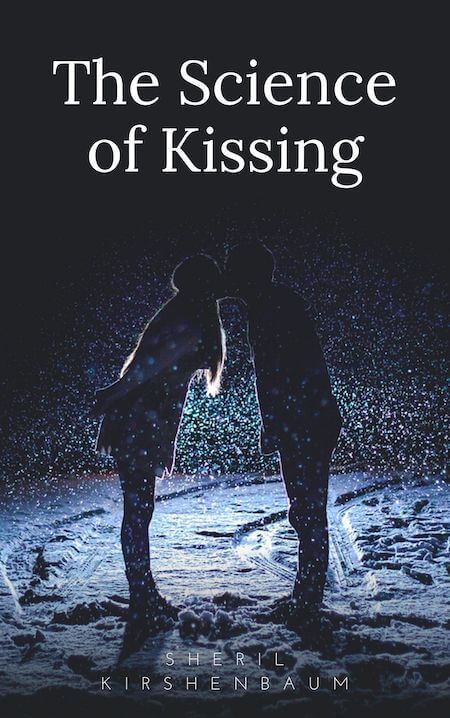
The Science of Kissing Book Summary
This The Science of Kissing Book Summary covers the key ideas, lessons, and takeaways in about 20 minutes.
Helps with these goals
Want the complete 20-minute summary?
- Full structured summary
- Video Summary
- Podcast Summary
- Key takeaways
- Exercises
- Quiz
- Highlights and notes
- Ask the book with AI
What is in the The Science of Kissing book summary?
Below is a preview of Sumizeit’s expert-written summary of The Science of Kissing by Sheril Kirshenbaum. The full summary covers the book’s key ideas in text, audio, and video.
When we experience our first romantic kiss, most likely as a teenager or a young adult, the specific mechanics of our happily locking lips are unlikely to be at the forefront of our minds. Instead, we are probably focusing on the new sensations we are encountering and the romantic feelings that are starting to emerge.
But, what if we knew more about what was really happening when we kissed another person? Would a better understanding of how things were occurring ‘behind the scenes’ lead to higher quality smooches later on?
Sheril Kirshenbaum, the author of The Science of Kissing, postulates that humans can indeed become more competent kissers if they challenge themselves to learn about the historical foundations of smacking lips. We also must value the physiological purposes and implications of what we-- humans and many other animals alike--feel naturally compelled to experience when we encounter the primal pull of attraction.
Love and Trust
After we are born, we quickly become acclimated to being nursed by our mothers. It is through this initial mother-child bonding that babies become comfortable using their lips. In addition to nursing, babies use their lips for self-soothing activities, such as when they suck their thumbs. Even the act of nursing itself is relaxing for babies and makes them feel loved.
In fact, centuries ago, mothers took the use of lips with their babies a step further, often participating in premastication or the process of feeding mouth-to-mouth. While this might sound gross to contemporary moms, women used to lack the ability to have their babies’ food mashed mechanically, so premastication served as a transitional step between breastfeeding and solid food.
To this day, premastication is employed by many different animals, including apes and birds. In some cultures, it is still a practice that is implemented by humans as well. Premastication not only increases a baby’s attachment to their mother, but it also strengthens a child’s emotional foundation for the kissing that is likely to occur later in life.
A recent study found that in modern Egypt, more than 39 out of 119 communities still utilize premastication, which can also be effective in warding off illness.
Social Purposes
While we most often think of kissing as a precursor to--or a piece of--sexual activity, there are actually social reasons behind it as well.
In the Middle Ages, you would kiss people in different places depending on their social status. For instance, if you were greeting a priest, you would kiss his cloth and if you were greeting the Pope, you would kiss his slippers or ring. When you were kissing the ground, that usually meant that you were greeting a King.
Similar to the way that we use ‘x’s’ to represent kisses when we are typing out messages on a computer, the letter ‘x’ used to be found on contracts so that they could be signed by way of a kiss.
Want the complete 20-minute summary?
- Full structured summary
- Video Summary
- Podcast Summary
- Key takeaways
- Exercises
- Quiz
- Highlights and notes
- Ask the book with AI
Who should read The Science of Kissing?
This book is ideal for anyone curious about the biological and evolutionary foundations of human behavior. Whether you're interested in romance, health, science, or simply understanding the mechanisms behind everyday human interactions, The Science of Kissing offers accessible insights that bridge popular science and personal relationships.
Why does The Science of Kissing matter?
In an age of superficial connections and dating apps, understanding the deep biological purpose of kissing reconnects us to our evolutionary heritage and the genuine chemistry that matters. Sheril Kirshenbaum's exploration reveals that kissing isn't frivolous—it's a sophisticated biological process that influences immune compatibility, emotional bonding, and overall health.
What are the key themes in The Science of Kissing?
- Evolutionary biology of human bonding
- Chemical and neurological responses to kissing
- Genetic compatibility and MHC genes
- Gender differences in mating strategies
- Social and cultural meanings of kissing across history
- Trust and communication through physical contact
- Health benefits and stress reduction
- Instinctual versus conscious decision-making in attraction
What are the key lessons from the The Science of Kissing book summary?
Kissing activates the same brain regions as cocaine
The rush from kissing comes from adrenaline, dopamine, and serotonin flooding your brain, creating a natural high comparable to drug use. This explains why kissing can be genuinely addictive.
Your sense of smell drives attraction more than you realize
During a kiss, you're not just tasting—you're sampling someone's scent through their armpits, neck, face, and other scent glands. This olfactory information determines biological compatibility.
MHC genes determine who smells attractive to you
Humans are biologically attracted to people with dissimilar MHC genes, which produce stronger immune systems in offspring. This is why you instinctively reject kissing family members.
Kissing is a compatibility test, not just foreplay
Women subconsciously use kissing to evaluate whether a partner is suitable for intimacy, while men use it strategically to increase the likelihood of sex. One in eight women won't have sex with someone they haven't kissed first.
Men and women kiss for fundamentally different reasons
Women kiss to assess mate quality and genetic compatibility, while men use kissing with more tongue to transfer testosterone and signal dominance. This biological divergence has shaped kissing behavior across cultures.
Oxytocin is the bonding hormone released during kissing
Kissing triggers oxytocin release, which decreases stress, strengthens emotional attachments, and produces the same pleasure sensations as orgasm at lower levels. This hormone is central to why kissing feels so emotionally significant.
Kissing reduces cortisol and boosts immune function
By lowering stress hormone cortisol during kissing, you improve blood pressure, immune response, and overall health. This makes kissing one of the simplest health interventions available.
Early lip contact shapes lifelong bonding capacity
Infants who experience mouth-to-mouth nurturing through breastfeeding and premastication develop stronger emotional foundations for romantic kissing later in life. This early lip sensitivity becomes hardwired into our limbic system.
Kissing has served social and formal purposes throughout history
From sealing contracts with kisses marked as 'x' to showing deference by kissing religious figures' clothing, kissing has communicated social hierarchy and agreement across cultures. This shows kissing extends far beyond romance.
Nearly all animals have kissing-like behaviors
Nuzzling, sniffing, licking, and caressing across animal species mirror human kissing, suggesting a deep evolutionary foundation for this bonding behavior. Even bonobos kiss with lips and tongues like humans.
A kiss conveys different messages depending on context
The kiss you give a family member signals familial trust, while the kiss you give a romantic partner signals sexual and emotional compatibility. The same physical act carries different biological meanings based on MHC similarity.
Kissing is fundamentally about exchanging information
Every kiss transfers chemical and biological data between partners—scent profiles, immune markers, genetic compatibility signals, and emotional states. You're literally reading someone's biology through their lips.
Your lips contain extraordinarily sensitive nerve endings
The lips' dense concentration of nerve endings directly stimulate the limbic system, the brain region controlling love, passion, and lust. This neurological architecture makes kissing a uniquely intense sensory experience.
Governments have historically tried to ban kissing for health reasons
During the Great Plague and during HIV prevention campaigns, authorities banned kissing, though evidence for effectiveness remains unclear. These bans reveal how threatening kissing's power seems to institutional control.
Understanding kissing mechanics improves kissing quality
Kirshenbaum argues that learning the evolutionary, physiological, and chemical foundations of kissing makes you a better kisser. Conscious knowledge enhances what instinct already drives you to do.
Kissing creates a form of deep attachment unique to humans
Beyond its role in mating, kissing connects us to animal communities and evolutionary history, creating attachments that transcend individual relationships. This suggests kissing is central to human social bonding.
Women are more selective kissers than men evolutionarily
Because women bear higher reproductive costs, they've evolved to use kissing as a gatekeeping mechanism for mate selection. Men evolved a more exploratory kissing strategy to increase mating opportunities.
Tongue-heavy kissing signals dominance and testosterone
Men's tendency toward more tongue during kissing isn't just passion—it's a biological strategy to transfer testosterone to female partners, signaling genetic fitness and dominance.
Kissing is a window into your own biological history
By understanding why you're attracted to certain people's scents and kissing styles, you gain insight into your own evolutionary imperatives and genetic programming. Self-awareness through science.
Want the complete 20-minute summary?
- Full structured summary
- Video Summary
- Podcast Summary
- Key takeaways
- Exercises
- Quiz
- Highlights and notes
- Ask the book with AI
How can you apply ideas from The Science of Kissing?
- Use kissing as a genuine compatibility indicator before committing to a relationship rather than relying solely on online quizzes or horoscopes
- Pay attention to your instinctive reactions to someone's scent during a kiss—your body is evaluating genetic compatibility even if your conscious mind isn't
- Incorporate more frequent kissing into your relationship to reduce stress, lower cortisol, and strengthen emotional bonds with your partner
- Understand that different kissing styles between men and women serve different biological purposes, helping you communicate better with partners about physical intimacy
- Educate yourself on the early bonding experiences that shaped your own kissing behavior, helping you understand your attachment patterns and preferences
- Recognize that kissing someone is an act of trust and biological communication—approach it with awareness of what you're actually exchanging with another person
- Use knowledge of MHC genes and immune compatibility to understand why you feel chemistry (or lack thereof) with certain people on a deeper level
What common mistakes do readers make with The Science of Kissing?
- Dismissing kissing as purely recreational or frivolous, missing its crucial role in mate selection and immune compatibility assessment
- Not recognizing that women and men often use kissing strategically for different evolutionary goals, leading to miscommunication about its meaning
- Ignoring your body's instinctive reactions to someone's scent during kissing, which may be signaling genuine genetic incompatibility
- Overlooking kissing as a health intervention—many people don't realize the stress-reduction and immune benefits of regular kissing with a partner
Sumizeit Exercises Apply what you've learned
Turn ideas from The Science of Kissing into action with a short guided reflection: identify the biggest takeaway, connect it to your life, and commit to one step you can take in the next 24 hours.
What is the expert analysis of The Science of Kissing?
Overview
The Science of Kissing is a compelling exploration of one of humanity’s most intimate and universal behaviors, authored by Sheril Kirshenbaum, a science writer and policy advocate with a background in biology and science communication. Kirshenbaum’s credentials, including her leadership role at Science Debate and her co-authorship of Unscientific America, position her uniquely at the intersection of scientific rigor and accessible narrative. This book stands out by bridging evolutionary biology, psychology, and cultural history to illuminate the multifaceted phenomenon of kissing, offering readers both scientific insights and anthropological context.
Core Thesis
Kirshenbaum argues that kissing is far more than a simple romantic gesture; it is a biologically and evolutionarily significant behavior that serves diverse functions—from mother-infant bonding and social signaling to mate selection and physiological health benefits. By understanding the biochemical, neurological, and cultural underpinnings of kissing, humans can appreciate its role in fostering trust, testing compatibility, and enhancing emotional attachment. The book posits that kissing is an adaptive behavior deeply rooted in our biology and shared across many animal species, making it a critical component of human connection and reproductive success.
Strengths
- Interdisciplinary Approach: Kirshenbaum adeptly weaves together evolutionary biology, neuroscience, anthropology, and cultural history, creating a rich, multidimensional portrait of kissing.
- Accessible Scientific Explanation: The book translates complex scientific concepts—such as MHC gene compatibility and neurochemical responses—into engaging, understandable prose without sacrificing accuracy.
- Cultural and Historical Context: By including historical practices like premastication and social rituals around kissing, the author situates the act within a broader human narrative, enriching the reader’s appreciation of its significance.
- Empirical Grounding: Kirshenbaum references contemporary studies and cross-species comparisons, lending credibility and depth to her claims.
- Health and Psychological Insights: The discussion of kissing’s role in stress reduction, immune function, and emotional bonding adds practical relevance for readers interested in well-being.
Critiques & Counterarguments
- Overgeneralization of Biological Determinism: While the book emphasizes evolutionary and biochemical drivers of kissing, it may underplay the complexity of cultural variation and individual psychological factors that shape kissing behaviors across societies and contexts.
- Limited Discussion of Non-Heteronormative Perspectives: The analysis primarily references heterosexual dynamics, potentially overlooking how kissing functions within LGBTQ+ relationships, where social and biological factors might diverge.
- Evidence Scope and Depth: Some claims, such as the link between tongue use and testosterone transfer or the addictive qualities of kissing, would benefit from more extensive empirical substantiation and acknowledgment of ongoing scientific debate.
- Historical Examples Could Be More Nuanced: The treatment of historical bans on kissing, such as during plagues or moral injunctions, is somewhat cursory and might oversimplify complex socio-political motivations and outcomes.
- Competing Theories on Mate Selection: Alternative research suggests that factors beyond MHC gene diversity—such as social status, personality compatibility, and cultural conditioning—play equally significant roles in mate choice, challenging a primarily genetic explanation.
Who Should Read This
The Science of Kissing is ideal for readers with a curiosity about human behavior who appreciate a scientific yet accessible treatment of everyday phenomena. It will particularly resonate with those interested in evolutionary psychology, biology, and anthropology, as well as individuals seeking to deepen their understanding of intimacy and relationships through a scientific lens. Scholars and students in the social and biological sciences may find it a useful interdisciplinary resource, while general readers will enjoy its engaging narrative that elevates a common act to a subject of profound significance.
Frequently asked questions about the The Science of Kissing book summary
What is The Science of Kissing about?
The Science of Kissing by Sheril Kirshenbaum explores the biological, evolutionary, and chemical foundations of human kissing. The book examines why we kiss, how kissing affects our brains and bodies, how it helps us assess genetic compatibility through scent, and the different ways men and women use kissing in mating strategies. It bridges neuroscience, immunology, and evolutionary psychology to explain an everyday act most of us take for granted.
Who should read The Science of Kissing?
Anyone curious about the science behind human behavior, romance, and attraction will find this book valuable. It's ideal for people interested in evolutionary biology, neuroscience, or relationship psychology, as well as those simply seeking to understand their own instinctive responses to potential partners. The book makes complex science accessible without requiring a scientific background.
What are the main takeaways from The Science of Kissing?
The key takeaways include: kissing triggers the same brain regions as cocaine through dopamine and serotonin release; your sense of smell during kissing determines genetic compatibility through MHC genes; men and women use kissing for different evolutionary purposes; kissing reduces stress and boosts immune function; and understanding the biology of kissing can actually make you a better kisser. The book reveals that kissing is far more sophisticated than we realize.
How does kissing help you assess romantic compatibility?
During a kiss, you're sampling someone's scent profile through their armpits, neck, face, and other scent glands. Your brain evaluates their MHC genes—immune system markers that indicate genetic diversity. You're naturally attracted to people with dissimilar MHC genes because offspring with diverse immune systems are healthier. This is why kissing someone feels right or wrong instinctively—your body is literally testing their genetic compatibility with yours.
What does the book say about the physical health benefits of kissing?
Kissing reduces cortisol (stress hormone), lowers blood pressure, and boosts immune function. It releases oxytocin, which decreases stress and strengthens emotional attachments. The neurochemical cascade from kissing—adrenaline, dopamine, and serotonin—produces measurable health benefits comparable to exercise or meditation. Regular kissing is presented as a simple, accessible health intervention with documented physiological advantages.
Why do men and women kiss differently according to this book?
Kirshenbaum explains that women use kissing as a compatibility test to evaluate whether a partner is suitable for intimacy, while men use kissing to increase the likelihood of sex. Men tend to use more tongue, which transfers testosterone and signals dominance. These different strategies reflect different evolutionary pressures: women evolved to be selective due to higher reproductive costs, while men evolved to be more exploratory to increase mating opportunities.
How does early childhood lip contact affect adult kissing behavior?
Infants who experience mouth-to-mouth nurturing through breastfeeding and practices like premastication develop stronger emotional foundations and lip sensitivity early in life. This early bonding through lip contact shapes the limbic system and creates neural pathways that influence romantic kissing behavior in adulthood. The book suggests that understanding your own early experiences can illuminate your current attachment patterns.
Does The Science of Kissing explain kissing across different cultures and history?
Yes, Kirshenbaum explores kissing's social and formal roles throughout history, from sealing contracts with kiss-marked 'x' symbols to showing social deference in the Middle Ages. Nearly all animal species have kissing-like behaviors, and human kissing has served purposes far beyond romance. The book situates kissing within evolutionary and cultural contexts, showing how this behavior connects us to both human history and the broader animal kingdom.
About Sumizeit
Sumizeit is a profitable Scomy LLC company based in Miami, Florida. It has been helping readers learn from nonfiction books for 7 years with expert-written summaries in text, audio, podcast, and video.
Want the complete 20-minute summary?
- Full structured summary
- Video Summary
- Podcast Summary
- Key takeaways
- Exercises
- Quiz
- Highlights and notes
- Ask the book with AI
Here's why readers love Sumizeit
Join thousands of learners getting smarter every day
"Great experience. Detailed summaries. Loved the gamification feature. Makes learning fun. Good customer service. I recommend Sumizeit to anyone. You'll learn a lot."
"I always felt busy but still wanting to keep up with the book discussion in my friend group. This was a great supplement to help me keep reading the books I find fun while keeping up with important books."
"I love this website. Instead of scrolling social media, I find myself learning a lot. I use it everyday. I recommend this app for anyone who is too busy and wants to get up to speed with their favorite books."
The Science of Kissing Book Summary PDF
Looking for a The Science of Kissing Book Summary PDF you can save and revisit offline? Our The Science of Kissing Book Summary PDF captures the book’s core ideas in a clean, printable format — the key frameworks, takeaways, and structure without the fluff. Download the The Science of Kissing Book Summary PDF when you want a reference you can annotate, share with your team, or review on the go. Get your The Science of Kissing Book Summary PDF from the download page below.
Download The Science of Kissing Book Summary PDFPeople also liked these summaries
Readers who explored The Science of Kissing often enjoyed these titles next.


Want the complete 20-minute summary?
- Full structured summary
- Video Summary
- Podcast Summary
- Key takeaways
- Exercises
- Quiz
- Highlights and notes
- Ask the book with AI
Featured Book Titles
Popular Book Summaries at sumizeit, leading book summary app