


As an Amazon Associate, Sumizeit earns from qualifying purchases.
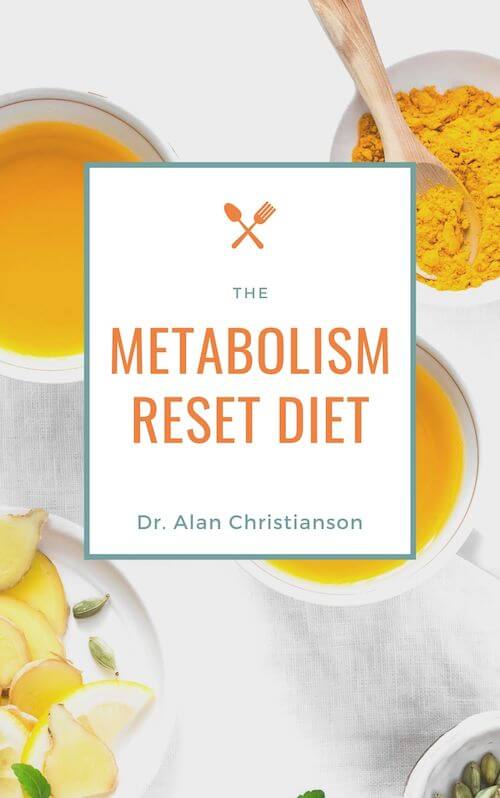
The Metabolism Reset Diet Book Summary
This The Metabolism Reset Diet Book Summary covers the key ideas, lessons, and takeaways in about 20 minutes.
Helps with these goals
Want the complete 20-minute summary?
- Full structured summary
- Video Summary
- Podcast Summary
- Audio summary
- Key takeaways
- Exercises
- Quiz
- Highlights and notes
- Ask the book with AI
What is in the The Metabolism Reset Diet book summary?
Below is a preview of Sumizeit’s expert-written summary of The Metabolism Reset Diet by Alan Christianson. The full summary covers the book’s key ideas in text, audio, and video.
Most fad diets often do not work, because they are overly restrictive and can leave the body deficient in nutrients. This means dieters are often tired, hungry, and suffer from cravings, which make fad diets almost impossible to stick to in the long term. Not only do fad diets only provide short-term weight loss, but they can also actually harm your metabolism, which can lead to weight gain.
A healthy metabolism is the key to successful weight loss. However, our modern diet is usually full of unhealthy foods, like sugar and overly processed foods, that are harmful to the liver. This stress makes it hard for the liver to function properly. The Metabolic Reset Diet will help detox the body, fix liver damage, and reset the body’s metabolism, which can lead to long-lasting weight loss. In addition to diet, getting enough sleep and the right amount of exercise are also important to reducing body fat and maintaining a healthy lifestyle.
The Importance Of A Healthy Metabolism
A healthy metabolism is the most important part of successful, long-term weight loss. Calories are the body’s energy source. Most of the body’s fuel comes from main calorie sources like fats and carbohydrates. Metabolism is how the body processes this fuel. It is either burned off for energy immediately or stored in the body to be processed later when the body is low on energy. The metabolism ensures the body has a steady, constant stream of energy throughout the day.
However, when the body’s metabolism is not functioning as it should, it doesn’t burn fuel for energy but rather stores it as body fat for long-term use. A poorly functioning metabolism does not store energy properly, which can cause many health problems, like low energy, chronic fatigue, and weight gain. Therefore, diets that only focus on calorie-counting and do not take the body’s metabolism into account will not lead to long-term weight loss.
The Liver’s Essential Functions
The liver plays an important part in regulating the body’s metabolism, among many other necessary functions that are vital for good health. The liver performs four essential functions: Filtration, protection, storage, and conversion.
Firstly, the liver serves as the body’s filtration system. It filters the entire supply of blood in the body about once a minute, cleansing it of toxins and supplying it with nutrients. It is able to cleanse the blood because the liver is covered with Kupffer cells, which are immune cells that neutralize pathogens and send out warnings to the rest of the immune system.
The liver is also where the body stores nutrients. The nutrients we get from food, like vitamins and minerals, are stored, and the nutrients that we can’t get from food, like amino acids, are produced in the liver.
The liver plays an essential role in maintaining the health of almost every part of the body, including the digestive, circulatory, and immune systems. Therefore, when the liver is not functioning properly, it affects the whole body.
The Link Between Liver…
Want the complete 20-minute summary?
- Full structured summary
- Video Summary
- Podcast Summary
- Audio summary
- Key takeaways
- Exercises
- Quiz
- Highlights and notes
- Ask the book with AI
Who should read The Metabolism Reset Diet?
The Metabolism Reset Diet is ideal for anyone struggling with weight loss despite dieting efforts, particularly those tired of restrictive fad diets that leave them hungry and fatigued. It's also valuable for people interested in understanding how liver health directly impacts metabolism and sustainable weight management.
Why does The Metabolism Reset Diet matter?
Most conventional diets ignore the root cause of weight gain: a damaged metabolism and overburdened liver. In today's world of processed foods and high-sugar diets, understanding how to reset your metabolic function is essential for achieving lasting weight loss rather than temporary results that damage your health further.
What are the key themes in The Metabolism Reset Diet?
- The liver as the metabolic control center
- Why calorie-counting alone fails without a healthy metabolism
- Fatty liver syndrome and its role in weight gain
- Nutrient density over calorie restriction
- The power of liver regeneration
- Sleep and exercise as metabolic tools
What are the key lessons from the The Metabolism Reset Diet book summary?
Fad diets harm metabolism long-term
Restrictive diets create nutrient deficiencies that make them unsustainable and can actually slow your metabolism, leading to weight regain once you stop dieting.
The liver is your metabolic engine
The liver processes all fuel from food and determines whether it's burned for energy or stored as fat—making liver health the true foundation of weight loss.
Triglycerides and glycogen imbalance causes slow metabolism
When the liver accumulates too many triglycerides and too little glycogen, it can't burn fat efficiently and sends excess fuel directly to body fat storage.
Fatty liver syndrome explains weight resistance
An overloaded liver with excess triglycerides becomes unable to process new fuel, causing it to store everything as body fat regardless of calorie intake.
The liver can regenerate significantly
Up to 80 percent of liver tissue can regrow within months, meaning metabolic damage can be reversed with the right nutritional support and reduced workload.
Protein is metabolically essential
Protein provides amino acids the liver needs to break down fat and can serve as a glycogen replacement, making it crucial for metabolic reset.
Nutrient density matters more than calories
The goal isn't eating less food—it's providing the liver with specific nutrients like fiber, phytonutrients, and micronutrients while reducing overall caloric burden.
Protein shakes accelerate liver recovery
Replacing regular meals with high-protein shakes delivers essential nutrients with fewer calories, allowing the liver time to clear stored fat faster than traditional diets.
Resistant starch supports metabolic health
Foods containing resistant starch like bananas and potatoes feed beneficial gut bacteria and are harder to digest, meaning fewer absorbed calories and better energy regulation.
Sleep is when the liver rebuilds
During sleep, the liver regenerates glycogen stores and continues burning fat while stress hormone production stops—making 7-8 hours nightly essential for metabolic reset.
Cortisol blocks fat metabolism
The stress hormone cortisol prevents the liver from burning fat and slows metabolism, making sleep and stress reduction critical components of any weight loss plan.
Exercise has a metabolic sweet spot
While activity boosts metabolism, excessive exercise strains the liver and forces it to burn muscle instead of fat—light daily movement is more beneficial than intense training.
Vegetables provide nutrient density without caloric burden
Unlimited vegetable consumption offers essential micronutrients and fiber that support liver function while remaining low in calories.
Four weeks can reset your metabolism
The Metabolism Reset Diet is designed as a short-term intensive program to repair liver function and clear fat accumulation, after which normal eating can resume with metabolic improvements.
The liver's four essential functions interconnect
Filtration, protection, storage, and conversion are all interdependent—when one fails due to overload, the entire metabolic system suffers.
Food quality compounds metabolic damage over time
High-calorie, processed foods create continuous burden on the liver, preventing it from ever clearing stored fat and forcing it to work in a state of constant stress.
Metabolism resets require holistic support
Diet alone cannot reset metabolism without adequate sleep and appropriate exercise—all three pillars must work together for lasting results.
No food groups are permanently eliminated
The Metabolism Reset Diet focuses on food variety and nutrient balance rather than restriction, making it sustainable beyond the initial four-week reset phase.
Want the complete 20-minute summary?
- Full structured summary
- Video Summary
- Podcast Summary
- Audio summary
- Key takeaways
- Exercises
- Quiz
- Highlights and notes
- Ask the book with AI
How can you apply ideas from The Metabolism Reset Diet?
- Replace breakfast and lunch with high-protein shakes for 4 weeks to give your liver time to clear stored fat
- Eat unrestricted vegetables between meals to get nutrients without caloric overload
- Prioritize sleep consistency—aim for 7-8 hours nightly to allow liver regeneration and fat burning
- Incorporate light daily exercise like stretching and gentle cardio rather than intense workouts that strain the liver
- Focus on nutrient-dense whole foods like fish, garlic, turmeric, and colorful vegetables when resuming regular meals
- Monitor energy levels and hunger cues during the reset to ensure you're providing adequate protein and micronutrients
- Include resistant starch foods like bananas and potatoes to support gut health and energy regulation
What common mistakes do readers make with The Metabolism Reset Diet?
- Assuming any low-calorie diet will work without addressing underlying liver damage and metabolic dysfunction
- Cutting calories too aggressively without ensuring sufficient protein and micronutrient intake to support liver healing
- Exercising excessively during metabolic reset, which increases liver burden instead of reducing it
- Neglecting sleep quality and quantity, preventing the liver from regenerating glycogen and burning fat effectively
Sumizeit Exercises Apply what you've learned
Turn ideas from The Metabolism Reset Diet into action with a short guided reflection: identify the biggest takeaway, connect it to your life, and commit to one step you can take in the next 24 hours.
What is the expert analysis of The Metabolism Reset Diet?
Overview
The Metabolism Reset Diet is authored by Alan Christianson, a naturopathic medical doctor and a recognized specialist in natural endocrinology, particularly thyroid disorders. Christianson has established himself as a credible voice within integrative health circles, with prior bestselling works on adrenal and thyroid health. This book stands out by focusing on metabolism through the lens of liver health, a somewhat underexplored angle in mainstream diet literature. Christianson’s approach is grounded in naturopathic principles, emphasizing the body's innate ability to heal and regenerate, particularly the liver’s capacity to reset metabolic function.
Core Thesis
The central argument of the book is that a sluggish metabolism—often blamed for weight gain and fatigue—is primarily a consequence of impaired liver function caused by modern dietary excesses, especially the accumulation of triglycerides leading to fatty liver syndrome. Christianson posits that by reducing the liver’s workload through calorie reduction and nutrient-dense intake, particularly via protein shakes and resistant starches, one can detoxify and regenerate the liver. This metabolic reset restores the liver’s ability to efficiently process and burn fat, thereby enabling sustainable weight loss and improved energy levels. The thesis extends beyond diet to include the critical roles of sleep and moderate exercise in supporting liver health and metabolic balance.
Strengths
- Holistic Integration: Christianson successfully integrates diet, sleep, and exercise into a cohesive framework, recognizing metabolism as a complex system rather than a simple calorie equation.
- Focus on Liver Health: The detailed explanation of the liver’s multifaceted role in metabolism provides readers with a nuanced understanding often missing from conventional diet books.
- Practical and Accessible: The diet’s emphasis on protein shakes and nutrient-rich foods offers a clear, actionable plan that avoids overly restrictive or fad diet pitfalls.
- Scientific Plausibility: The concept of liver regeneration and the metabolic consequences of fatty liver are well-supported in medical literature, lending credibility to the proposed interventions.
- Author’s Expertise: Christianson’s background and media presence add authority, making the book appealing to readers seeking evidence-based naturopathic guidance.
Critiques & Counterarguments
- Oversimplification of Metabolism: While the liver is crucial, metabolism is influenced by numerous organs and systems including muscle mass, thyroid function, and the gut microbiome. The book’s liver-centric focus risks underrepresenting these complexities.
- Limited Discussion of Long-Term Sustainability: The reliance on protein shakes for meal replacement, although effective short-term, may not foster sustainable eating habits or address psychological aspects of diet adherence.
- Potential Nutrient Imbalances: The book advocates for high protein intake but does not deeply address possible renal implications or the need for individualized dietary adjustments, especially for those with pre-existing conditions.
- Competing Research on Fatty Liver and Weight Loss: Emerging studies suggest that while diet influences fatty liver, factors like genetics, alcohol consumption, and insulin resistance also play significant roles. A more integrative approach might better account for these variables.
- Exercise Recommendations Could Be More Nuanced: The suggestion to limit exercise to avoid liver strain may conflict with evidence supporting vigorous physical activity’s benefits on metabolic health and fatty liver reversal.
Who Should Read This
This book is ideal for readers who are interested in a scientifically informed yet holistic approach to weight loss and metabolic health, particularly those who have struggled with fad diets and are seeking a strategy grounded in organ-specific physiology. It appeals to individuals open to naturopathic and integrative health perspectives and those looking for practical dietary guidelines that emphasize nutrient quality over mere calorie counting. Health professionals and enthusiasts interested in the interplay between liver function and metabolism may also find valuable insights, though they should approach the material critically and in conjunction with broader metabolic research.
Frequently asked questions about the The Metabolism Reset Diet book summary
What is The Metabolism Reset Diet about?
The Metabolism Reset Diet by Alan Christianson is a four-week program designed to repair liver function and reset your metabolism by replacing two meals daily with high-protein shakes while eating nutrient-dense foods. The diet focuses on reducing the liver's workload while providing essential nutrients needed for fat metabolism and liver regeneration, rather than simply restricting calories.
Who should read The Metabolism Reset Diet?
Anyone frustrated with traditional diets that don't deliver lasting results should read this book, especially those who experience constant hunger, fatigue, and cravings despite dieting. It's particularly valuable for people with stubborn weight that resists loss and those interested in understanding the biological reasons why most diets fail.
What are the main takeaways from The Metabolism Reset Diet?
The key takeaways are: (1) a healthy liver is essential for weight loss, (2) fatty liver syndrome causes slow metabolism regardless of calories consumed, (3) the liver can regenerate when given proper nutrients and reduced workload, (4) protein shakes are a proven tool for delivering nutrients while reducing caloric burden, and (5) sleep and light exercise are equally important as diet for metabolic reset.
How does the liver affect metabolism and weight gain?
The liver processes all fuel from food and decides whether to burn it immediately for energy or store it as fat. When the liver becomes overloaded with unhealthy foods, it accumulates excess triglycerides and loses glycogen stores, making it unable to burn fat efficiently—instead sending all new fuel directly to body fat storage.
Why do traditional calorie-counting diets fail?
Calorie-counting diets ignore the root cause of weight gain: a dysfunctional metabolism and damaged liver. Without addressing metabolic function and liver health, the body continues storing calories as fat regardless of the amount consumed, making these diets unsustainable and often counterproductive.
What role does sleep play in the Metabolism Reset Diet?
Sleep is critical for metabolic reset because it's when the liver regenerates glycogen stores and continues burning fat. Sleep also reduces cortisol production, the stress hormone that prevents fat burning and slows metabolism—making 7-8 hours nightly essential for success.
Can the liver actually heal from damage?
Yes, the liver has a remarkable regenerative capacity—up to 80 percent of liver tissue can regrow within a few months. The Metabolism Reset Diet is specifically designed to stimulate this regeneration by reducing the liver's workload while providing the nutrients it needs to clear stored fat and rebuild.
About Sumizeit
Sumizeit is a profitable Scomy LLC company based in Miami, Florida. It has been helping readers learn from nonfiction books for 7 years with expert-written summaries in text, audio, podcast, and video.
Want the complete 20-minute summary?
- Full structured summary
- Video Summary
- Podcast Summary
- Audio summary
- Key takeaways
- Exercises
- Quiz
- Highlights and notes
- Ask the book with AI
Here's why readers love Sumizeit
Join thousands of learners getting smarter every day
"Great experience. Detailed summaries. Loved the gamification feature. Makes learning fun. Good customer service. I recommend Sumizeit to anyone. You'll learn a lot."
"I always felt busy but still wanting to keep up with the book discussion in my friend group. This was a great supplement to help me keep reading the books I find fun while keeping up with important books."
"I love this website. Instead of scrolling social media, I find myself learning a lot. I use it everyday. I recommend this app for anyone who is too busy and wants to get up to speed with their favorite books."
The Metabolism Reset Diet Book Summary PDF
Looking for a The Metabolism Reset Diet Book Summary PDF you can save and revisit offline? Our The Metabolism Reset Diet Book Summary PDF captures the book’s core ideas in a clean, printable format — the key frameworks, takeaways, and structure without the fluff. Download the The Metabolism Reset Diet Book Summary PDF when you want a reference you can annotate, share with your team, or review on the go. Get your The Metabolism Reset Diet Book Summary PDF from the download page below.
Download The Metabolism Reset Diet Book Summary PDFPeople also liked these summaries
Readers who explored The Metabolism Reset Diet often enjoyed these titles next.



Want the complete 20-minute summary?
- Full structured summary
- Video Summary
- Podcast Summary
- Audio summary
- Key takeaways
- Exercises
- Quiz
- Highlights and notes
- Ask the book with AI
Featured Book Titles
Popular Book Summaries at sumizeit, leading book summary app