


As an Amazon Associate, Sumizeit earns from qualifying purchases.
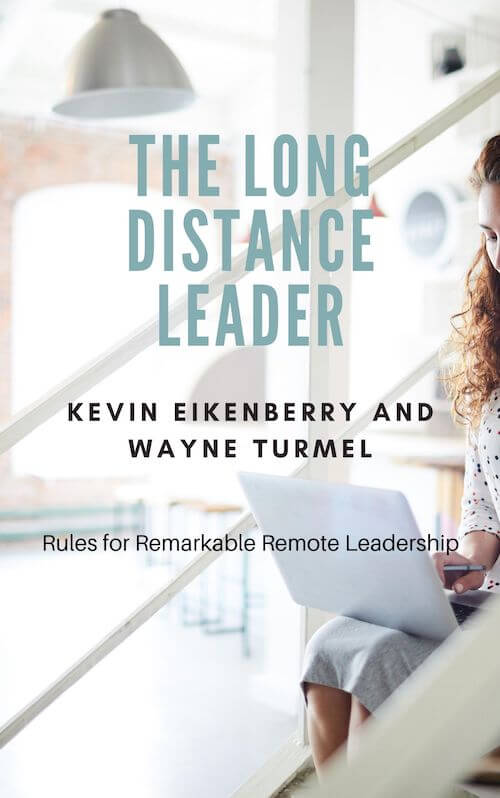
The Long-Distance Leader Book Summary
This The Long-Distance Leader Book Summary covers the key ideas, lessons, and takeaways in about 20 minutes.
While the book hits on some familiar leadership principles, like the value of trust and the importance of communication, it also discusses the unique challenges that distance leaders face. The primary argument of the book is that remote workers and on-site employees are equal in value. With the right tools and technology, you can create a collaborative and efficient workforce regardless of distance.
Helps with these goals
Want the complete 20-minute summary?
- Full structured summary
- Video Summary
- Podcast Summary
- Audio summary
- Key takeaways
- Exercises
- Quiz
- Highlights and notes
- Ask the book with AI
What is in the The Long-Distance Leader book summary?
Below is a preview of Sumizeit’s expert-written summary of The Long-Distance Leader by Kevin Eikenberry and Wayne Turmel. The full summary covers the book’s key ideas in text, audio, and video.
More than 90% of project teams include one or more remote workers according to the Project Management Institute. More than 80% of managers supervise at least one remote employee. The Long-Distance Leader discusses the new challenges distance leaders face, and the principles of leadership that remain relevant regardless of location. Eikenberry and Turmel break down their research into 19 rules for distance leaders. The most important rule is that leadership matters more than location - a good leader can manage a team anywhere using the right techniques.
Rule 1: Leadership matters more than location
Distance leadership was rare in the past, but in today’s business world a huge percentage of the workforce is remote. This new remote workforce offers new challenges for management, but the most important principle for distance leaders to remember is that good leadership is more important than location. Managers worry about how their employees spend their days working remotely, but with good leadership principles in place, you can build a successful team with employees in every corner of the globe.
Rule 2: Remote leadership requires its own set of skills
In the past, good leadership was all about clear communication, eye contact, listening skills, and team building. While these skills are still valuable, as a remote leader face-to-face communication is not nearly as important as written communication skills. For distance leaders, it is vital to communicate nuanced ideas via email and instant message. Distance leaders should also know how to embrace technology to build teams using meeting software and messaging apps.
Rule 3: Don’t forget the value of interpersonal connection
If your teams never meet face-to-face, it is easy to have a strained working relationship. Distance leaders know the value of interpersonal connection among team members and find ways to build connection using technology and warm written communication. Maintaining positive relationships among team members and with employees is a vital part of the distance manager’s role.
Rule 4: Take advantage of tools
The Remote Leadership Model offers three important elements for distance leaders, and two of them revolve around using tools effectively. The first element is building interpersonal bonds and encouraging personal growth. The second is using all technology at your disposal to make communication seamless and efficient. And the third is building the skills necessary to embrace new technology as it emerges.
Rule 5: Follow the Three “O” Model
The Three “O” Model examines leadership through three lenses - others, outcomes, and ourselves. Using this model, leaders focus on measuring outcomes to ensure success, supporting others so the team becomes your primary tool, and remembering to take accountability for ourselves and the actions of the team.
Rule 6: Balance individual goals with organizational targets
Remote workers will often focus more on their individual goals than team targets. Some workers may not have a clear sense of the overall aim of their team or organization.
Want the complete 20-minute summary?
- Full structured summary
- Video Summary
- Podcast Summary
- Audio summary
- Key takeaways
- Exercises
- Quiz
- Highlights and notes
- Ask the book with AI
Who should read The Long-Distance Leader?
The Long-Distance Leader is essential for managers and team leaders who supervise remote employees or distributed teams. If you're navigating the challenges of leading people across different locations and time zones, this book provides practical frameworks and strategies tailored to your specific context. It's also valuable for organizational leaders planning how remote work will shape their company's future.
Why does The Long-Distance Leader matter?
With over 90% of project teams now including remote workers, traditional leadership approaches no longer suffice. The Long-Distance Leader addresses the critical gap between on-site management practices and the unique demands of distance leadership, helping leaders build trust, maintain productivity, and strengthen team cohesion despite physical separation. In today's hybrid and distributed work environment, mastering these skills is no longer optional—it's fundamental to organizational success.
What are the key themes in The Long-Distance Leader?
- Leadership fundamentals transcend physical location
- Technology enablement for remote team communication
- Building and maintaining trust across distance
- Balancing individual goals with organizational objectives
- Intentional relationship-building in virtual environments
- Self-care and leadership resilience
- Developing the next generation of distance leaders
What are the key lessons from the The Long-Distance Leader book summary?
Leadership Matters More Than Location
Effective leadership principles remain constant whether your team is co-located or distributed globally. The foundation of good management—clarity, accountability, and vision—applies regardless of distance.
Remote Leadership Requires Distinct Skill Sets
While traditional leadership values face-to-face interaction, distance leaders must master written communication, nuanced email articulation, and strategic use of digital collaboration tools. Success in remote environments depends on adapting your communication style to the medium.
Technology Is a Tool, Not a Solution
The right tools facilitate connection and efficiency, but technology alone cannot build trust or create team cohesion. Leaders must intentionally use platforms to enhance relationships, not replace human connection.
Interpersonal Connection Requires Deliberate Effort
Distance doesn't eliminate the need for genuine relationships; it simply requires more intentionality. Warm communication and strategic relationship-building become central to a distance leader's role.
The Three 'O' Model Provides a Leadership Framework
Effective distance leadership balances focus on others (supporting your team), outcomes (measuring success), and ourselves (taking accountability). This three-lens approach ensures holistic leadership effectiveness.
Context Connects Individual Work to Organizational Purpose
Remote employees may lose sight of how their individual goals align with broader organizational objectives. Distance leaders must regularly communicate the bigger picture so each team member understands their value and role.
Goals Require Execution, Not Just Declaration
Setting goals is insufficient; leaders must develop concrete plans with timelines, measurable milestones, and regular progress tracking to ensure accountability and success.
Coaching Is Conversational, Not Directive
Effective remote leadership involves listening more than talking, asking questions, and engaging employees in dialogue about their work and development. This approach builds agency and ownership.
One-Size-Fits-All Management Fails Remote Teams
Each team member has unique communication preferences and work styles. Leaders must understand these individual differences and adapt their approach to meet each person's needs and strengths.
Transparency About Power Structures Reduces Anxiety
Remote environments can amplify employee concerns about organizational hierarchy and their standing. Being explicit about how decisions are made and where influence lies builds psychological safety.
Trust Must Be Strategically Built and Maintained
Distance doesn't naturally erode trust, but it doesn't automatically build it either. Leaders must use delegation, delegation recognition, and strategic meetings to demonstrate and reinforce trust in their teams.
Remote Workers Deliver Equal or Greater Productivity
Research shows remote employees are just as productive—often more so—than on-site workers. Leaders should trust that employees are completing quality work rather than defaulting to surveillance mentality.
Choose Communication Tools Strategically
Different communication needs call for different tools—some situations require synchronous video calls while others work better via email or messaging. Leaders must match the tool to the task.
Stay Current With Evolving Technology
Distance leadership requires continuous learning about new platforms, file storage solutions, and collaboration tools. Staying ahead of technological change ensures your team has access to the best available resources.
Seek Feedback Continuously, Not Just Annually
Traditional annual reviews are insufficient for distance leaders. Regular check-ins with team members and external feedback help you course-correct and improve your leadership approach.
Self-Talk Directly Impacts Team Performance
A leader's internal dialogue shapes team culture and confidence. Maintaining positive self-talk while staying grounded in reality creates a foundation for team resilience and success.
Delegation Is Non-Negotiable for Sustainable Leadership
Leaders who attempt to do everything burn out and become bottlenecks. Effective delegation empowers your team, develops future leaders, and preserves your own well-being.
Time Management Is Actually Choices About What Matters Most
Your calendar reflects your priorities. Distance leaders must intentionally allocate time for personal development, self-care, and strategic thinking, not just reactive management tasks.
Leadership Development Creates Organizational Resilience
By intentionally coaching and developing your team members into future leaders, you build organizational capacity and ensure sustained success beyond your tenure.
Distance Is a Constraint, Not a Destiny
The final principle reinforces the first: with the right leadership approach, technology, and commitment, distance becomes irrelevant. Strong interpersonal bonds, trust, and goal achievement are entirely possible across any distance.
Want the complete 20-minute summary?
- Full structured summary
- Video Summary
- Podcast Summary
- Audio summary
- Key takeaways
- Exercises
- Quiz
- Highlights and notes
- Ask the book with AI
How can you apply ideas from The Long-Distance Leader?
- Audit your communication tools and intentionally assign each tool to specific use cases (video calls for sensitive feedback, instant messaging for quick questions, email for documentation)
- Create an individual communication preferences guide for each team member by asking how they prefer feedback, check-ins, and updates, then honor those preferences
- Establish monthly one-on-one conversations that include both task review and personal development discussion, not just performance evaluation
- Document and share your organization's decision-making process and power structure explicitly with your team to reduce ambiguity and build psychological safety
- Schedule regular team-building activities using virtual platforms that prioritize relationship-building over task completion
- Implement quarterly personal development goals for yourself alongside team goals to model growth mindset and prevent burnout
- Create a delegation framework that gradually increases responsibility for high-performing team members, turning them into future leaders
What common mistakes do readers make with The Long-Distance Leader?
- Assuming remote employees need constant oversight or surveillance; this erodes trust and reduces morale without increasing productivity
- Relying on synchronous communication for everything; not all situations benefit from real-time interaction and asynchronous tools often work better
- Failing to clarify how individual work connects to organizational goals, leaving remote employees feeling disconnected from purpose
- Treating all team members identically instead of adapting communication and feedback styles to individual preferences and work styles
Sumizeit Exercises Apply what you've learned
Turn ideas from The Long-Distance Leader into action with a short guided reflection: identify the biggest takeaway, connect it to your life, and commit to one step you can take in the next 24 hours.
What is the expert analysis of The Long-Distance Leader?
Overview
The Long-Distance Leader: Rules for Remarkable Remote Leadership is a timely contribution to leadership literature authored by Kevin Eikenberry and Wayne Turmel, two seasoned experts in leadership development and remote work dynamics. Eikenberry’s background as a corporate trainer and Turmel’s focus on remote communication converge to address the pressing challenges of managing distributed teams. Published in an era where remote work has transitioned from a niche arrangement to a mainstream organizational reality, this book holds significance for leaders navigating the complexities of distance leadership.
Core Thesis
The central argument of The Long-Distance Leader is elegantly simple yet profound: effective leadership transcends physical location. Eikenberry and Turmel contend that while remote work introduces new challenges, the fundamental principles of leadership remain paramount. They propose that with the right mindset, communication skills, and technology adoption, leaders can build trust, foster interpersonal connections, and drive organizational outcomes regardless of geographical dispersion. The book’s 19 rules serve as a practical framework to operationalize this thesis, emphasizing adaptability, trust-building, and intentional communication as pillars of successful remote leadership.
Strengths
- Comprehensive Framework: The 19 rules provide a structured yet flexible roadmap that covers a wide range of leadership facets—from communication and trust to time management and coaching—tailored specifically for remote contexts.
- Pragmatic and Actionable: The guidance is concrete, emphasizing actionable behaviors such as leveraging technology effectively, understanding individual employee work styles, and balancing organizational with individual goals.
- Recognition of Human Elements: The book rightly underscores the importance of interpersonal connection and emotional intelligence, reminding leaders that remote teams still require warmth, empathy, and trust.
- Integration of Technology: It acknowledges the central role of evolving communication tools and encourages leaders to stay current, which is crucial in a rapidly changing digital landscape.
- Balanced Perspective: By reiterating that leadership fundamentals remain consistent regardless of location, the authors avoid overcomplicating remote leadership and instead build on established leadership theories.
Critiques & Counterarguments
- Potential Oversimplification: While the assertion that “leadership matters more than location” is compelling, it risks underestimating the profound cultural, psychological, and logistical differences that physical distance imposes. Remote leadership often requires fundamentally different approaches, not just adaptations of traditional leadership skills.
- Limited Empirical Evidence: The book leans heavily on anecdotal insights and practical experience rather than rigorous empirical research. This may limit its persuasiveness among scholars or practitioners seeking evidence-based validation of its claims.
- Technological Determinism: The emphasis on technology as a panacea for remote leadership challenges may overlook the nuanced ways technology can also inhibit communication, foster misunderstandings, or create digital fatigue.
- Contrasting Research on Remote Work Productivity: While the authors cite studies supporting remote workers’ productivity, other research highlights risks of isolation, burnout, and decreased innovation in remote settings, suggesting that leadership must address these systemic issues beyond individual skills.
- Alternative Leadership Models: Competing frameworks, such as transformational or servant leadership, may offer deeper insights into motivating remote teams by focusing on intrinsic motivation and empowerment rather than primarily on communication and tool utilization.
Who Should Read This
The Long-Distance Leader is ideally suited for current and aspiring managers who find themselves leading remote or hybrid teams and seek practical guidance to enhance their effectiveness. It will resonate with leaders in corporate, nonprofit, and entrepreneurial settings who value clear, actionable advice grounded in real-world challenges. Additionally, HR professionals and organizational development consultants may find its principles useful for designing leadership training programs tailored to distributed workforces. However, readers looking for a deeply theoretical or research-intensive exploration of remote leadership may need to supplement this book with more academic texts.
Frequently asked questions about the The Long-Distance Leader book summary
What is The Long-Distance Leader about?
The Long-Distance Leader: Rules for Remarkable Remote Leadership by Kevin Eikenberry and Wayne Turmel is a practical guide offering 19 rules for managing distributed and remote teams effectively. The core premise is that leadership quality matters far more than physical location, and with the right approaches, tools, and mindset, leaders can build trust, maintain productivity, and develop strong teams regardless of distance.
Who should read The Long-Distance Leader?
This book is essential for managers and team leaders supervising remote employees, distributed teams, or hybrid workforces. It's also valuable for organizational leaders planning their company's remote work strategy and for anyone interested in understanding how leadership principles must evolve in a distributed work environment.
What are the main takeaways from The Long-Distance Leader?
The main takeaways include: leadership fundamentals remain constant regardless of location; remote leaders need specialized skills in written communication and technology use; trust and interpersonal connection must be built intentionally; and leaders must balance individual growth with organizational objectives while maintaining their own well-being. The overarching lesson is that distance is a constraint to manage, not an excuse for poor leadership.
Are remote workers as productive as office-based employees?
According to research cited in The Long-Distance Leader, remote employees are just as productive as on-site workers and often even more so. This finding should reassure leaders that concerns about oversight and output quality are often unfounded, and trust-based management approaches actually enhance performance.
What is the Three 'O' Model mentioned in the book?
The Three 'O' Model is a leadership framework that examines leadership through three critical lenses: Others (supporting and developing your team), Outcomes (measuring and achieving results), and Ourselves (taking accountability for our actions and decisions). This balanced approach ensures leaders don't overemphasize one dimension at the expense of others.
How can distance leaders build trust with remote team members?
The Long-Distance Leader recommends building trust through strategic delegation that shows confidence in employees, transparent communication about organizational power structures and decisions, regular one-on-one meetings, public recognition of achievements, and team-building activities. Leaders should also demonstrate their trust by avoiding constant surveillance and assuming employees have good intentions.
What role does technology play in remote leadership?
Technology is a critical enabler but not a solution itself. Effective distance leaders understand their available tools, choose the right platform for each type of communication, and stay current with emerging technologies. However, the focus should be on using tools to facilitate human connection and efficiency, not to replace genuine relationships or enable micromanagement.
How does The Long-Distance Leader address leadership burnout?
The book emphasizes that leaders cannot do everything and must delegate effectively to remain sustainable. It also highlights the importance of positive self-talk, time management (particularly protecting time for personal development and self-care), and recognizing that leadership development is a continuous practice. By prioritizing their own well-being, leaders can better support their teams.
About Sumizeit
Sumizeit is a profitable Scomy LLC company based in Miami, Florida. It has been helping readers learn from nonfiction books for 7 years with expert-written summaries in text, audio, podcast, and video.
Want the complete 20-minute summary?
- Full structured summary
- Video Summary
- Podcast Summary
- Audio summary
- Key takeaways
- Exercises
- Quiz
- Highlights and notes
- Ask the book with AI
Here's why readers love Sumizeit
Join thousands of learners getting smarter every day
"Great experience. Detailed summaries. Loved the gamification feature. Makes learning fun. Good customer service. I recommend Sumizeit to anyone. You'll learn a lot."
"I always felt busy but still wanting to keep up with the book discussion in my friend group. This was a great supplement to help me keep reading the books I find fun while keeping up with important books."
"I love this website. Instead of scrolling social media, I find myself learning a lot. I use it everyday. I recommend this app for anyone who is too busy and wants to get up to speed with their favorite books."
The Long-Distance Leader Book Summary PDF
Looking for a The Long-Distance Leader Book Summary PDF you can save and revisit offline? Our The Long-Distance Leader Book Summary PDF captures the book’s core ideas in a clean, printable format — the key frameworks, takeaways, and structure without the fluff. Download the The Long-Distance Leader Book Summary PDF when you want a reference you can annotate, share with your team, or review on the go. Get your The Long-Distance Leader Book Summary PDF from the download page below.
Download The Long-Distance Leader Book Summary PDFPeople also liked these summaries
Readers who explored The Long-Distance Leader often enjoyed these titles next.



Want the complete 20-minute summary?
- Full structured summary
- Video Summary
- Podcast Summary
- Audio summary
- Key takeaways
- Exercises
- Quiz
- Highlights and notes
- Ask the book with AI
Featured Book Titles
Popular Book Summaries at sumizeit, leading book summary app