


As an Amazon Associate, Sumizeit earns from qualifying purchases.
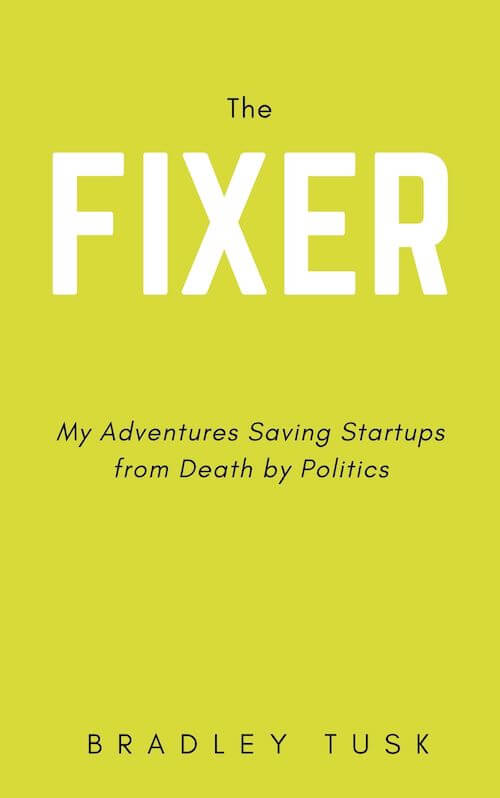
The Fixer Book Summary
This The Fixer Book Summary covers the key ideas, lessons, and takeaways in about 20 minutes.
Want the complete 20-minute summary?
- Full structured summary
- Video Summary
- Podcast Summary
- Audio summary
- Key takeaways
- Exercises
- Quiz
- Highlights and notes
- Ask the book with AI
What is in the The Fixer book summary?
Below is a preview of Sumizeit’s expert-written summary of The Fixer by Bradley Tusk. The full summary covers the book’s key ideas in text, audio, and video.
Politicians don’t care about innovation or your start-up, they care about votes.
If you try to change the status quo, the regulators and politicians would come after you. You may not be interested in politics, but politics is interested in you.
Tusk shares strategies and tools to win political battles.
Technology and innovation can disrupt elections and transform politics.
Political strategist, a consultant, a venture capitalist- Bradley Tusk illustrates his years of experience in helping startups navigate through political and legislative processes. The book discusses the ‘psyche of politicians’, their actions, and how startups can challenge the status quo. He explains how campaigns such as Uber’s, backed by loyal customers, can sway the decision-makers, change existing regulations, and win. If you are a tech start-up, this book will prepare you like no other. You’d know what to expect when dealing with regulators- they become defensive, and would do everything in their power if your ‘disruptive’ start-up does not benefit their entrenched interests. The book provides you with an implementable framework to tackle political or regulatory hurdles.
Do not ignore the political risks.
If you are disrupting, then be ready to be attacked by groups that benefit from not changing. These are the rich and influential people who are in power through a carefully established network of politicians. These politicians are the ones who appoint regulators, and the regulators follow the instructions of the elected officials. Most of them do not care if you are bringing better ideas to the market. All they care about is maintaining the status quo, and therefore, would stand in your way. However, do remember that most politicians are insecure and all they care about is being elected (and re-elected). They are concerned about their image in the media because it influences voters. If you are able to generate negative media, that in turn hurts their poll ratings, then you may have their attention. If you have a strong narrative that the media can buy, you can get the politicians and the regulators to clear your way.
Know your opponent before engaging. Ask yourself the following questions:
What is their narrative? Who is in charge? Who is making the donations? Who are they reporting to? Do they have powerful allies? Will you ask for permission or would you beg for forgiveness later?
Once you understand their story, it will prepare you to carve out YOUR plan of action to deal with their onslaught.
Your customers are your greatest advocates, even politically.
Uber is a simple (and a game-changing) app that connects drivers and riders. It isn’t a taxi company but competes directly with taxis. It disrupted the taxi industry, and the governing bodies were not happy. When the New York Mayor- Bill de Blasio proposed to cap Uber’s growth at 1% a year, Uber fought from an unexpected angle and won. Firstly, Tusk aligned the ad campaigns to feature people of color, immigrants, and other New Yorkers who benefitted from Uber.
Want the complete 20-minute summary?
- Full structured summary
- Video Summary
- Podcast Summary
- Audio summary
- Key takeaways
- Exercises
- Quiz
- Highlights and notes
- Ask the book with AI
Who should read The Fixer?
The Fixer is essential for startup founders and entrepreneurs whose business models disrupt established industries or challenge the status quo. If you're building a technology company that will face regulatory resistance or political opposition, this book provides the strategic playbook you need. It's also valuable for venture capitalists, business leaders, and anyone navigating complex political and regulatory landscapes.
Why does The Fixer matter?
In today's rapidly evolving business environment, innovation doesn't happen in a vacuum—it happens in a political arena where entrenched interests fight to maintain the status quo. The Fixer reveals why ignoring politics is a fatal mistake for disruptive startups and teaches you how to turn political obstacles into opportunities. Understanding these dynamics is critical for anyone building the next generation of transformative companies.
What are the key themes in The Fixer?
- Politics is unavoidable for disruptive businesses
- Customer advocacy as a political weapon
- Narrative and media strategy in regulatory battles
- Understanding your political opponents
- Strategic persistence in fighting entrenched interests
- The power of publicity over behind-the-scenes lobbying
What are the key lessons from the The Fixer book summary?
Politicians care about votes, not innovation
Elected officials and regulators are motivated by re-election and maintaining power, not by supporting the best ideas. Understanding this fundamental truth changes how you approach political relationships.
Disruption creates political enemies
When your business threatens existing industries or established networks, those who benefit from the current system will mobilize against you through political channels. Expect resistance as a sign you're doing something significant.
Know your opponent before you fight
Research the political narratives, funding sources, donors, and alliances of those opposing your business. This intelligence allows you to craft a counter-strategy that addresses their vulnerabilities.
Media narrative trumps insider lobbying
Public perception and media coverage influence politicians more effectively than traditional backroom negotiations. A compelling story that resonates with voters creates political pressure that regulators can't ignore.
Your customers are your strongest political force
Engaged customers who benefit from your service can be mobilized into a grassroots political movement more powerful than traditional lobbying. Empower them to contact elected officials directly.
Link your opponent to corruption or self-interest
Exposing financial ties between regulators and incumbent industries—such as campaign donations—undermines their credibility and shifts the political narrative in your favor.
Technology can amplify political action
Using your platform or app to educate and mobilize users (like Uber's de Blasio button) makes political action frictionless and dramatically increases participation rates.
Frame the battle around values, not business interests
Position your fight as one about innovation, consumer choice, workers' rights, or opportunity—not profit. This moral framing attracts media attention and public support.
Regulators are political bodies, not neutral arbiters
Regulatory agencies operate within political constraints and are influenced by the same forces as elected officials. Treating them as purely technical bodies misses their political nature.
Prepare for the political fight before launching
Anticipate regulatory opposition early and develop a political strategy alongside your business plan. Waiting until regulators attack puts you on the defensive.
Choose your battles strategically
Not every regulatory obstacle is worth fighting publicly. Assess whether you have customer support, a compelling narrative, and the resources to win before committing to a political campaign.
Persistence beats short-term defeats
Political change is slow and setbacks are common. Sustained effort over years, with evolving strategies, is often necessary to overcome entrenched interests.
Negative media about your opponents can shift the balance
Highlighting negative stories about politicians or regulators opposing you—whether corruption, conflicts of interest, or hypocrisy—damages their credibility and creates political pressure.
The threat of leaving town is a powerful negotiating tool
Credibly threatening to relocate your business to a more favorable jurisdiction creates economic incentives for politicians to approve your operations.
Fund advertising campaigns to reach the public and politicians
Paid media that reaches voters amplifies your message and demonstrates to politicians that you have resources and public backing, increasing your political leverage.
Unions and incumbent industries are formidable political opponents
These groups have deep ties to politicians, stable funding, and organizational infrastructure. Beating them requires a multiyear strategy and realistic expectations about what's achievable.
Create a moral high ground for your narrative
Position your business as serving underrepresented communities, workers, or consumers while opponents are portrayed as protecting entrenched wealthy interests. This shifts public and political sympathy.
Technology can transform how people engage politically
Innovations in voting, civic participation, and political information can modernize democracy, but only if entrepreneurs are willing to fight the politicians invested in the status quo.
Want the complete 20-minute summary?
- Full structured summary
- Video Summary
- Podcast Summary
- Audio summary
- Key takeaways
- Exercises
- Quiz
- Highlights and notes
- Ask the book with AI
How can you apply ideas from The Fixer?
- Conduct a political risk assessment for your business model before launch, identifying which industries or politicians could be threatened by your disruption
- Develop a public narrative that frames your business around consumer benefits, worker protections, or broader social value rather than profit
- Build relationships with journalists and media outlets to ensure favorable coverage when regulatory battles emerge
- Create mechanisms within your product or platform to educate users about political issues and enable them to contact elected officials
- Research campaign donations and financial ties between regulators, politicians, and incumbent competitors to expose conflicts of interest
- Organize customer advocacy campaigns with clear calls to action during regulatory battles, tracking participation and impact
- Monitor regulatory agencies and legislative developments early so you can shape the narrative before opponents do
What common mistakes do readers make with The Fixer?
- Assuming regulators are neutral and will evaluate your business on merits alone, rather than recognizing their political motivations
- Relying solely on behind-the-scenes lobbying without building public support or media attention for your narrative
- Launching a business in a highly regulated industry without developing a political strategy beforehand
- Underestimating the political power and financial resources of incumbent industries fighting to protect their market position
- Fighting every regulatory battle the same way without assessing whether you have the customer support, narrative strength, and resources to win
Sumizeit Exercises Apply what you've learned
Turn ideas from The Fixer into action with a short guided reflection: identify the biggest takeaway, connect it to your life, and commit to one step you can take in the next 24 hours.
What is the expert analysis of The Fixer?
Overview
The Fixer by Bradley Tusk offers a rare insider’s perspective on the intersection of technology startups and the entrenched political and regulatory systems they must navigate. Tusk, a seasoned political strategist and venture capitalist, draws on his extensive experience working with high-profile startups like Uber and FanDuel as well as his political background, including managing Mayor Bloomberg’s campaign and serving in government roles. This book is significant for its candid exploration of how political power structures resist innovation and how startups can strategically engage with these forces to survive and thrive. It stands out as a practical guide for entrepreneurs facing the often opaque and adversarial world of politics.
Core Thesis
The central argument of The Fixer is that innovation inevitably attracts political opposition because it threatens entrenched interests who benefit from the status quo. Politicians and regulators are primarily motivated by maintaining power and securing votes rather than fostering innovation. Therefore, startups must recognize that politics is not peripheral but central to their survival. Success depends on understanding the political landscape, crafting compelling narratives that resonate with voters and media, mobilizing customer advocacy, and deploying strategic political and media campaigns to overcome regulatory and legislative obstacles.
Strengths
- Insider Expertise: Tusk’s dual experience in politics and venture capital provides authentic, firsthand insights that few authors can match, lending credibility and practical value.
- Concrete Case Studies: The book’s detailed recounting of battles involving Uber, FanDuel, Lemonade, and Handy illustrates the dynamics between startups and political actors vividly and instructively.
- Actionable Framework: Beyond diagnosis, Tusk offers a clear, implementable playbook for startups to engage politically, emphasizing narrative control, customer mobilization, and strategic lobbying.
- Recognition of Political Realities: The book demystifies the political process, emphasizing the insecurities and motivations of politicians, which helps readers anticipate and respond to opposition effectively.
- Forward-Looking Vision: Tusk’s advocacy for leveraging technology to transform elections and voter engagement adds a compelling dimension to the discourse on innovation’s role in democracy.
Critiques & Counterarguments
- Narrow Focus on High-Profile Startups: The book primarily centers on well-funded, media-savvy startups with access to significant resources, potentially limiting applicability for smaller ventures lacking such advantages.
- Potential Oversimplification of Political Actors: While portraying politicians as primarily vote-driven and risk-averse is useful, it risks reducing complex political motivations and regulatory rationales to mere self-interest, overlooking genuine public interest considerations.
- Reliance on Media Narratives: The strategy of shaping media narratives and mobilizing customers presumes a media environment receptive to such tactics; in less open or more fragmented media landscapes, this approach may be less effective.
- Limited Engagement with Opposing Perspectives: The book frames unions, regulators, and established industries largely as obstacles to innovation without deeply engaging with their legitimate concerns about labor rights, consumer protection, and systemic risks.
- Competing Research on Regulation and Innovation: Some economic and policy research suggests that regulation can foster innovation by creating clear rules and protecting consumers, challenging the book’s implicit assumption that regulation is primarily an impediment.
Who Should Read This
The Fixer is essential reading for entrepreneurs, startup founders, and venture capitalists who operate in highly regulated industries or whose innovations challenge established norms. It is also valuable for policy makers, political strategists, and business leaders seeking to understand the political dynamics shaping innovation ecosystems. Finally, scholars and students of business, political science, and public policy will find its real-world case studies and practical insights a compelling complement to theoretical frameworks about regulation and innovation.
Frequently asked questions about the The Fixer book summary
What is The Fixer about?
The Fixer: My Adventures Saving Startups from Death by Politics by Bradley Tusk is a guide for entrepreneurs on how to navigate and win political and regulatory battles. Tusk draws on his experience as a political strategist who has helped companies like Uber, FanDuel, and Lemonade overcome regulatory opposition by using narrative, media, and customer advocacy as political weapons. The book reveals how politicians think, why they oppose disruptive innovation, and what strategies startups can use to change regulations and win.
Who should read The Fixer?
The Fixer is essential for startup founders building disruptive business models, venture capitalists investing in regulatory-risk companies, and business leaders navigating political obstacles. Anyone in a technology or innovation-driven industry facing regulatory resistance or political opposition will find practical strategies and real-world case studies invaluable. Even non-startup executives managing complex regulatory or political challenges can apply Tusk's frameworks.
What are the main takeaways from The Fixer?
The core takeaways include: (1) politicians and regulators are motivated by re-election and power, not innovation, so you must appeal to those incentives; (2) your customers are your most powerful political weapon when mobilized effectively; (3) a compelling narrative and media strategy are more effective than traditional lobbying; (4) you must research and understand your opponents' vulnerabilities before engaging; and (5) disruptive businesses must prepare for political battles strategically and persistently, treating politics as central to their business model, not an afterthought.
How can startups use customer advocacy as a political strategy?
The Fixer demonstrates through examples like Uber's campaign that startups can mobilize customers into a political force by making it easy for them to contact elected officials. Integrating a call-to-action button directly into your app or platform removes friction and dramatically increases participation. When tens of thousands of customers—who are also voters—contact their representatives, politicians face real electoral pressure. This grassroots movement is more powerful than traditional lobbying because it represents actual voters, not just lobbyists.
Why do regulators and politicians oppose disruptive startups?
Regulators and politicians oppose disruptive startups because established industries—which have donated to their campaigns and built relationships over decades—pressure them to maintain the status quo. These incumbents have far more political influence than new companies. Politicians prioritize protecting their political donors and maintaining stability over supporting innovation. Additionally, regulators often lack incentives to modernize rules for new business models. Understanding this self-interest is key to crafting a political strategy that overcomes their resistance.
What role does media and narrative play in winning political battles?
In The Fixer, Tusk emphasizes that media coverage and a compelling narrative are more effective than insider lobbying at shifting political outcomes. When you create a story that journalists find newsworthy—such as highlighting corruption, exposing conflicts of interest, or framing your fight as one for workers or consumers—media amplification reaches voters and damages politicians' reputations. Since politicians care about poll ratings and re-election, negative media coverage creates political pressure they can't ignore.
How should startups prepare for regulatory opposition?
Startups should anticipate regulatory resistance before launching by conducting a political risk assessment of their business model. This includes identifying which incumbents and politicians will be threatened, researching their financial ties and political allies, and developing a narrative strategy from the start. Build customer advocacy capabilities into your platform, establish media relationships early, and secure funding for potential advertising campaigns. Preparation allows you to shape the narrative before opponents do, rather than reacting defensively.
About Sumizeit
Sumizeit is a profitable Scomy LLC company based in Miami, Florida. It has been helping readers learn from nonfiction books for 7 years with expert-written summaries in text, audio, podcast, and video.
Want the complete 20-minute summary?
- Full structured summary
- Video Summary
- Podcast Summary
- Audio summary
- Key takeaways
- Exercises
- Quiz
- Highlights and notes
- Ask the book with AI
Here's why readers love Sumizeit
Join thousands of learners getting smarter every day
"Great experience. Detailed summaries. Loved the gamification feature. Makes learning fun. Good customer service. I recommend Sumizeit to anyone. You'll learn a lot."
"I always felt busy but still wanting to keep up with the book discussion in my friend group. This was a great supplement to help me keep reading the books I find fun while keeping up with important books."
"I love this website. Instead of scrolling social media, I find myself learning a lot. I use it everyday. I recommend this app for anyone who is too busy and wants to get up to speed with their favorite books."
The Fixer Book Summary PDF
Looking for a The Fixer Book Summary PDF you can save and revisit offline? Our The Fixer Book Summary PDF captures the book’s core ideas in a clean, printable format — the key frameworks, takeaways, and structure without the fluff. Download the The Fixer Book Summary PDF when you want a reference you can annotate, share with your team, or review on the go. Get your The Fixer Book Summary PDF from the download page below.
Download The Fixer Book Summary PDFPeople also liked these summaries
Readers who explored The Fixer often enjoyed these titles next.



Want the complete 20-minute summary?
- Full structured summary
- Video Summary
- Podcast Summary
- Audio summary
- Key takeaways
- Exercises
- Quiz
- Highlights and notes
- Ask the book with AI
Featured Book Titles
Popular Book Summaries at sumizeit, leading book summary app