


As an Amazon Associate, Sumizeit earns from qualifying purchases.
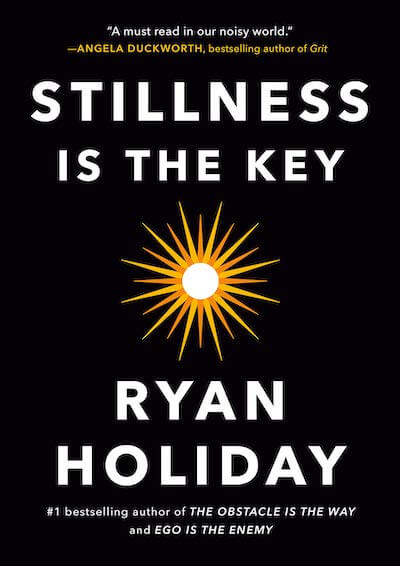
Stillness Is the Key Book Summary
This Stillness Is the Key Book Summary covers the key ideas, lessons, and takeaways in about 20 minutes.
Helps with these goals
Want the complete 20-minute summary?
- Full structured summary
- Video Summary
- Podcast Summary
- Audio summary
- Key takeaways
- Exercises
- Quiz
- Highlights and notes
- Ask the book with AI
What is in the Stillness Is the Key book summary?
Below is a preview of Sumizeit’s expert-written summary of Stillness Is the Key by Ryan Holiday. The full summary covers the book’s key ideas in text, audio, and video.
When was the last time you took a mindful pause to be still and reflective?
How often do you ignore the notifications popping up on your phone?
In this busy world full of technology and hustle and bustle, you probably don’t get to take a breather too often.
But, did you know that being still is actually a top-secret weapon according to some of the greatest leaders the world has ever known?
According to Ryan Holiday in his book, “Stillness Is the Key,” taking a moment to breathe can help induce creativity and bring great clarity to your life.
These pauses soaked with inactivity can actually propel your life forward and alter your perspective.
“Stillness is what aims the archer’s arrow. It inspires new ideas. It sharpens perspective and illuminates connections.”- Ryan Holiday
The trick is learning how to sit still while the world continues on around you.
Stillness Is the Key To Peace
We live in a world full of noise. There are constant conversations wherever we go, there is social media begging us to scroll through, traffic honking, and on top of that, we have our own schedules to adhere to which include family duties, social obligations, and of course, work. Life in the modern day is busy.
This busyness causes stress in our lives because we feel at high-demand 24/7. Everyone is trying to get our attention in one way or another. So, how do we clear our heads in order to make decisions efficiently?
According to Holiday, the best way to find clarity and peace is to be still.
But, what exactly is Stillness?
It’s an abstract idea, but you are sure to know it when you practice it.
Stillness can come in different forms. Perhaps you have felt it by being present and watching the sunrise. Or, maybe you have felt it while performing onstage. Or, while running a marathon. It is the simple, yet exuberant, feeling of being alive.
By muting both the chaos that is affecting you externally such as phonecalls and group texts and internally such as worries about a deadline, you will be able to tap into a greater knowledge that’s hiding inside yourself.
“How different would the world look if people spent as much time listening to their conscience as they did to chattering broadcasts? If they could respond to the calls of their convictions as quickly as we answer the dings and rings of technology in our pockets?”- Ryan Holiday
If you can find peace inside yourself, you will still be able to function to the best of your ability, even if your external world is crumbling around you.
A lot of religions have embraced Stillness. Buddhists, Muslims, and Christians all practice Stillness under different names. But, the universal message is the same: Stillness brings peace and clarity to one’s life.
Slow Things Down
Sometimes it is best to slow things down and resist listening to our gut instincts. Especially in high-stake situations.
Want the complete 20-minute summary?
- Full structured summary
- Video Summary
- Podcast Summary
- Audio summary
- Key takeaways
- Exercises
- Quiz
- Highlights and notes
- Ask the book with AI
Who should read Stillness Is the Key?
Stillness Is the Key is for anyone feeling overwhelmed by constant connectivity, information overload, and the relentless pace of modern life. Whether you're a busy professional, creative seeking inspiration, or leader facing difficult decisions, this book offers practical strategies to reclaim mental clarity and inner peace amid chaos.
Why does Stillness Is the Key matter?
In our hyperconnected world, stillness has become a rare and powerful competitive advantage. Ryan Holiday reveals how history's greatest leaders and thinkers used moments of quiet reflection to make better decisions, spark creativity, and maintain emotional resilience. This book shows that slowing down isn't laziness—it's essential to thriving in today's demanding environment.
What are the key themes in Stillness Is the Key?
- The power of silence and solitude in a noisy world
- Mindful pausing as a decision-making tool
- Curating your inputs to protect your attention
- Physical activity and embodied practices for mental clarity
- Inner peace as the foundation for genuine happiness
- The relationship between stillness and authentic living
- Simplicity and knowing when enough is enough
What are the key lessons from the Stillness Is the Key book summary?
Stillness Unlocks Clarity and Creativity
Taking intentional pauses allows your mind to process information deeply, leading to sharper decision-making and innovative thinking. Historical leaders like JFK used stillness during crises to see beyond immediate pressures and find elegant solutions.
Slow Down Your Response to High-Stakes Situations
Resist the urge to act on immediate gut instinct, especially when emotions run high. Creating deliberate space between stimulus and response gives you access to wisdom rather than reactive panic.
Be Selective About Your Inputs
Not every notification, email, or trending story deserves your attention. Following Napoleon's example of delayed letter-opening, you can let non-urgent matters resolve themselves while protecting your mental bandwidth for what truly matters.
Presence is a Rare and Valuable Gift
Modern life trains us to rush through moments seeking the next achievement. By deliberately slowing down and fully experiencing the present, you reclaim time and satisfaction that would otherwise be lost to distraction.
Journaling Creates Self-Understanding
Writing down your thoughts and experiences helps you understand your behaviors, emotions, and patterns from an outside perspective. Regular journaling becomes a form of waging peace with yourself.
Silence Reveals What Noise Obscures
In silence, you hear what's been drowned out by constant stimulation—both external sounds and internal wisdom. Cultivating quiet spaces allows you to notice and listen to what matters most.
A Peaceful Soul Is the Foundation of True Happiness
External success means nothing if your inner world is troubled by dishonesty or internal conflict. Genuine contentment requires alignment between your actions, values, and soul.
Master Desire Rather Than Being Mastered by It
Endless wanting keeps you perpetually unsatisfied. By questioning whether attaining something will meaningfully change your life, you break the cycle of chasing and learn to recognize when you have enough.
Beauty and Nature Calm the Mind
Exposure to beautiful surroundings—whether forests, gardens, or small details in everyday life—soothes anxious thoughts and restores peace. You don't need to travel far; learning to notice beauty nearby creates stillness.
Physical Movement Supports Mental Stillness
Engaging in embodied practices like bricklaying, yoga, or simple hobbies creates a meditative state that quiets the mind. Physical activity and mental peace work together, not against each other.
Sleep and Rest Are Acts of Strength
Honoring your limits and embracing adequate sleep isn't weakness—it's essential maintenance for your body, mind, and soul. Protecting your rest protects your ability to show up fully in life.
Say No to Protect Your Yes
Overcommitting to social obligations and extra responsibilities exhausts you and dilutes your presence in everything. Strategic saying no allows you to be genuinely present where it matters most.
Stillness Sharpens Decision-Making
When you approach decisions from a calm, centered place rather than urgency or emotion, you access clearer thinking and better outcomes. Leaders who master stillness make fewer costly mistakes.
Reflection Creates Integrity
Regular self-examination helps you notice where your actions diverge from your values, preventing the erosion of your soul that comes from living inauthentically. Stillness enables honest self-accountability.
Contentment Is a Choice You Reinforce Daily
Stillness practices train your mind to appreciate what you have rather than fixate on what's missing. Over time, this retrains your brain away from constant dissatisfaction toward genuine gratitude.
Sensory Awareness Deepens Presence
By consciously noticing sounds, sights, and sensations rather than filtering them out, you become more engaged with reality. This heightened awareness naturally quiets mental chatter.
Meditation Doesn't Require Sitting Still
Stillness can be achieved through walking, creating, moving, or any activity where your full attention is present. Find the meditative practice that naturally works for your mind.
Information Overload Prevents Wisdom
Consuming endless data and news doesn't make you wiser—it clutters your mind. Strategic information fasting creates space for deeper understanding and genuine insight.
Your Environment Shapes Your Inner State
Intentionally surrounding yourself with quiet, beauty, and simplicity directly influences your ability to access stillness. External design supports internal transformation.
Want the complete 20-minute summary?
- Full structured summary
- Video Summary
- Podcast Summary
- Audio summary
- Key takeaways
- Exercises
- Quiz
- Highlights and notes
- Ask the book with AI
How can you apply ideas from Stillness Is the Key?
- Turn off notifications and use 'Do Not Disturb' mode during focused work or family time to reclaim attention
- Start a daily journaling practice focused on understanding your emotions, reactions, and patterns from the day
- Delay reading emails and non-urgent messages by several hours or days to reduce reactive decision-making
- Establish a regular physical hobby—bricklaying, gardening, yoga, sketching—that engages your body and quiets your mind
- Create a quiet space in your home or visit natural settings for deliberate silence and reflection
- Practice saying no to social obligations and commitments that don't align with your priorities
- Before making important decisions, build in a delay period for walks, swims, or meditative activity rather than deciding immediately
What common mistakes do readers make with Stillness Is the Key?
- Confusing busyness with productivity and assuming more activity equals better results
- Treating every notification as urgent and responding to your phone faster than to your own inner voice
- Pushing through exhaustion instead of recognizing sleep as essential maintenance, not laziness
- Constantly seeking new achievements or possessions while ignoring the persistent emptiness that drives the cycle
Sumizeit Exercises Apply what you've learned
Turn ideas from Stillness Is the Key into action with a short guided reflection: identify the biggest takeaway, connect it to your life, and commit to one step you can take in the next 24 hours.
What is the expert analysis of Stillness Is the Key?
Overview
Stillness Is the Key is a contemplative work by Ryan Holiday, an American author and media strategist renowned for his contributions to modern Stoic philosophy and self-improvement literature. Holiday’s background in marketing and media, coupled with his extensive writing on philosophy and leadership, positions him uniquely to address the challenges of contemporary life through timeless wisdom. This book synthesizes insights from history, philosophy, and psychology to advocate for the transformative power of stillness in an increasingly noisy and distracted world.
Core Thesis
At the heart of Stillness Is the Key lies the argument that cultivating stillness—defined as a state of inner calm, clarity, and presence—is essential for achieving peace, effective decision-making, and personal fulfillment. Holiday contends that despite the relentless pace and distractions of modern life, stillness is a vital practice that enables individuals to access deeper wisdom, resist impulsive reactions, and align with their core values. Drawing on examples from historical figures such as JFK, Napoleon, and Tiger Woods, the book posits that stillness is not mere inactivity but an active engagement with one’s inner world that fosters resilience, creativity, and clarity.
Strengths
- Accessible Integration of Philosophy and Practicality: Holiday adeptly bridges ancient Stoic principles with modern-day challenges, making philosophical concepts tangible and actionable for a broad audience.
- Rich Historical Illustrations: The use of well-chosen historical anecdotes, such as JFK’s measured response during the Cuban Missile Crisis, enriches the narrative and grounds abstract ideas in real-world scenarios.
- Holistic Approach to Stillness: The book explores stillness not only as mental quietude but also through physical activity, journaling, cultivating silence, and embracing nature, offering a multifaceted toolkit for readers.
- Emphasis on Mindful Presence: Holiday’s focus on slowing down, selective attention, and resisting the compulsions of digital distraction resonates deeply in an era dominated by information overload.
- Encouragement of Self-Reflection: The advocacy for journaling and conscious self-examination promotes psychological insight and emotional regulation, which are critical for sustained well-being.
Critiques & Counterarguments
- Potential Oversimplification of Complex Psychological States: While stillness is valuable, the book occasionally glosses over the complexity of mental health issues, implying that stillness alone can resolve deep psychological distress, which may not hold true for clinical conditions.
- Selective Historical Examples: The reliance on elite historical figures may limit the universality of the message; the experiences of these individuals might not translate seamlessly to everyday struggles faced by diverse populations.
- Limited Engagement with Contrasting Philosophies: The book largely draws from Stoicism and similar traditions but does not deeply engage with alternative schools of thought that emphasize action, change, or social engagement as paths to fulfillment.
- Modern Neuroscientific Perspectives: Contemporary research on attention and cognitive function suggests that while stillness can aid focus, the brain also benefits from varied stimulation; thus, a wholesale retreat into stillness may not be optimal for all individuals or contexts.
- Risk of Passive Acceptance: The emphasis on stillness and acceptance might be interpreted as advocating passivity in the face of injustice or adversity, potentially conflicting with philosophies that prioritize activism and systemic change.
Who Should Read This
Stillness Is the Key is ideally suited for readers seeking a thoughtful antidote to the frenetic pace of modern life—professionals, leaders, creatives, and anyone interested in personal development through philosophical reflection. It appeals to those drawn to Stoic philosophy and mindfulness practices, as well as individuals grappling with stress, decision fatigue, or a desire for greater clarity and purpose. However, readers looking for rigorous psychological treatment models or comprehensive social critique may find the book’s scope somewhat limited. Ultimately, it offers a compelling invitation to cultivate inner stillness as a foundation for a more intentional and peaceful existence.
Frequently asked questions about the Stillness Is the Key book summary
What is Stillness Is the Key about?
Stillness Is the Key by Ryan Holiday explores how intentional pauses, silence, and reflection are essential tools for clarity, better decision-making, and inner peace. The book uses historical examples and practical strategies to show how slowing down and cultivating stillness—not productivity—is the real secret to success and happiness in our hyperconnected world.
Who should read Stillness Is the Key?
This book is ideal for anyone overwhelmed by constant connectivity, busy professionals struggling with decision-making, creatives seeking inspiration, and leaders facing high-pressure situations. It's also valuable for anyone experiencing stress, anxiety, or the sense that modern life is passing them by despite constant activity.
What are the main takeaways from Stillness Is the Key?
The core lessons include: slowing down before major decisions, being selective about information and inputs, practicing presence rather than rushing, using journaling for self-understanding, cultivating silence and beauty, engaging in embodied practices, and recognizing that true happiness requires inner peace and alignment between your values and actions. Collectively, these practices reveal that stillness isn't the opposite of productivity—it's the foundation for meaningful achievement.
How can I practice stillness in a busy, modern life?
Start with small, concrete practices: turn off notifications for focused blocks of time, take daily walks in silence or nature, establish a journaling habit, choose one physical hobby that absorbs your attention, and deliberately delay checking emails and non-urgent messages. Even 10-15 minutes of intentional quiet daily begins rewiring your brain toward stillness.
Does Stillness Is the Key have a spiritual or religious focus?
While the book acknowledges that Buddhism, Christianity, and Islam all practice forms of stillness, it isn't tied to any single religion. Ryan Holiday approaches stillness from philosophical, historical, and practical angles, making it accessible regardless of spiritual background or beliefs.
How is stillness different from laziness or procrastination?
Stillness is intentional and purposeful—a deliberate pause to gain clarity or recharge. Laziness avoids responsibility, while procrastination delays necessary action. Stillness actually sharpens your ability to act decisively and effectively when the time comes, as demonstrated by JFK during the Cuban Missile Crisis.
Can stillness really improve my decision-making?
Yes. By creating space between stimulus and response, you bypass reactive fight-or-flight thinking and access deeper wisdom. Historical leaders like JFK, Napoleon, and Churchill used stillness practices during crises to make better strategic decisions than they would have under immediate pressure.
About Sumizeit
Sumizeit is a profitable Scomy LLC company based in Miami, Florida. It has been helping readers learn from nonfiction books for 7 years with expert-written summaries in text, audio, podcast, and video.
Want the complete 20-minute summary?
- Full structured summary
- Video Summary
- Podcast Summary
- Audio summary
- Key takeaways
- Exercises
- Quiz
- Highlights and notes
- Ask the book with AI
Here's why readers love Sumizeit
Join thousands of learners getting smarter every day
"Great experience. Detailed summaries. Loved the gamification feature. Makes learning fun. Good customer service. I recommend Sumizeit to anyone. You'll learn a lot."
"I always felt busy but still wanting to keep up with the book discussion in my friend group. This was a great supplement to help me keep reading the books I find fun while keeping up with important books."
"I love this website. Instead of scrolling social media, I find myself learning a lot. I use it everyday. I recommend this app for anyone who is too busy and wants to get up to speed with their favorite books."
Stillness Is the Key Book Summary PDF
Looking for a Stillness Is the Key Book Summary PDF you can save and revisit offline? Our Stillness Is the Key Book Summary PDF captures the book’s core ideas in a clean, printable format — the key frameworks, takeaways, and structure without the fluff. Download the Stillness Is the Key Book Summary PDF when you want a reference you can annotate, share with your team, or review on the go. Get your Stillness Is the Key Book Summary PDF from the download page below.
Download Stillness Is the Key Book Summary PDFPeople also liked these summaries
Readers who explored Stillness Is the Key often enjoyed these titles next.
Want the complete 20-minute summary?
- Full structured summary
- Video Summary
- Podcast Summary
- Audio summary
- Key takeaways
- Exercises
- Quiz
- Highlights and notes
- Ask the book with AI
Featured Book Titles
Popular Book Summaries at sumizeit, leading book summary app
