


As an Amazon Associate, Sumizeit earns from qualifying purchases.
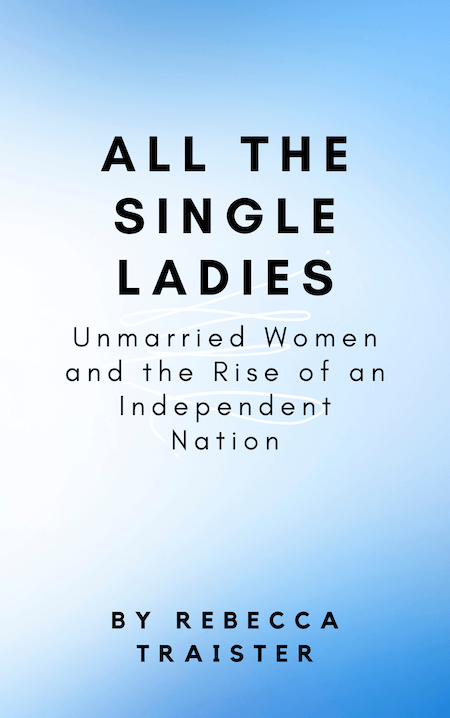
All the Single Ladies Book Summary
This All the Single Ladies Book Summary covers the key ideas, lessons, and takeaways in about 20 minutes.
Helps with these goals
Want the complete 20-minute summary?
- Full structured summary
- Video Summary
- Podcast Summary
- Audio summary
- Key takeaways
- Exercises
- Quiz
- Highlights and notes
- Ask the book with AI
What is in the All the Single Ladies book summary?
Below is a preview of Sumizeit’s expert-written summary of All the Single Ladies by Rebecca Traister. The full summary covers the book’s key ideas in text, audio, and video.
The institution of marriage has changed over time. For women, marriage is becoming more of a choice than before. And women are choosing to either wait to get married or not get married at all.
Still, being a single woman is not easy. People look at unmarried women with suspicion and some unmarried women struggle financially. But things are getting better.
Legal and social changes have made it easier to be an unmarried woman. There is more progress needed, especially for certain racial and socioeconomic groups. But, overall, now is the best time yet to be a single woman.
Marriage is changing.
More than ever before, women are choosing not to get married or delaying marriage until they are older. Despite claims that millennials are killing the institution of marriage, young people are not avoiding marriage entirely. Instead, they are delaying until they have some professional and financial security.
Traditional roles within marriages are also changing. Same-sex marriages show that gender does not need to determine who is responsible for what in a household. A 2014 survey from the University of Texas found that more people valued sharing the burdens of childcare and the home equally. Also, Pew surveys from 1997 and 2013 showed that fewer people find it challenging to have wives that work.
Women had to get married because single women didn’t have rights.
If you were a woman in the 17th century, you could not legally own any property. The only exception was a widow. So, if you wanted to own anything, you had to get married and wait for your husband to die.
It was possible for a woman to remain unmarried. But they had to rely on family to take care of them. An unmarried woman could not be wholly independent.
Property laws weren’t the only things against single women. Society viewed unmarried women poorly. They were even nicknamed thornbacks, which are fish with little flesh and a barbed tail.
Realistically, women needed to get married for better treatment by society and the legal system.
Societal changes made being an unmarried woman (relatively) easier.
During the Revolutionary War, women had control over businesses and property while the men were off fighting. At the same time, American women started learning about, discussing, and debating feminist ideas inspired by the French.
Before industrialization, women were expected to get married and have lots of children. All those hands were needed to work on farms, prepare food, make household goods, and to complete chores.
Economic and social changes in the United States gave women more opportunities. By the middle of the nineteenth century, women were needed for jobs like nursing and teaching.
By this time, there were more women who remained single their entire lives. For example, author Louisa May Alcott never married and supported herself with different jobs before publishing Little Women. Another lifelong single woman was Susan B. Anthony, who fought for women’s rights and spoke out about issues with marriage.
World War II created another opportunity…
Want the complete 20-minute summary?
- Full structured summary
- Video Summary
- Podcast Summary
- Audio summary
- Key takeaways
- Exercises
- Quiz
- Highlights and notes
- Ask the book with AI
Who should read All the Single Ladies?
All the Single Ladies is essential reading for women navigating career, family, and relationship choices in the modern world. It's also valuable for anyone interested in feminist history, gender studies, or understanding how social and legal changes have transformed women's independence. Men seeking to understand the perspectives and realities of unmarried women in contemporary society will find important insights here.
Why does All the Single Ladies matter?
Rebecca Traister's book challenges the pervasive cultural assumption that marriage is a requirement or ultimate goal for women, offering historical perspective on how recent legal and social changes have made genuine choice possible. In an era where record numbers of women remain single by choice, this examination of what independence really means—and who can actually achieve it—addresses urgent questions about equality, opportunity, and fulfillment. The book reveals both the unprecedented freedoms now available and the persistent barriers that make single life harder for women of color and those with limited economic resources.
What are the key themes in All the Single Ladies?
- Marriage as choice rather than necessity
- Historical barriers to women's independence
- The link between legal rights and personal freedom
- Economic realities of single women
- Friendship and platonic relationships as fulfilling alternatives
- Career advancement and family pressures
- Persistent social stigma around unmarried women
What are the key lessons from the All the Single Ladies book summary?
Women historically had no choice but to marry
Before modern legal reforms, unmarried women in the 17th and 18th centuries lacked property rights, economic security, and social respectability. Marriage was not a romantic choice but a survival necessity.
Reproductive rights were the turning point
Supreme Court decisions like Eisenstadt v. Baird and Roe v. Wade gave women control over their bodies and futures, making it possible to remain single without accidental pregnancy forcing marriage.
Legal and financial independence came together
Access to credit, mortgages, and property ownership emerged around the same time as reproductive rights, creating a foundation for genuine economic autonomy outside marriage.
Major historical events accelerated women's workforce participation
Wars and industrialization repeatedly demonstrated that women could work and thrive outside the home, gradually shifting expectations about women's capabilities and roles.
Single status is still viewed with suspicion
Despite legal progress, unmarried women face cultural prejudice and their credibility is questioned in professional and legal contexts, as illustrated by how Anita Hill's single status was weaponized against her.
Marriage benefits men's careers more than women's
Research shows married men advance faster professionally while married women are promoted more slowly, reflecting underlying assumptions that wives should prioritize family over ambition.
Not all marriages improve health and well-being
While some studies link marriage to better health, the quality of the relationship matters enormously—unhappy marriages and divorces can damage health, while unmarried women can achieve fulfillment through other means.
Delaying marriage allows women to establish themselves first
Waiting to marry gives women time to pursue education, build careers, and develop stronger self-knowledge, enabling them to make better partner choices from a position of strength.
Close friendships provide many benefits of marriage
Platonic relationships can offer emotional support, shared interests, encouragement, and protection from loneliness—core elements people often seek in marriage without requiring a legal commitment.
Single women can be sexually fulfilled without marriage
Modern attitudes allow women to experience sexual fulfillment on their own terms, a freedom historically available only to men, though such women still face unfair judgment.
Reproductive technology expands women's options
Advances allowing women to have children later in life or without male partners further reduce the practical reasons women might feel forced into marriage.
Economic inequality makes singlehood harder for some women
Women earning minimum wage or facing racial pay gaps struggle more with single life financially, making marriage feel necessary even when undesired—a burden not equally shared.
Better social support would enable genuine choice
Policies addressing childcare, healthcare, and wage gaps could actually free more women to choose marriage only when it's right for them, rather than out of financial desperation.
Changing expectations about gender roles in marriage
Same-sex marriage and evolving surveys show that people increasingly reject the idea that gender should determine household roles, opening possibilities for more equitable partnerships.
Historical single women created their own paths
Figures like Louisa May Alcott and Susan B. Anthony demonstrated that unmarried women could support themselves, pursue meaningful work, and contribute significantly to society.
Childlessness carries unfair stigma for women
Choosing not to have children is often labeled selfish when done by women, despite growing acceptance of childless adults, reflecting persistent double standards.
Young people delay rather than reject marriage entirely
Millennials aren't abandoning marriage but postponing it until they achieve professional and financial stability, a rational response to economic realities and changing values.
Single women's credibility is questioned in public life
Unmarried women's motives, judgment, and mental health are scrutinized in ways that undermine their authority and professional standing, as seen in political and legal contexts.
Now is the best time in history to be a single woman
Though challenges remain, legal rights, economic opportunities, and social acceptance have converged to create unprecedented freedom for women to choose their own paths.
Personal fulfillment doesn't require marriage
Single women can build meaningful lives through careers, friendships, sexuality, and personal development—marriage is an option, not a prerequisite for happiness.
Want the complete 20-minute summary?
- Full structured summary
- Video Summary
- Podcast Summary
- Audio summary
- Key takeaways
- Exercises
- Quiz
- Highlights and notes
- Ask the book with AI
How can you apply ideas from All the Single Ladies?
- Evaluate your own assumptions about marriage by examining whether your desire to marry comes from genuine choice or internalized pressure and cultural messaging.
- Build and nurture close friendships as primary relationships that provide emotional support, stability, and fulfillment independent of romantic partnerships.
- Prioritize education and career development early in life to establish financial independence and professional credibility before considering marriage.
- Advocate for workplace policies and social programs that support all women financially, making single life genuinely sustainable regardless of income level.
- Make reproductive choices based on your own timeline and goals rather than allowing relationship status to dictate decisions about contraception, pregnancy, or parenthood.
- Challenge single women's credibility being questioned in professional and legal contexts by recognizing this bias and supporting other women facing it.
- Seek partnerships—whether romantic or not—based on genuine compatibility and mutual support rather than economic necessity or social expectation.
What common mistakes do readers make with All the Single Ladies?
- Assuming that marriage is the primary path to happiness, security, or fulfillment rather than recognizing it as one of many possible choices.
- Overlooking the economic realities that make singlehood harder for women of color and lower-income women, leading to incomplete understanding of the issue.
- Dismissing the achievements and credibility of unmarried women based on cultural stereotypes about what their single status supposedly reveals about them.
- Failing to recognize that the benefits of marriage depend heavily on relationship quality, and that unhappy marriages can be worse for health and career than remaining single.
Sumizeit Exercises Apply what you've learned
Turn ideas from All the Single Ladies into action with a short guided reflection: identify the biggest takeaway, connect it to your life, and commit to one step you can take in the next 24 hours.
What is the expert analysis of All the Single Ladies?
Overview
All the Single Ladies: Unmarried Women and the Rise of an Independent Nation is a compelling exploration of the evolving institution of marriage and the increasing autonomy of unmarried women in America. Authored by Rebecca Traister, a respected journalist known for her incisive commentary on feminism and women’s issues, this book situates the personal choices of single women within broader historical, legal, and social transformations. Traister’s background in prominent publications such as New York Magazine and Elle lends the work both journalistic rigor and cultural relevance, making it a significant contribution to contemporary feminist literature.
Core Thesis
Traister’s central argument is that marriage, once a near-mandatory institution for women’s social and economic survival, has transformed into a genuine choice rather than an obligation. This shift reflects profound legal, economic, and cultural changes that have empowered women to live independently, pursue careers, and define their lives on their own terms. The book contends that while being single still entails societal challenges and stigmas, especially for minority and lower-income women, the current era represents the most liberated moment in history for unmarried women. Ultimately, Traister reframes singleness not as a deficiency or failure but as a site of freedom and empowerment.
Strengths
- Historical Depth: Traister adeptly traces the evolution of women’s legal and social status from the 17th century to the present, grounding contemporary phenomena in rich historical context.
- Intersectional Awareness: The book acknowledges the varied experiences of single women across racial and socioeconomic lines, highlighting systemic inequalities that complicate the narrative of freedom.
- Nuanced Legal Analysis: By examining landmark cases such as Eisenstadt v. Baird and Roe v. Wade, Traister connects legal milestones to the expanding autonomy of single women, illustrating the interplay between law and lived experience.
- Cultural Relevance: The discussion of modern attitudes toward marriage, childlessness, and sexual liberation resonates with ongoing debates in feminism and social policy.
- Balanced Perspective on Marriage: The book neither idealizes nor demonizes marriage but critically assesses its benefits and drawbacks, particularly in relation to women’s health, career advancement, and personal fulfillment.
Critiques & Counterarguments
- Overgeneralization of Progress: While Traister highlights significant advances, the portrayal of the current era as the “best time” for single women may understate persistent structural barriers, such as racial discrimination and economic precarity, that severely limit true choice for many.
- Selective Use of Evidence: The book relies heavily on legal and cultural milestones primarily relevant to the United States, potentially neglecting comparative perspectives that might reveal different trajectories or challenges faced by unmarried women globally.
- Health and Marriage Correlation Complexity: Traister questions studies linking marriage to better health but does not fully engage with extensive research suggesting that social support networks—whether marital or otherwise—are critical for well-being, which complicates the simplistic dichotomy of married versus single.
- Economic Realities and Marriage: The argument that marriage is less beneficial to women’s careers might overlook nuanced labor market dynamics and the role of supportive partners; some research indicates that egalitarian marriages can enhance women’s professional opportunities.
- Alternative Feminist Perspectives: Some feminist scholars argue that focusing on individual choice risks obscuring the need for systemic reforms in work-life balance policies, childcare support, and economic equity, which are essential for genuine freedom beyond marital status.
Who Should Read This
All the Single Ladies is essential reading for scholars and thoughtful readers interested in gender studies, feminist theory, and social history. It offers valuable insights for policymakers and activists focused on women’s rights and social equity. Additionally, the book speaks to unmarried women themselves, as well as those contemplating marriage, by providing a nuanced understanding of the cultural and legal landscape shaping their choices. Anyone seeking to understand the complex interplay between personal autonomy and societal expectations in contemporary womanhood will find Traister’s work both enlightening and provocative.
Frequently asked questions about the All the Single Ladies book summary
What is All the Single Ladies about?
All the Single Ladies by Rebecca Traister is a historical and social examination of unmarried women in America, tracing how legal reforms, economic changes, and cultural shifts have made it possible for women to choose singlehood. The book argues that we are living in the best time yet to be an unmarried woman, while acknowledging that persistent challenges remain, especially for women of color and those with limited economic resources.
Who should read All the Single Ladies?
All the Single Ladies is essential for single women navigating life choices, but it's also valuable for anyone interested in feminist history, gender equality, and social change. Men seeking to understand women's experiences and perspectives, professionals in policy and social services, and anyone questioning cultural narratives about marriage and women's roles will find important insights in this book.
What are the main takeaways from All the Single Ladies?
The main takeaways are that marriage is now a choice rather than a necessity for women, thanks to hard-won legal and economic rights; that single women can build fulfilling lives through careers, friendships, and personal development; and that while progress has been made, significant barriers remain for women facing economic inequality or racial discrimination. The book ultimately argues that women deserve genuine freedom to choose whether and when to marry based on what's right for them individually.
How have legal changes affected women's ability to remain single?
Critical Supreme Court decisions like Eisenstadt v. Baird (contraception access), Roe v. Wade (abortion rights), and the Equal Credit Opportunity Act (mortgage and credit access) fundamentally transformed women's independence. These legal victories, combined with property rights reforms, gave women control over their bodies, finances, and futures—making singlehood economically and legally viable for the first time in history.
Does Traister argue that women shouldn't get married?
No, Traister does not argue against marriage. Instead, she argues for genuine choice—that women should only marry if and when they truly want to, with the right partner at the right time. She presents marriage as one of many valid life paths, alongside single life, emphasizing that both can be fulfilling depending on individual circumstances and preferences.
What does the book say about single women and financial security?
The book acknowledges that financial security remains difficult for single women, particularly those earning minimum wage or facing racial pay gaps. While marriage doesn't guarantee financial stability—millions of married people live in or near poverty—it can feel easier to struggle with a partner's income than alone. Better social services and policies addressing wage gaps would enable more women to choose singlehood freely rather than out of desperation.
How does All the Single Ladies address childlessness?
Traister examines how childless women face unfair stigma and are labeled selfish, while childless men face no such judgment. She discusses how reproductive technology gives women more options to have children without marriage, and how delaying or forgoing motherhood can actually benefit women's careers. The book challenges the assumption that motherhood should be central to women's identities.
About Sumizeit
Sumizeit is a profitable Scomy LLC company based in Miami, Florida. It has been helping readers learn from nonfiction books for 7 years with expert-written summaries in text, audio, podcast, and video.
Want the complete 20-minute summary?
- Full structured summary
- Video Summary
- Podcast Summary
- Audio summary
- Key takeaways
- Exercises
- Quiz
- Highlights and notes
- Ask the book with AI
Here's why readers love Sumizeit
Join thousands of learners getting smarter every day
"Great experience. Detailed summaries. Loved the gamification feature. Makes learning fun. Good customer service. I recommend Sumizeit to anyone. You'll learn a lot."
"I always felt busy but still wanting to keep up with the book discussion in my friend group. This was a great supplement to help me keep reading the books I find fun while keeping up with important books."
"I love this website. Instead of scrolling social media, I find myself learning a lot. I use it everyday. I recommend this app for anyone who is too busy and wants to get up to speed with their favorite books."
All the Single Ladies Book Summary PDF
Looking for a All the Single Ladies Book Summary PDF you can save and revisit offline? Our All the Single Ladies Book Summary PDF captures the book’s core ideas in a clean, printable format — the key frameworks, takeaways, and structure without the fluff. Download the All the Single Ladies Book Summary PDF when you want a reference you can annotate, share with your team, or review on the go. Get your All the Single Ladies Book Summary PDF from the download page below.
Download All the Single Ladies Book Summary PDFPeople also liked these summaries
Readers who explored All the Single Ladies often enjoyed these titles next.



Want the complete 20-minute summary?
- Full structured summary
- Video Summary
- Podcast Summary
- Audio summary
- Key takeaways
- Exercises
- Quiz
- Highlights and notes
- Ask the book with AI
Featured Book Titles
Popular Book Summaries at sumizeit, leading book summary app