


As an Amazon Associate, Sumizeit earns from qualifying purchases.
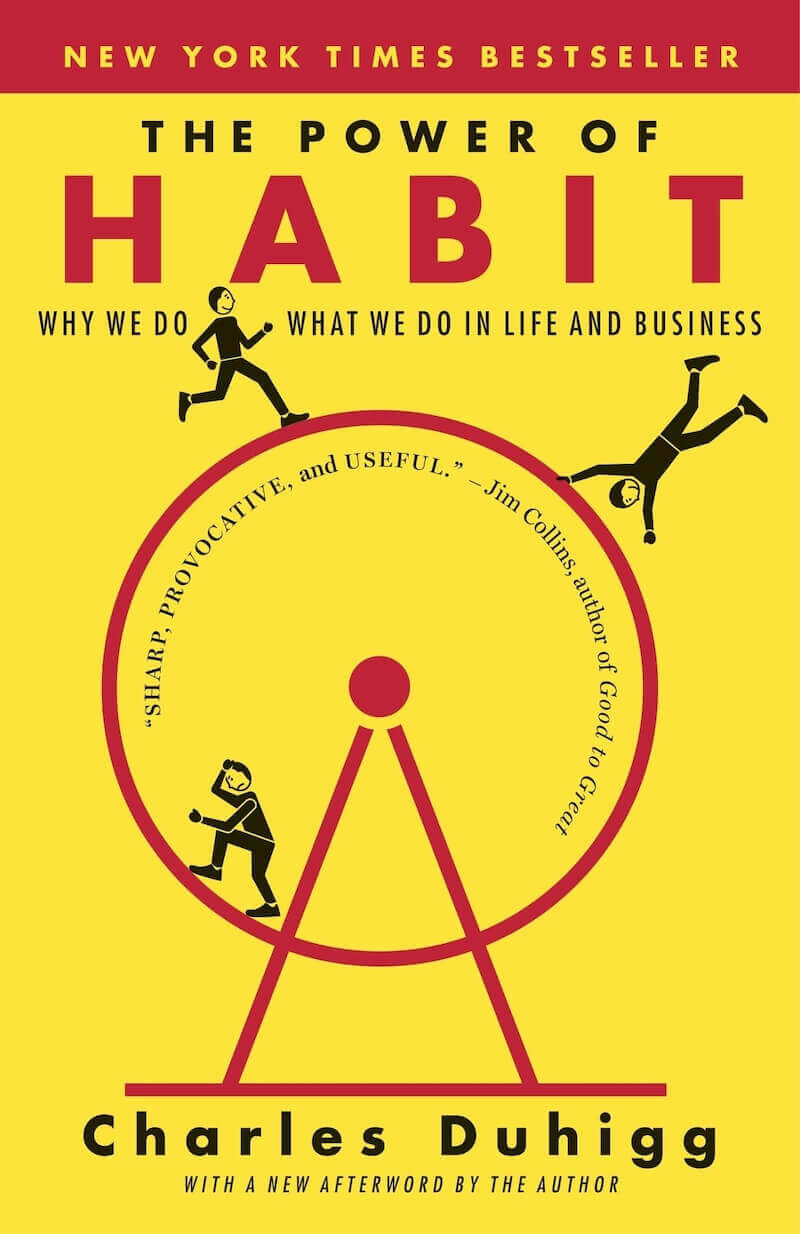
The Power of Habit Book Summary
This The Power of Habit Book Summary covers the key ideas, lessons, and takeaways in about 20 minutes.
Helps with these goals
Want the complete 20-minute summary?
- Full structured summary
- Video Summary
- Podcast Summary
- Audio summary
- Key takeaways
- Exercises
- Quiz
- Highlights and notes
- Ask the book with AI
What is in the The Power of Habit book summary?
Below is a preview of Sumizeit’s expert-written summary of The Power of Habit by Charles Duhigg. The full summary covers the book’s key ideas in text, audio, and video.
Have you ever caved and dated that person you said you were never going to date again?
Have you continuously cheated on your diet even when you promised yourself you weren't going to?
Do you continuously procrastinate your work because you know you'll get it done in the end?
Sound familiar?
That's because it's a habit and it's something we all do.
Humans are creatures of habit. Habits make us feel comfortable and familiar. We do them because we already know the outcome. However, habits are not bad all of the time. Once we learn to distinguish the good from the bad, we can start to use habits to our advantage.
"The Golden Rule of Habit Change: You can't extinguish a bad habit, you can only change it." - Charles Duhigg
In, "The Power of Habit" by Charles Duhigg, he discusses how habits actually work so you can do your best to overcome them. Understanding is the key to success.
What Habits Do To the Brain
In an experiment involving mice and chocolate, scientists from MIT determined that once mice started performing habitually to find the chocolate they were smelling, their brain activity decreased. Transferring that information to humans- once something becomes a habit, you don't think about it anymore. You simply just do it.
The formation of a habit can be broken in a 3-step process.
Why Habits Stick
The crave-factor is what makes habits hard to kick.
If you are used to indulging in a morning coffee, but you are trying to be tight with cash, you'll definitely be craving the reward of a Starbucks while you're slowly sipping on your homebrewed joe. That is why habits are hard to break.
By understanding this, you can use it to your advantage by forming good habits.
Substitute Your Routine
Have you ever heard of people swapping cigarettes for toothpicks? This is the power of substitution when it comes to replacing a habit. By putting a toothpick in your mouth, you are substituting the cigarette and forming a new habit.
A prominent example of routine substitution in our society is AA meetings. Alcoholics use these sessions to substitute their abuse of alcohol.
Keystone Habits
Keystone habits, as Duhigg calls them, are the small habits that hold everything together. They are the building blocks for routines.
These habits can help to change your lifestyle dramatically. For example, if someone is trying to cut out sugar, developing the keystone habit of writing down sugar intake will help to center the focus on the goal. This small win will help to forward your progress.
Another example of a keystone habit is wearing your gym clothes to bed to make it easier to wake up earlier to exercise.
These little changes in your routine, or keystone habits, can help to establish lifestyle changes.
Science of Willpower
Willpower is a crucial factor in breaking or forming a habit.
"Willpower isn't just a skill. It's a muscle, like the muscles in your arms or legs, and…
Want the complete 20-minute summary?
- Full structured summary
- Video Summary
- Podcast Summary
- Audio summary
- Key takeaways
- Exercises
- Quiz
- Highlights and notes
- Ask the book with AI
Who should read The Power of Habit?
The Power of Habit is ideal for anyone struggling with unwanted behaviors, from professionals seeking to boost productivity to individuals battling personal demons like overeating or procrastination. It's equally valuable for managers, marketers, and organizational leaders who want to understand how to drive change at scale. Whether you're looking to break a bad habit or build good ones, this book provides the scientific framework to make lasting transformations.
Why does The Power of Habit matter?
In a world where willpower feels increasingly depleted and self-improvement advice often falls short, Charles Duhigg's The Power of Habit cuts through the noise by revealing the neuroscience behind behavior change. Understanding habits isn't just about personal improvement—it impacts business strategy, public health, and organizational culture. By learning how habits actually work, you gain the power to reshape your life and influence others in meaningful ways.
What are the key themes in The Power of Habit?
- The habit loop: cue, routine, and reward
- Willpower as a finite, exhaustible resource
- Keystone habits as catalysts for broader change
- Routine substitution over elimination
- Organizational and consumer behavior patterns
- Personal responsibility for habit change
- How companies leverage familiar patterns for acceptance
What are the key lessons from the The Power of Habit book summary?
Habits operate on a three-part loop
Every habit is triggered by a cue, followed by a routine, and completed by a reward. Understanding this neurological pattern is the foundation for changing any behavior.
Your brain disengages from habitual actions
Once a behavior becomes automatic, your brain activity actually decreases because you stop consciously thinking about it. This efficiency is why habits are so powerful and hard to break.
You cannot eliminate habits—only replace them
The Golden Rule of Habit Change states that bad habits cannot be erased; instead, you must substitute the routine while keeping the same cue and reward structure intact.
Cravings are what cement habits
The anticipation of a reward creates a powerful craving that keeps habits locked in place, making willpower alone insufficient without addressing the underlying desire.
Keystone habits trigger cascading positive changes
Small, strategic habits act as building blocks that automatically reshape other areas of your life, creating a domino effect of improvement without requiring willpower for every decision.
Willpower is a muscle that fatigues
Like physical muscles, willpower depletes with use throughout the day, which is why habits become especially tempting when you're tired or stressed.
Routine substitution requires identifying the true reward
Simply replacing one action with another fails unless you understand what reward the original habit was providing and ensure the new routine delivers the same satisfaction.
Companies use familiar patterns to drive acceptance of change
By packaging new products or ideas within existing consumer habits, businesses overcome resistance and make innovations feel safe and natural.
Environmental design strengthens habit formation
Strategic changes to your physical environment—like laying out gym clothes or placing healthy snacks at eye level—make desired behaviors easier and more automatic.
Awareness alone isn't enough to change habits
Simply knowing a habit is bad doesn't automatically break it; you must consciously apply the habit-change formula and commit to sustained effort.
Habits are context-dependent and can be disrupted
Changing your environment or daily routine can interrupt automatic behaviors, creating a window of opportunity to establish new patterns.
Social structures support habit change
Communities and group settings, like AA meetings, provide accountability and alternative cues that make substituting entrenched habits more achievable.
Belief in your ability to change is critical
Successful habit change requires genuine belief that transformation is possible; this conviction fuels the sustained effort needed to rewire your brain.
Small wins build momentum for larger changes
Celebrating incremental progress through keystone habits creates psychological motivation that makes bigger lifestyle transformations feel feasible.
You bear personal responsibility for your habits
Once you understand how habits work and recognize their impact on yourself and others, you have both the freedom and the obligation to change them.
Want the complete 20-minute summary?
- Full structured summary
- Video Summary
- Podcast Summary
- Audio summary
- Key takeaways
- Exercises
- Quiz
- Highlights and notes
- Ask the book with AI
How can you apply ideas from The Power of Habit?
- Identify a bad habit and map its cue, routine, and reward to understand exactly what triggers and reinforces the behavior
- Practice routine substitution by replacing the problematic action with a new one that delivers the same reward but aligns with your goals
- Implement keystone habits like tracking or environmental changes to initiate broader lifestyle transformations without relying on willpower alone
- Design your environment strategically to make desired behaviors easier and undesired ones more friction-filled
- Build accountability systems or join communities that provide social cues and rewards to support habit change
- Schedule high-willpower activities when your mental reserves are strongest, leaving simpler decisions for later in the day
- Test new habits by first understanding what reward you're truly seeking, then ensure your replacement routine satisfies that same craving
What common mistakes do readers make with The Power of Habit?
- Trying to eliminate a bad habit entirely instead of replacing it with a new routine that satisfies the same reward
- Relying on willpower alone without addressing the underlying cue or craving that fuels the habit
- Failing to identify the true reward a habit provides, making substitution attempts ineffective or short-lived
- Underestimating how environmental cues unconsciously trigger habits, then becoming discouraged when willpower fails
- Ignoring keystone habits and expecting all behaviors to change through conscious effort rather than leveraging foundational shifts
Sumizeit Exercises Apply what you've learned
Turn ideas from The Power of Habit into action with a short guided reflection: identify the biggest takeaway, connect it to your life, and commit to one step you can take in the next 24 hours.
What is the expert analysis of The Power of Habit?
Overview
The Power of Habit, authored by Charles Duhigg, stands as a seminal work in the intersection of psychology, neuroscience, and behavioral economics. Duhigg, a Pulitzer Prize-winning journalist, distills complex scientific research into accessible narratives, making the mechanisms of habit formation and change comprehensible to a broad readership. The book’s significance lies in its practical framework for understanding and reshaping human behavior, offering insights that resonate across personal development, corporate strategy, and social change.
Core Thesis
Duhigg’s central argument is that habits operate through a neurological loop consisting of a cue, a routine, and a reward. This “habit loop” governs much of human behavior, often beneath conscious awareness. Importantly, while habits are deeply ingrained, they are not immutable; by identifying and manipulating the components of this loop—particularly by substituting routines while maintaining cues and rewards—individuals and organizations can effectively change detrimental habits and cultivate beneficial ones. The concept of “keystone habits” further suggests that certain pivotal habits can trigger widespread positive transformations.
Strengths
- Clarity and Accessibility: Duhigg excels at translating dense scientific findings into engaging stories and practical advice, making the science of habit formation approachable without sacrificing rigor.
- Integrative Framework: The habit loop model synthesizes insights from neuroscience, psychology, and behavioral science into a coherent and actionable structure.
- Empirical Examples: The use of diverse case studies—from individual behavior changes to corporate practices—grounds abstract concepts in real-world contexts, enhancing the book’s applicability.
- Focus on Agency: By emphasizing that habits can be changed and that individuals bear responsibility for this change, the book empowers readers to take control of their behavioral patterns.
- Introduction of Keystone Habits: This notion highlights how small, strategic changes can cascade into broader life improvements, offering a nuanced understanding of behavioral dynamics.
Critiques & Counterarguments
- Oversimplification of Habit Complexity: While the cue-routine-reward loop is a useful heuristic, contemporary neuroscience suggests that habit formation and maintenance involve more complex neural circuits and contextual factors than the model fully captures.
- Variable Efficacy of Substitution: The strategy of substituting routines assumes that rewards remain constant, but in practice, the subjective value of rewards can fluctuate, complicating habit change efforts.
- Limited Attention to Social and Structural Influences: The book emphasizes individual responsibility but underplays how socioeconomic factors, cultural norms, and systemic barriers constrain habit formation and change.
- Competing Research on Willpower: Duhigg’s muscle metaphor for willpower aligns with some psychological studies but conflicts with research suggesting that motivation and environmental design can be more critical than willpower depletion in behavior change.
- Corporate Habit Manipulation Ethical Concerns: The discussion of how companies exploit habits for profit raises ethical questions that the book touches on but does not deeply interrogate, potentially glossing over the manipulative dimensions of habit-based marketing.
Who Should Read This
The Power of Habit is essential reading for professionals in business, marketing, psychology, and education who seek to understand the underlying drivers of behavior. It is equally valuable for individuals committed to personal growth, offering a pragmatic roadmap for self-improvement. Readers interested in the science of behavior change, as well as those curious about how habits shape organizational culture and consumer behavior, will find this book both enlightening and practically useful.
Frequently asked questions about the The Power of Habit book summary
What is The Power of Habit about?
The Power of Habit by Charles Duhigg explores the science behind how habits form and how they can be changed. The book reveals that all habits follow a three-part loop—a cue, a routine, and a reward—and that understanding this structure is key to breaking bad habits and building good ones. Rather than trying to eliminate habits through willpower alone, Duhigg teaches readers how to substitute problematic routines with better alternatives while maintaining the same reward.
Who should read The Power of Habit?
Anyone seeking to break unwanted behaviors or build productive new ones will benefit from The Power of Habit. The book appeals to professionals wanting to boost productivity, individuals struggling with personal habits like overeating or procrastination, and leaders looking to drive organizational change. It's also valuable for marketers and business strategists interested in understanding consumer behavior and how companies can influence habits at scale.
What are the main takeaways from The Power of Habit?
The core takeaways include: habits cannot be eliminated, only replaced by substituting the routine while keeping the cue and reward intact; willpower is a finite resource that depletes with use; keystone habits can trigger cascading positive changes across your life; and understanding the habit loop gives you both the freedom and responsibility to reshape your behaviors. The book emphasizes that once you grasp how habits work, you have the power to remake them deliberately.
How does the habit loop work according to Duhigg?
The habit loop consists of three components: a cue triggers the brain to initiate automatic behavior, the routine is the behavior itself, and the reward is the benefit your brain receives. Over time, your brain begins to crave the reward in anticipation of the cue, making the habit stronger and more automatic. This is why habits are so powerful—your brain essentially goes on autopilot once the pattern is established.
What is a keystone habit and why does it matter?
A keystone habit is a small, strategic habit that serves as a building block for broader lifestyle changes. Examples include tracking food intake or laying out gym clothes before bed. Keystone habits matter because they trigger a domino effect of positive changes in other areas of your life without requiring constant willpower, making them a powerful lever for transformation.
Can willpower help me break bad habits?
Willpower plays a role in habit change, but Duhigg explains that willpower is like a muscle that fatigues with use throughout the day. Relying on willpower alone is insufficient because it depletes under stress and fatigue. Instead, breaking bad habits is more effective when you understand the habit loop, substitute the routine strategically, and use environmental design to reduce the mental effort required.
Why do companies care about how habits work?
Companies understand that packaging new products or ideas within existing consumer habits increases acceptance and drives sales. By leveraging familiar patterns—like placing produce at the front of stores or structuring marketing around established routines—businesses make innovations feel natural and safe. This applies to everything from new songs to new food products to real estate marketing.
About Sumizeit
Sumizeit is a profitable Scomy LLC company based in Miami, Florida. It has been helping readers learn from nonfiction books for 7 years with expert-written summaries in text, audio, podcast, and video.
Want the complete 20-minute summary?
- Full structured summary
- Video Summary
- Podcast Summary
- Audio summary
- Key takeaways
- Exercises
- Quiz
- Highlights and notes
- Ask the book with AI
Here's why readers love Sumizeit
Join thousands of learners getting smarter every day
"Great experience. Detailed summaries. Loved the gamification feature. Makes learning fun. Good customer service. I recommend Sumizeit to anyone. You'll learn a lot."
"I always felt busy but still wanting to keep up with the book discussion in my friend group. This was a great supplement to help me keep reading the books I find fun while keeping up with important books."
"I love this website. Instead of scrolling social media, I find myself learning a lot. I use it everyday. I recommend this app for anyone who is too busy and wants to get up to speed with their favorite books."
The Power of Habit Book Summary PDF
Looking for a The Power of Habit Book Summary PDF you can save and revisit offline? Our The Power of Habit Book Summary PDF captures the book’s core ideas in a clean, printable format — the key frameworks, takeaways, and structure without the fluff. Download the The Power of Habit Book Summary PDF when you want a reference you can annotate, share with your team, or review on the go. Get your The Power of Habit Book Summary PDF from the download page below.
Download The Power of Habit Book Summary PDFPeople also liked these summaries
Readers who explored The Power of Habit often enjoyed these titles next.



Want the complete 20-minute summary?
- Full structured summary
- Video Summary
- Podcast Summary
- Audio summary
- Key takeaways
- Exercises
- Quiz
- Highlights and notes
- Ask the book with AI
Featured Book Titles
Popular Book Summaries at sumizeit, leading book summary app
