


As an Amazon Associate, Sumizeit earns from qualifying purchases.
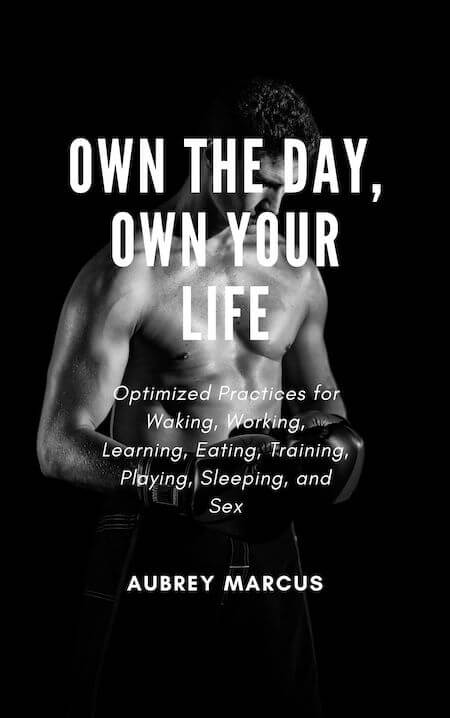
Own the Day, Own Your Life Book Summary
This Own the Day, Own Your Life Book Summary covers the key ideas, lessons, and takeaways in about 20 minutes.
Want the complete 20-minute summary?
- Full structured summary
- Video Summary
- Podcast Summary
- Key takeaways
- Exercises
- Quiz
- Highlights and notes
- Ask the book with AI
What is in the Own the Day, Own Your Life book summary?
Below is a preview of Sumizeit’s expert-written summary of Own the Day, Own Your Life by Aubrey Marcus. The full summary covers the book’s key ideas in text, audio, and video.
Let’s face it: we all want to be better. We want to be in better shape, having better sex, eating more vegetables, and just generally living better, more fulfilling lives. But how? In Own the Day, Own Your Life, author Aubrey Marcus breaks down the two key barriers to self-optimization: energy and time. Through simple routine and behavior changes, Marcus provides easy-to-follow steps for living a happier, healthier life.
Life Hacking 101: Hydration
If you are anything like me, you wake up in the morning, bleary-eyed, and stumble to your coffeemaker where you brew that first glorious cup. It’s a ritual, it’s a habit...and it’s actually hurting your health.
While sleeping, the average person loses approximately a pound of water by way of sweat. Therefore, when we wake up in the morning, we are often dehydrated and in immediate need of H20.
This biological desire for water is amplified if we worked out or had a few drinks the night before, especially in dry climates. Many times, we are actually dehydrated before we even go to bed. This is why you should always keep a glass of water on your nightstand!
Unlike water, when you drink coffee on an empty stomach, your body jumps into flight or fight mode. The stress hormones that emerge when the caffeine hits your bloodstream can actually lead to intense anxiety.
Instead, start your day with a glass of water, a drop of salt, and some fresh lemon. This way, you will rehydrate your body while also getting essential nutrients--potassium, calcium, and zinc.
Put that coffee down!
Sugar High
Lucky Charms. White bread. Packaged juice. What do these three items have in common? All are simple carbohydrates. This means that they contain refined sugar and hardly any fiber.
While you will often see these foods--and other simple carbohydrates--made out to be staples of the American diet, it is important to recognize the potentially detrimental impact they can have on your health.
Simple carbohydrates cause a quick, rapid rise in sugar levels. In response to this sudden increase, your body releases the hormone insulin. Insulin, while helpful to your sugar levels, can make you irritable and lethargic in the short-term as well as lead to major health issues in the long-term, such as heart disease and diabetes.
And simple carbohydrates hurt more than just your body--they can actually have a global impact.
A 2011 study in Israel found that prisoners were way more likely to be granted parole if the decision-makers had eaten a meal during the time that the sugar level in their bloodstream was rising. They were much less willing to free prisoners when their blood sugar levels were low. Imagine how many other major decisions are impacted by whether or not a key decision-maker has eaten lunch?!
Vitamins on the Side: The Importance of Supplements
If we were alive ten-thousand years ago, our lives would have been drastically different. For the worse, in many ways.
Want the complete 20-minute summary?
- Full structured summary
- Video Summary
- Podcast Summary
- Key takeaways
- Exercises
- Quiz
- Highlights and notes
- Ask the book with AI
Who should read Own the Day, Own Your Life?
Own the Day, Own Your Life is ideal for anyone seeking practical, evidence-based strategies to improve their daily performance and overall well-being. Whether you're struggling with energy levels, fitness goals, sleep quality, or simply want to optimize your daily routines, this book offers actionable insights regardless of your current lifestyle or experience level.
Why does Own the Day, Own Your Life matter?
In a world of overwhelming health information and complex wellness trends, Aubrey Marcus cuts through the noise with simple, science-backed daily practices that address the root causes of poor health: energy depletion and time mismanagement. By focusing on foundational habits like hydration, nutrition, sleep, and exercise, the book helps readers reclaim control over their lives and build sustainable improvements that compound over time.
What are the key themes in Own the Day, Own Your Life?
- Daily optimization through small, manageable habit changes
- Understanding the biological foundations of energy and performance
- The interconnection between physical health and emotional well-being
- Breaking free from ineffective goal-setting patterns
- Leveraging science-backed practices for lasting transformation
- Taking ownership of personal health decisions
What are the key lessons from the Own the Day, Own Your Life book summary?
Hydration Before Caffeine
Starting your day with water instead of coffee prevents the stress response that caffeine triggers on an empty stomach. Adding a pinch of salt and lemon replenishes electrolytes lost during sleep.
The Sugar-Decision Connection
Blood sugar levels directly impact decision-making ability and mood; consuming simple carbohydrates creates spikes that lead to irritability and poor judgments. Stable nutrition leads to better choices throughout your day.
Modern Diets Require Strategic Supplementation
Unlike our ancestors who ate nutrient-dense wild foods, modern agriculture has depleted the nutritional value of common foods. Targeted supplementation, particularly Vitamin D, addresses deficiencies affecting over a billion people globally.
Strategic Napping Enhances Cognitive Performance
Short naps improve motor skills, cognitive function, and immune system performance far more effectively than caffeine or energy drinks. Historical leaders from Churchill to Einstein recognized napping as essential to peak performance.
Exercise Goals Should Focus on Health, Not Appearance
Setting aesthetic goals leads to burnout when results plateau, but measuring success through how you feel creates sustainable motivation. Emotional health is as critical as physical transformation.
Sexual Health is Physical Health
Regular sexual activity offers measurable health benefits including improved immune function, pain tolerance, and mental health. Declining testosterone with age can be addressed through dietary choices like increasing healthy fats.
Testosterone Levels Respond to Nutritional Choices
Both men and women experience declining testosterone with age, but high-fat diets with foods like avocados and nuts can significantly boost these levels. Sexual dysfunction and low energy often stem from nutritional deficiency rather than age.
Energy and Time Are the Core Barriers to Optimization
Most people struggle not with knowledge of what to do but with having enough energy and time to do it. Addressing these two fundamental constraints unlocks the potential for all other improvements.
Your Morning Sets the Tone for Your Entire Day
The first decisions and actions you take upon waking determine your energy levels, mental clarity, and productivity for hours to come. Intentional morning rituals compound their benefits throughout the day.
Post-Lunch Slumps Are Preventable
The afternoon energy crash is a natural biological response, but napping addresses it more effectively than stimulants. Short, well-timed rest improves afternoon performance significantly.
Exercise is the Universal Health Intervention
Regular physical activity addresses weight loss, stress reduction, muscle strength, and mental health simultaneously. Despite knowing this, over 80 percent of Americans fail to exercise adequately due to poor goal-setting strategies.
Prevention Through Habits Beats Treatment Through Willpower
Building sustainable routines around hydration, nutrition, sleep, and movement prevents the need for dramatic interventions later. Small daily practices accumulate into major health transformations.
Vitamin D Deficiency is a Global Crisis
Over one billion people lack sufficient Vitamin D, leading to increased depression, disease vulnerability, and weight gain. Geography and modern indoor lifestyles make supplementation essential for most people.
Simple Carbohydrates Have Widespread Consequences
Beyond personal health impacts, refined sugar consumption affects decision-making at societal levels, influencing everything from criminal justice to business outcomes. Nutritional choices have ripple effects beyond individual wellness.
Total Human Optimization Requires Integrated Practices
Sustainable improvement comes from addressing multiple daily habits simultaneously—hydration, nutrition, movement, sleep, and intimacy—rather than focusing on single interventions. The system works through synergistic effects.
Biological Realities Trump Marketing Messages
Understanding how your body actually functions reveals that common health advice—like starting with coffee—contradicts your physiology. Scientific knowledge matters more than industry marketing and cultural habits.
Ownership Requires Understanding Your Body
Taking control of your health and life begins with understanding the biological mechanisms driving your behaviors and decisions. Knowledge of these systems empowers better daily choices.
Attractiveness Follows Health, Not Vice Versa
Pursuing aesthetic goals directly often fails, but pursuing genuine health creates the physical and emotional vitality that naturally attracts others. Health is the foundation of all other improvements.
Want the complete 20-minute summary?
- Full structured summary
- Video Summary
- Podcast Summary
- Key takeaways
- Exercises
- Quiz
- Highlights and notes
- Ask the book with AI
How can you apply ideas from Own the Day, Own Your Life?
- Place a glass of water with salt and lemon on your nightstand and drink it immediately upon waking before consuming any caffeine
- Replace sugary breakfast items with protein and fat-based meals to stabilize blood sugar and improve morning decision-making
- Add a Vitamin D supplement to your daily routine, particularly if you live in northern climates or spend limited time outdoors
- Schedule a 20-30 minute nap after lunch on days when you experience the post-lunch energy slump instead of reaching for caffeine
- Reframe your exercise goals from appearance-based outcomes to health and wellness metrics like endurance, strength, or how you feel
- Incorporate more healthy fats—avocados, nuts, olive oil—into your diet to support hormonal health and sexual function
- Audit your morning routine and eliminate any practices that contradict your body's natural physiological needs upon waking
What common mistakes do readers make with Own the Day, Own Your Life?
- Drinking coffee immediately upon waking on an empty stomach, which triggers unnecessary stress hormones instead of replenishing hydration
- Setting exercise goals based on appearance changes rather than health improvements, leading to burnout when aesthetic results plateau
- Consuming simple carbohydrates and refined sugars throughout the day without recognizing how they impair decision-making and mood
- Fighting natural afternoon energy dips with stimulants instead of allowing the body to rest through strategic napping
- Ignoring nutritional gaps in modern diets and assuming food alone provides adequate micronutrients
Sumizeit Exercises Apply what you've learned
Turn ideas from Own the Day, Own Your Life into action with a short guided reflection: identify the biggest takeaway, connect it to your life, and commit to one step you can take in the next 24 hours.
What is the expert analysis of Own the Day, Own Your Life?
Overview
Own the Day, Own Your Life is a self-optimization guide authored by Aubrey Marcus, a figure known for his interdisciplinary approach combining philosophy, holistic medicine, and motivational entrepreneurship. Marcus’s background in Philosophy and Classics, coupled with his leadership in the wellness industry through his company Onnit, positions him uniquely to address the multifaceted nature of human performance. This book’s significance lies in its accessible synthesis of lifestyle practices aimed at enhancing daily energy and time management, making it a contemporary manual for readers seeking practical improvements in health, productivity, and well-being.
Core Thesis
The central argument Marcus advances is that optimizing one’s life hinges on mastering the fundamental units of energy and time through deliberate, manageable daily habits. He posits that by addressing basic physiological and psychological needs—hydration, nutrition, exercise, rest, and hormonal balance—individuals can reclaim control over their health and happiness. The book’s premise is that small, evidence-informed “hacks” integrated into everyday routines cumulatively lead to profound improvements in quality of life.
Strengths
- Practicality and Accessibility: Marcus distills complex health science into straightforward, actionable advice that demystifies self-care without overwhelming the reader.
- Holistic Approach: The book integrates physical health, mental clarity, and emotional well-being, reflecting a comprehensive understanding of human optimization.
- Engaging Style: Marcus’s conversational tone and use of relatable anecdotes make the content approachable and motivating.
- Evidence-Based Insights: While not a dense academic treatise, the book references scientific studies and historical examples to support its recommendations, enhancing credibility.
- Emphasis on Sustainable Habits: The focus on incremental changes rather than radical overhauls encourages long-term adherence and realistic goal-setting.
Critiques & Counterarguments
- Oversimplification of Complex Issues: Some recommendations, such as the blanket endorsement of high-fat diets to boost testosterone, may not account for individual variability or emerging nutritional debates.
- Limited Depth on Underlying Mechanisms: The book often prioritizes “what” to do over “why” or “how” at a biochemical or psychological level, which may leave readers seeking deeper understanding wanting.
- Potential Overreliance on Anecdotal Evidence: The invocation of famous historical figures endorsing naps, while compelling, does not substitute for rigorous scientific consensus on sleep hygiene.
- Competing Research: For example, the role of simple carbohydrates in behavior and decision-making is an evolving field; some studies suggest that context, individual metabolism, and overall diet quality modulate these effects, complicating the narrative of sugar as a universal detriment.
- Philosophical and Cultural Variability: Marcus’s emphasis on optimization may clash with alternative schools of thought that prioritize acceptance, mindfulness, or socio-cultural determinants of health over individual control and productivity.
Who Should Read This
This book is ideally suited for readers who are proactive about self-improvement and open to integrating scientific insights with practical lifestyle changes. It appeals to individuals interested in holistic health, biohacking, and time management, particularly those who appreciate a blend of philosophical reflection and actionable guidance. Professionals seeking to enhance daily performance, wellness enthusiasts, and anyone feeling overwhelmed by modern life’s demands will find Marcus’s blueprint both inspiring and feasible. However, readers with a preference for deeply technical or clinical health literature may find the treatment somewhat introductory.
Frequently asked questions about the Own the Day, Own Your Life book summary
What is Own the Day, Own Your Life about?
Own the Day, Own Your Life by Aubrey Marcus provides practical, science-backed strategies for optimizing daily habits across eight life areas: waking, working, learning, eating, training, playing, sleeping, and sex. The book addresses two core barriers to self-improvement—energy and time—through simple routine changes that compound into significant health and wellness transformations.
Who should read Own the Day, Own Your Life?
This book is ideal for anyone wanting practical improvements to their daily performance, energy levels, fitness, sleep quality, or overall well-being. It appeals to people seeking evidence-based strategies rather than complex wellness programs, regardless of their current lifestyle or health status.
What are the main takeaways from Own the Day, Own Your Life?
Key takeaways include: start your day with hydration rather than caffeine, avoid simple carbohydrates that destabilize blood sugar and decision-making, supplement strategically for modern nutritional gaps, use napping to combat afternoon energy crashes, set exercise goals based on health rather than appearance, and increase healthy fats to support hormonal health. These foundational practices create compound benefits across all life areas.
Why does Aubrey Marcus recommend drinking water before coffee?
During sleep, your body loses approximately a pound of water through sweat, creating a dehydrated state upon waking. Drinking coffee on an empty stomach triggers a stress response, while water with salt and lemon rehydrates your system and replenishes lost electrolytes more effectively than caffeine stimulation.
How can taking naps improve productivity?
Short naps enhance motor skills, cognitive function, logical reasoning, and immune system performance more effectively than caffeine. Strategic napping addresses the natural post-lunch energy dip that most people experience, preventing the afternoon productivity crash without the side effects of stimulants.
What role does Vitamin D play in Own the Day, Own Your Life?
Aubrey Marcus highlights Vitamin D supplementation as addressing a critical nutritional gap affecting over one billion people worldwide. Vitamin D reduces depression risk, protects against disease, supports weight loss, and is difficult to obtain naturally given modern indoor lifestyles and geographic limitations.
How does blood sugar affect decision-making according to Own the Day, Own Your Life?
The book cites research showing that decision-makers with elevated blood sugar levels are significantly more likely to make favorable choices, while those with low blood sugar become less willing to take positive actions. This demonstrates how consuming simple carbohydrates doesn't just affect personal health but influences major decisions affecting families, businesses, and justice systems.
What does Aubrey Marcus say about setting exercise goals?
Marcus recommends focusing exercise goals on health and how you feel rather than aesthetic outcomes like changing specific body parts. Appearance-based goals often lead to burnout when results plateau, while health-focused metrics create sustainable motivation and meaningful long-term improvement.
About Sumizeit
Sumizeit is a profitable Scomy LLC company based in Miami, Florida. It has been helping readers learn from nonfiction books for 7 years with expert-written summaries in text, audio, podcast, and video.
Want the complete 20-minute summary?
- Full structured summary
- Video Summary
- Podcast Summary
- Key takeaways
- Exercises
- Quiz
- Highlights and notes
- Ask the book with AI
Here's why readers love Sumizeit
Join thousands of learners getting smarter every day
"Great experience. Detailed summaries. Loved the gamification feature. Makes learning fun. Good customer service. I recommend Sumizeit to anyone. You'll learn a lot."
"I always felt busy but still wanting to keep up with the book discussion in my friend group. This was a great supplement to help me keep reading the books I find fun while keeping up with important books."
"I love this website. Instead of scrolling social media, I find myself learning a lot. I use it everyday. I recommend this app for anyone who is too busy and wants to get up to speed with their favorite books."
Own the Day, Own Your Life Book Summary PDF
Looking for a Own the Day, Own Your Life Book Summary PDF you can save and revisit offline? Our Own the Day, Own Your Life Book Summary PDF captures the book’s core ideas in a clean, printable format — the key frameworks, takeaways, and structure without the fluff. Download the Own the Day, Own Your Life Book Summary PDF when you want a reference you can annotate, share with your team, or review on the go. Get your Own the Day, Own Your Life Book Summary PDF from the download page below.
Download Own the Day, Own Your Life Book Summary PDFPeople also liked these summaries
Readers who explored Own the Day, Own Your Life often enjoyed these titles next.

Want the complete 20-minute summary?
- Full structured summary
- Video Summary
- Podcast Summary
- Key takeaways
- Exercises
- Quiz
- Highlights and notes
- Ask the book with AI
Featured Book Titles
Popular Book Summaries at sumizeit, leading book summary app