


As an Amazon Associate, Sumizeit earns from qualifying purchases.
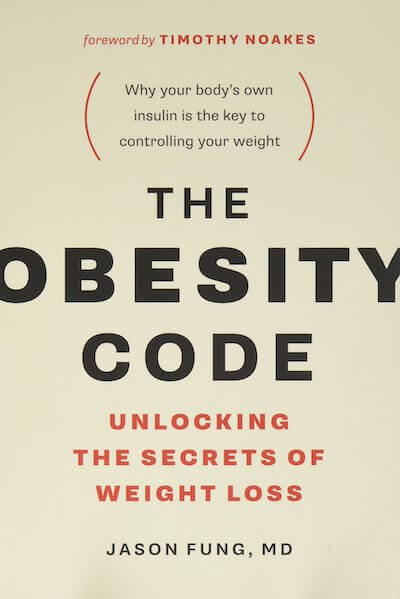
The Obesity Code Book Summary
This The Obesity Code Book Summary covers the key ideas, lessons, and takeaways in about 20 minutes.
Helps with these goals
Want the complete 20-minute summary?
- Full structured summary
- Video Summary
- Podcast Summary
- Audio summary
- Key takeaways
- Exercises
- Quiz
- Highlights and notes
- Ask the book with AI
What is in the The Obesity Code book summary?
Below is a preview of Sumizeit’s expert-written summary of The Obesity Code by Dr. Jason Fung. The full summary covers the book’s key ideas in text, audio, and video.
The more calories you consume, the more likely you are to gain weight. This idea about weight gain is well known, adopted by many, and… incorrect? In fact, it's just one of many myths floating around about weight loss. The Obesity code digs into this myth and many more: imparting various lessons about weight gain, weight loss, and what you can eat to feel healthier and improve your quality of life.
Myth: Social environment has a huge impact on weight
Where you are has a lot to do with what kind of food you have access to, so it should have a huge impact on how much you weigh, right? Research done by Albert J. Stunkard indicates that this might not be the case. He researched Denmark families with adopted kids, and discovered that the weight of parents and access to junk food weren’t indicators of obesity. In fact, the most important factor which determined whether or not a child would be obese was the weight of their biological parents. Obese parents were more likely to produce obese children. According to Stunkard’s research, genes account for roughly 70% of the likelihood that someone will become obese.
Myth: Weight loss is about cutting calories
Though rates of obesity in America have increased, according to doctor U. Ladabaum in the American Journal of medicine, average calorie intake hasn’t risen. Obesity has risen from 1990-2010 at a rate of roughly .37 percent a year. If calorie intake isn’t increasing, what gives? On the topic of calories, it's important to understand that calories don’t immediately become fat. Fat production is one of the many things your body does with the calories you consume, including keeping you warm and fueling your brain. Since calories don’t go directly to fat, and there hasn’t been an eating increase that’s causing obesity, there’s another factor that is contributing to obesity: the way people’s bodies use energy. Some people’s bodies use calories for fat, while others develop bigger muscles or bones. If you’re on of the individuals whose body uses calories for fat, you will gain weight eating the same amount as someone who’s body uses them differently.
Myth: Reducing calories is the best way to lose weight
It turns out that when you cut calories, your body actually slows down your metabolism. Think about it like this: if you cut calories for a long period of time, and your metabolism didn’t slow down, you would die! Your body’s natural defense is to slow things down to keep you alive. Great for survival, not so great for weight loss. This finding was produced in a study done at the Carnegie Institute in Washington. When participants were put on a diet that significantly cut calories, their bodies changed: but not in a good way. People experienced no weight loss, but their energy fell significantly.
Want the complete 20-minute summary?
- Full structured summary
- Video Summary
- Podcast Summary
- Audio summary
- Key takeaways
- Exercises
- Quiz
- Highlights and notes
- Ask the book with AI
Who should read The Obesity Code?
The Obesity Code is for anyone struggling with weight loss despite following conventional diet advice, as well as those curious about why traditional calorie-counting approaches often fail. It's especially valuable for people with insulin resistance, those managing type 2 diabetes, and individuals seeking to understand the hormonal science behind weight gain rather than relying on outdated nutritional myths.
Why does The Obesity Code matter?
In an era of rising obesity rates despite increased awareness of nutrition, The Obesity Code challenges the foundational assumptions behind mainstream weight-loss strategies and reveals why millions fail at dieting. Dr. Fung's hormone-focused approach offers a scientifically grounded alternative that addresses the root cause of weight gain rather than treating the symptom, making it increasingly relevant as metabolic diseases continue to proliferate globally.
What are the key themes in The Obesity Code?
- Insulin resistance and hormonal regulation of weight
- The flawed logic of calorie restriction
- Genetic predisposition versus environmental factors
- The role of sugar and refined carbohydrates in obesity
- Intermittent fasting as a metabolic reset
- Socioeconomic barriers to healthy eating
- Distinguishing between harmful and beneficial dietary fats
What are the key lessons from the The Obesity Code book summary?
Calories Don't Tell the Whole Story
Obesity rates have risen despite stable calorie intake, proving that simple calorie mathematics doesn't explain weight gain. Your body's energy expenditure and nutrient partitioning matter far more than calorie quantity alone.
Genetics Account for Most Obesity Risk
Genetic factors account for approximately 70% of obesity likelihood, meaning your biological parents' weight is a stronger predictor of your weight than your food environment or willpower.
Calorie Restriction Triggers Metabolic Slowdown
When you cut calories severely, your body responds by slowing metabolism as a survival mechanism, leading to reduced energy and minimal weight loss rather than the expected fat loss.
Insulin Dysfunction, Not Overeating, Drives Obesity
High insulin levels prevent the body from feeling full by suppressing leptin, creating an endless hunger cycle where obese individuals genuinely cannot stop eating regardless of calorie intake.
Sugar Disrupts Satiety Signals
Fructose in sugar and high fructose corn syrup can only be processed by the liver, causing insulin resistance specifically in that organ and converting excess fructose directly into fat.
Constant Snacking Perpetuates Insulin Elevation
Eating between meals keeps insulin levels consistently elevated, preventing the hormonal reset needed to reverse insulin resistance and maintain stable hunger signals.
Intermittent Fasting Allows Metabolic Recovery
Periods of 4-5 hours or more between meals allow insulin levels to drop completely, giving your body a chance to restore insulin sensitivity and normalize hunger hormones.
Insulin Resistance Creates a Vicious Eating Cycle
When cells become resistant to insulin, they fail to absorb glucose effectively, leaving people nutrient-starved at a cellular level and driving continued overeating as the body searches for satisfaction.
Poverty and Obesity Share a Nutritional Root Cause
Government subsidies make refined carbohydrates and sugar the cheapest foods available, trapping low-income populations in insulin-spiking diets while healthier options remain financially inaccessible.
Dietary Fat Has Been Wrongly Demonized
Research linking dietary fat to high cholesterol lacks scientific support; the real culprit is trans fats found in processed oils and margarine, which genuinely harm cholesterol profiles.
Metabolism Isn't One-Size-Fits-All
Different bodies partition calories differently—some use calories to build muscle or bone while others store them as fat, explaining why identical diets produce different results in different people.
Leptin Resistance Explains Persistent Hunger
Obese individuals experience abnormally low leptin after eating instead of the satiety signal that occurs in people without obesity, creating a biological hunger that willpower cannot overcome.
High Fructose Corn Syrup Is Worse Than Sugar
Because it contains a more concentrated form of fructose, high fructose corn syrup is even more likely to cause liver insulin resistance and fatty liver disease than regular sugar.
Dieting Difficulty Reflects Biology, Not Character
The intense difficulty people face when dieting isn't a personal failure but a natural physiological response to disrupted insulin and leptin signaling that makes hunger unbearable.
Coffee Offers Unexpected Health Benefits
Rich in antioxidants and beneficial minerals, coffee consumption is linked to reduced risk of diabetes, Alzheimer's, and Parkinson's disease, making it one of the healthiest beverages available.
Traditional Calorie-Counting Ignores Hormonal Reality
The calorie-in-calorie-out model fails to account for how hormones like insulin regulate where your body stores or burns energy, rendering basic calorie math unreliable for weight management.
Reducing Calories Without Addressing Insulin Fails
Cutting calories in the presence of high insulin levels prevents weight loss while causing energy depletion, fatigue, and cognitive dysfunction—a metabolically counterproductive approach.
Fasting Periods Reset Insulin Sensitivity
Strategic fasting allows insulin levels to drop to baseline, gradually restoring your cells' ability to respond to insulin signals and normalizing hunger and satiety hormones.
Environmental Factors Matter Less Than Expected
Access to junk food and social environment have surprisingly little correlation with obesity compared to genetic factors and individual insulin regulation, challenging environmental determinism.
Sugar Elimination Is the Highest-Impact Intervention
Removing sugar and refined carbohydrates is the single most effective dietary change for reducing obesity risk, as these foods directly spike insulin and disrupt the entire metabolic signaling system.
Want the complete 20-minute summary?
- Full structured summary
- Video Summary
- Podcast Summary
- Audio summary
- Key takeaways
- Exercises
- Quiz
- Highlights and notes
- Ask the book with AI
How can you apply ideas from The Obesity Code?
- Implement intermittent fasting with 4-5 hour gaps between meals to allow insulin levels to fully reset and restore insulin sensitivity
- Eliminate sugar and high fructose corn syrup from your diet as the primary intervention, rather than focusing on calorie reduction
- Replace frequent snacking with structured meal times to prevent constant insulin elevation that perpetuates hunger and fat storage
- Choose whole foods and healthy fats over low-fat processed alternatives, avoiding only trans fats found in margarine and certain vegetable oils
- Incorporate coffee consumption as a simple, evidence-based habit to support metabolic health and reduce disease risk
- Evaluate your family history of weight and metabolism rather than assuming willpower or environment solely determines your weight trajectory
- Focus on improving insulin sensitivity through dietary choices rather than pursuing aggressive calorie deficits that trigger metabolic adaptation
What common mistakes do readers make with The Obesity Code?
- Assuming calorie counting is the primary lever for weight loss, ignoring the hormonal regulation of hunger and energy partitioning
- Adopting extreme calorie restriction that triggers metabolic slowdown, causing fatigue and stalled weight loss despite reduced eating
- Continuing to snack throughout the day, preventing insulin levels from dropping and perpetuating insulin resistance and constant hunger
- Believing that willpower or character determines dieting success, rather than recognizing disrupted insulin and leptin signaling as the real barrier
Sumizeit Exercises Apply what you've learned
Turn ideas from The Obesity Code into action with a short guided reflection: identify the biggest takeaway, connect it to your life, and commit to one step you can take in the next 24 hours.
What is the expert analysis of The Obesity Code?
Overview
The Obesity Code is authored by Dr. Jason Fung, a Canadian nephrologist renowned for his expertise in intermittent fasting and low-carbohydrate diets, particularly in the context of type 2 diabetes management. Fung challenges conventional wisdom surrounding obesity and weight loss, offering a paradigm shift that moves beyond simplistic calorie-counting models. His work is significant for its integration of endocrinology, nutrition science, and clinical experience, positioning it as a provocative contribution to the ongoing discourse on obesity, public health, and metabolic disease.
Core Thesis
At the heart of The Obesity Code lies the argument that obesity is not merely a consequence of caloric excess but is fundamentally driven by hormonal imbalances—specifically elevated insulin levels. Fung contends that insulin resistance, fueled by dietary patterns rich in refined carbohydrates and sugars, disrupts the body's natural regulation of hunger and fat storage. This hormonal dysregulation, rather than simple energy imbalance, is the primary mechanism behind weight gain and the difficulty many face in losing weight. The book advocates for strategies such as intermittent fasting and reduced sugar intake to modulate insulin and restore metabolic health.
Strengths
- Challenging Prevailing Myths: Fung systematically deconstructs widely held beliefs about obesity, such as the primacy of calorie counting and the demonization of dietary fats, encouraging readers to reconsider entrenched assumptions.
- Integration of Hormonal Science: The focus on insulin as a central player in obesity provides a nuanced biochemical framework that aligns with emerging endocrinological research.
- Practical Recommendations: The endorsement of intermittent fasting and dietary adjustments offers actionable guidance grounded in both clinical experience and scientific rationale.
- Accessible Communication: Despite dealing with complex physiological processes, Fung presents his arguments in an engaging and understandable manner suitable for a broad audience.
Critiques & Counterarguments
- Oversimplification of Obesity Etiology: While insulin is undeniably important, obesity is multifactorial, involving genetics, environment, psychological factors, and socioeconomics. Fung’s emphasis on insulin risks minimizing these complex interactions.
- Selective Use of Evidence: Some critics note that Fung occasionally leans heavily on specific studies or anecdotal clinical observations without sufficiently engaging with contradictory data or the broader scientific consensus.
- Limited Discussion of Long-term Sustainability: The book advocates intermittent fasting and low-carb diets but provides less insight into the long-term adherence challenges and potential adverse effects for diverse populations.
- Competing Schools of Thought: Alternative models, such as the energy balance theory supported by many nutrition scientists, emphasize that total caloric intake and expenditure remain critical. Additionally, behavioral and psychological frameworks highlight the role of food environment and mental health in obesity, which Fung’s hormonal focus may underappreciate.
- Real-world Evidence Variability: Population-level data sometimes show mixed results regarding the efficacy of low-carb or fasting interventions on obesity prevalence, suggesting that no single approach universally applies.
Who Should Read This
The Obesity Code is ideally suited for readers with a foundational interest in nutrition science, endocrinology, or metabolic health who are open to questioning conventional dietary dogmas. It appeals to healthcare professionals seeking alternative perspectives on obesity treatment, as well as informed laypersons eager to understand the hormonal underpinnings of weight regulation. However, readers should approach the book as a thought-provoking complement rather than a definitive manual, considering it alongside broader scientific literature and individualized medical advice.
Frequently asked questions about the The Obesity Code book summary
What is The Obesity Code about?
The Obesity Code by Dr. Jason Fung challenges conventional weight-loss myths and explains obesity through the lens of hormonal dysfunction, particularly insulin dysregulation, rather than simple calorie mathematics. The book presents scientific evidence that insulin resistance and elevated insulin levels are the primary drivers of obesity, and shows why traditional calorie-restriction diets fail for most people.
Who should read The Obesity Code?
Anyone struggling with weight loss despite following conventional diet advice, people with insulin resistance or type 2 diabetes, and those curious about the scientific basis of weight gain should read The Obesity Code. It's particularly valuable for individuals who have failed at multiple diets and want to understand the hormonal mechanisms behind their weight struggles.
What are the main takeaways from The Obesity Code?
The key takeaways include: genetics account for about 70% of obesity risk, calorie restriction doesn't work because it triggers metabolic slowdown, high insulin levels—not overeating—cause obesity by disrupting satiety signals, sugar and refined carbohydrates are the primary dietary culprits, and intermittent fasting with 4-5 hour eating gaps can reset insulin sensitivity. Dr. Fung also emphasizes that dieting difficulty reflects biological dysfunction rather than personal failure.
Does The Obesity Code support intermittent fasting?
Yes, The Obesity Code strongly supports intermittent fasting as an effective approach to weight loss. Dr. Fung explains that periods of fasting lasting 4-5 hours or longer between meals allow insulin levels to drop completely, enabling the body to restore insulin sensitivity and normalize hunger hormones, making it a practical alternative to calorie restriction.
What does The Obesity Code say about sugar and carbohydrates?
The Obesity Code identifies sugar and high fructose corn syrup as major culprits in obesity because they spike insulin levels and cause liver insulin resistance. Fructose specifically can only be processed by the liver, where it is converted directly into fat when insulin resistance develops, making sugar elimination the single highest-impact dietary intervention.
Does The Obesity Code recommend a specific diet?
Rather than prescribing a single diet, The Obesity Code focuses on dietary principles: eliminate sugar and refined carbohydrates, implement intermittent fasting to allow insulin to reset, avoid trans fats, and choose whole foods over processed alternatives. The emphasis is on restoring hormonal balance, particularly insulin sensitivity, rather than following a rigid meal plan.
Can I lose weight if I have a family history of obesity?
Yes, according to The Obesity Code, though genetics account for 70% of obesity risk, the remaining 30% is within your control through dietary and lifestyle choices. Understanding your genetic predisposition helps you recognize that weight management may require more deliberate hormonal intervention than it does for others, but it remains achievable through insulin-focused strategies.
About Sumizeit
Sumizeit is a profitable Scomy LLC company based in Miami, Florida. It has been helping readers learn from nonfiction books for 7 years with expert-written summaries in text, audio, podcast, and video.
Want the complete 20-minute summary?
- Full structured summary
- Video Summary
- Podcast Summary
- Audio summary
- Key takeaways
- Exercises
- Quiz
- Highlights and notes
- Ask the book with AI
Here's why readers love Sumizeit
Join thousands of learners getting smarter every day
"Great experience. Detailed summaries. Loved the gamification feature. Makes learning fun. Good customer service. I recommend Sumizeit to anyone. You'll learn a lot."
"I always felt busy but still wanting to keep up with the book discussion in my friend group. This was a great supplement to help me keep reading the books I find fun while keeping up with important books."
"I love this website. Instead of scrolling social media, I find myself learning a lot. I use it everyday. I recommend this app for anyone who is too busy and wants to get up to speed with their favorite books."
The Obesity Code Book Summary PDF
Looking for a The Obesity Code Book Summary PDF you can save and revisit offline? Our The Obesity Code Book Summary PDF captures the book’s core ideas in a clean, printable format — the key frameworks, takeaways, and structure without the fluff. Download the The Obesity Code Book Summary PDF when you want a reference you can annotate, share with your team, or review on the go. Get your The Obesity Code Book Summary PDF from the download page below.
Download The Obesity Code Book Summary PDFPeople also liked these summaries
Readers who explored The Obesity Code often enjoyed these titles next.
Want the complete 20-minute summary?
- Full structured summary
- Video Summary
- Podcast Summary
- Audio summary
- Key takeaways
- Exercises
- Quiz
- Highlights and notes
- Ask the book with AI
Featured Book Titles
Popular Book Summaries at sumizeit, leading book summary app